

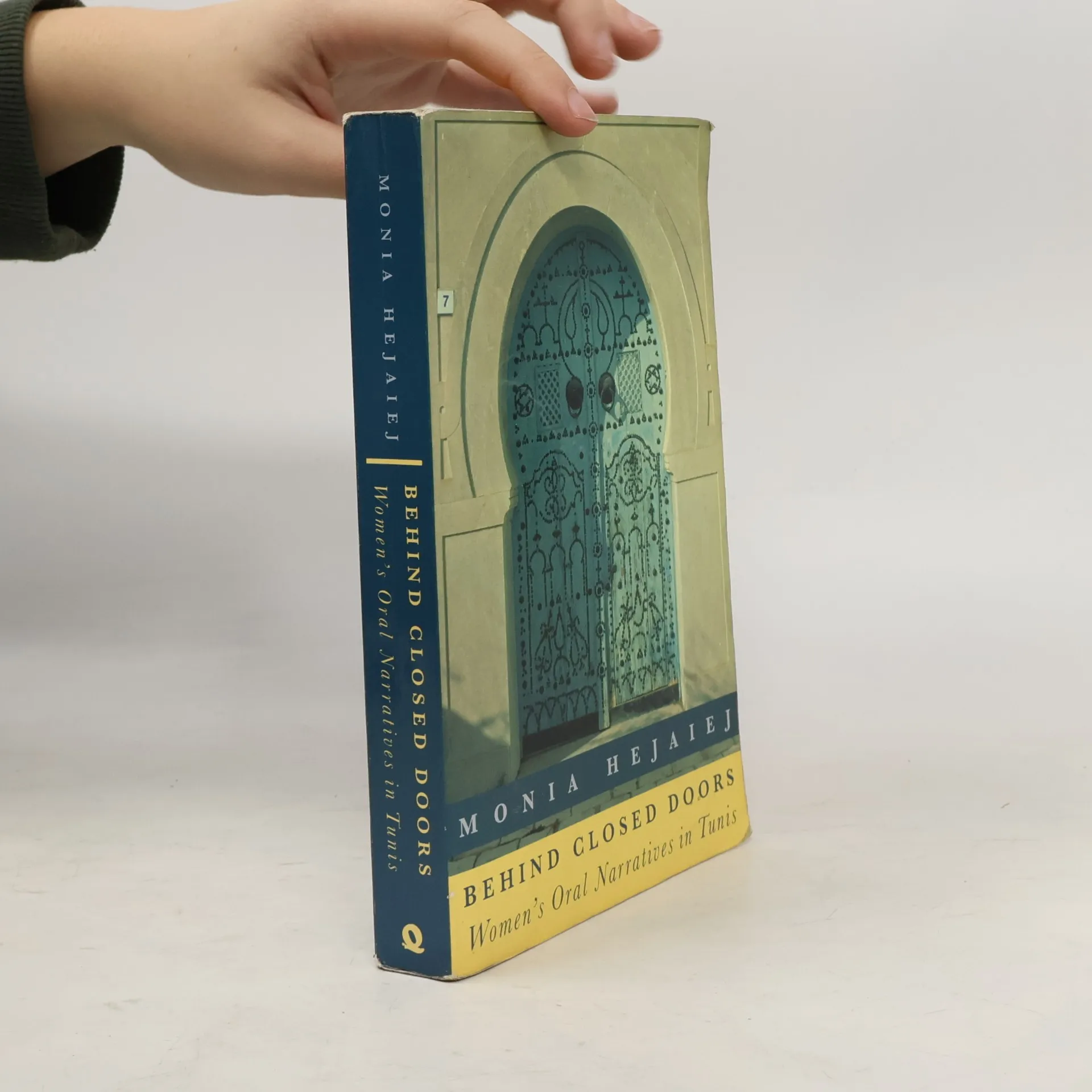


Behind Closed Doors
Women's Oral Narratives in Tunis
Autori
Viac o knihe
Tunis has a long history of city life reaching back to ancient times. The Arabic language is firmly rooted among its inhabitants and most embrace the morals and culture of Islam. Behind Closed Doors presents forty-seven tales told by three Beldi women, members of a historic and highly civilized community, the city's traditional elite. Tale-telling is important to all Beldi women, and the book examines its role in their shared world and its significance in the lives of the three tellers. Tales are told at communal gatherings to share and pass on Beldi women's secret lore of love, marriage and destiny. Ghaya Sa'diyya and Kheira tell stories which echo their life experience and have deep meanings for them. Their tales reflect accepted moral codes, and yet many depict attitudes, relationships, and practices that contradict established norms. Whereas Kheira presents a conservative and moralistic view of the role of women, Sa'diyya's heroines are alive with sexual energy, and Ghaya's stories also offer racy and rebellious comments on a woman's lot. These contradictory visions offer a kaleidoscopic view of the position of women in the rich life of a historic North African city.
Nákup knihy
Behind Closed Doors, Monia Hejaiej
- Jazyk

- Rok vydania
- 1996
- Väzba
- (mäkká),
- Stav knihy
- Dobrá
- Cena
- 18,99 €
Doručenie
Platobné metódy
Nikto zatiaľ neohodnotil.
- Titul
- Behind Closed Doors
- Podtitul
- Women's Oral Narratives in Tunis
- Jazyk
- anglicky
- Autori
- Monia Hejaiej
- Vydavateľ
- Quartet Books
- Rok vydania
- 1996
- Väzba
- mäkká
- Počet strán
- 320
- ISBN10
- 0704302314
- ISBN13
- 9780704302310
- Série
- Štítky
- Historické téma, Poviedky, Príbehy, Lokálna dejiny, Tunisko
- Anotácia
- Tunis has a long history of city life reaching back to ancient times. The Arabic language is firmly rooted among its inhabitants and most embrace the morals and culture of Islam. Behind Closed Doors presents forty-seven tales told by three Beldi women, members of a historic and highly civilized community, the city's traditional elite. Tale-telling is important to all Beldi women, and the book examines its role in their shared world and its significance in the lives of the three tellers. Tales are told at communal gatherings to share and pass on Beldi women's secret lore of love, marriage and destiny. Ghaya Sa'diyya and Kheira tell stories which echo their life experience and have deep meanings for them. Their tales reflect accepted moral codes, and yet many depict attitudes, relationships, and practices that contradict established norms. Whereas Kheira presents a conservative and moralistic view of the role of women, Sa'diyya's heroines are alive with sexual energy, and Ghaya's stories also offer racy and rebellious comments on a woman's lot. These contradictory visions offer a kaleidoscopic view of the position of women in the rich life of a historic North African city.