

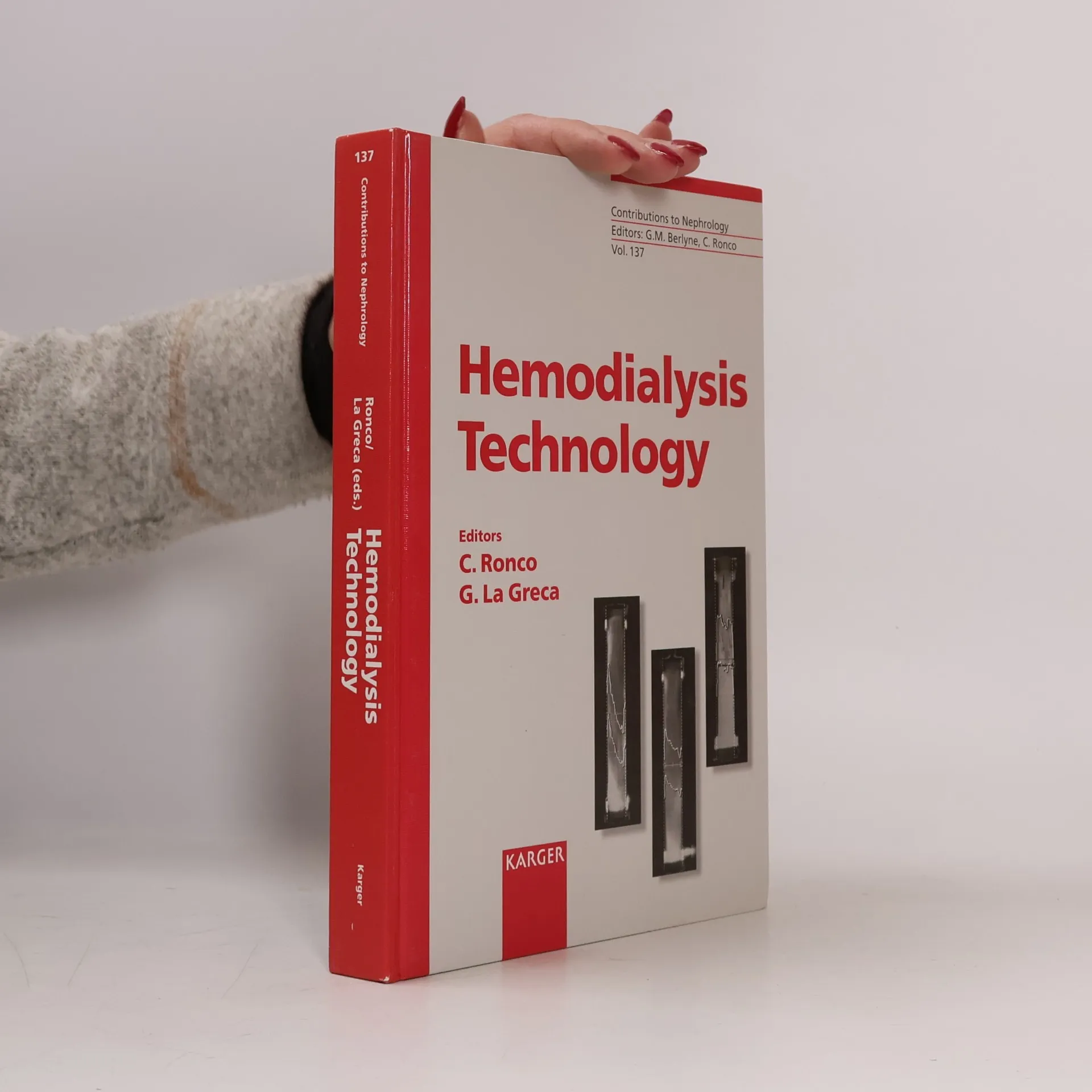

Contributions to Nephrology - 137: Hemodialysis Technology
Viac o knihe
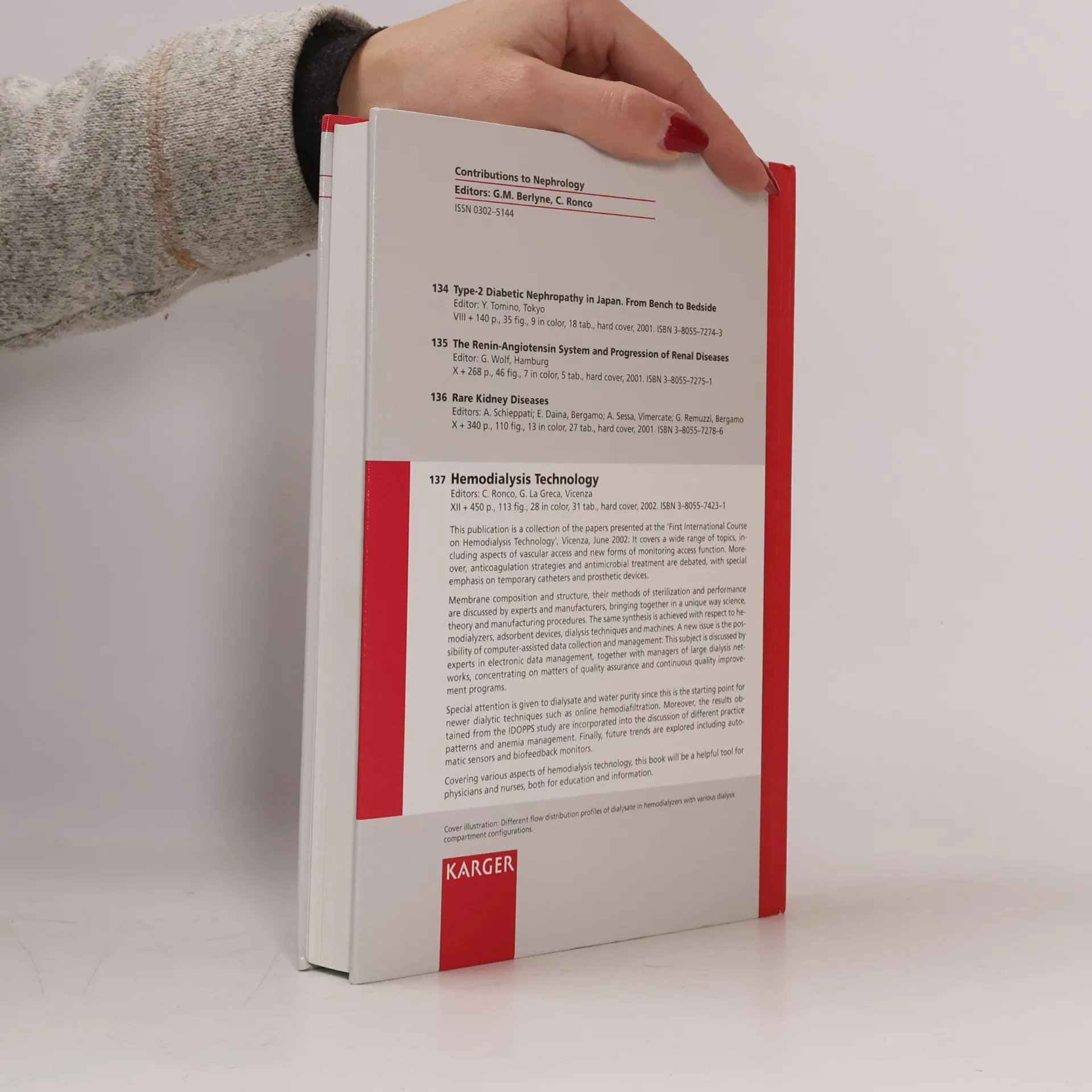
This publication compiles papers from the 'First International Course on Hemodialysis Technology' held in Vicenza in June 2002. It addresses a broad spectrum of topics, including vascular access, monitoring access function, anticoagulation strategies, and antimicrobial treatments, particularly concerning temporary catheters and prosthetic devices. Experts and manufacturers discuss membrane composition, structure, sterilization methods, and performance, merging science, theory, and manufacturing processes. Similar integration occurs with hemodialyzers, adsorbent devices, dialysis techniques, and machines. A notable focus is on computer-assisted data collection and management, explored by specialists in electronic data management and large dialysis network managers, emphasizing quality assurance and continuous improvement programs. The purity of dialysate and water is highlighted as crucial for advanced techniques like online hemodiafiltration. Additionally, findings from the IDOPPS study inform discussions on practice patterns and anemia management. Future trends, including automatic sensors and biofeedback monitors, are also examined. This comprehensive overview of hemodialysis technology serves as a valuable resource for physicians and nurses for both education and information.
Nákup knihy
Contributions to Nephrology - 137: Hemodialysis Technology, Claudio Ronco, G.M. Berlyne, Giuseppe La Greca
- Jazyk

- Rok vydania
- 2002
- Väzba
- (pevná),
- Stav knihy
- Poškodená
- Cena
- 38,49 €
Doručenie
Platobné metódy
Nikto zatiaľ neohodnotil.
- Titul
- Contributions to Nephrology - 137: Hemodialysis Technology
- Jazyk
- anglicky
- Vydavateľ
- Karger
- Rok vydania
- 2002
- Väzba
- pevná
- Počet strán
- 449
- ISBN10
- 3805574231
- ISBN13
- 9783805574235
- Série
- Kategórie
- Štítky
- Zdravie & Lekárstvo, Medicína, Odborná literatúra, Západná Európa, Spracovanie dát, Nefrológia, Dialýza
- Anotácia
- This publication compiles papers from the 'First International Course on Hemodialysis Technology' held in Vicenza in June 2002. It addresses a broad spectrum of topics, including vascular access, monitoring access function, anticoagulation strategies, and antimicrobial treatments, particularly concerning temporary catheters and prosthetic devices. Experts and manufacturers discuss membrane composition, structure, sterilization methods, and performance, merging science, theory, and manufacturing processes. Similar integration occurs with hemodialyzers, adsorbent devices, dialysis techniques, and machines. A notable focus is on computer-assisted data collection and management, explored by specialists in electronic data management and large dialysis network managers, emphasizing quality assurance and continuous improvement programs. The purity of dialysate and water is highlighted as crucial for advanced techniques like online hemodiafiltration. Additionally, findings from the IDOPPS study inform discussions on practice patterns and anemia management. Future trends, including automatic sensors and biofeedback monitors, are also examined. This comprehensive overview of hemodialysis technology serves as a valuable resource for physicians and nurses for both education and information.