

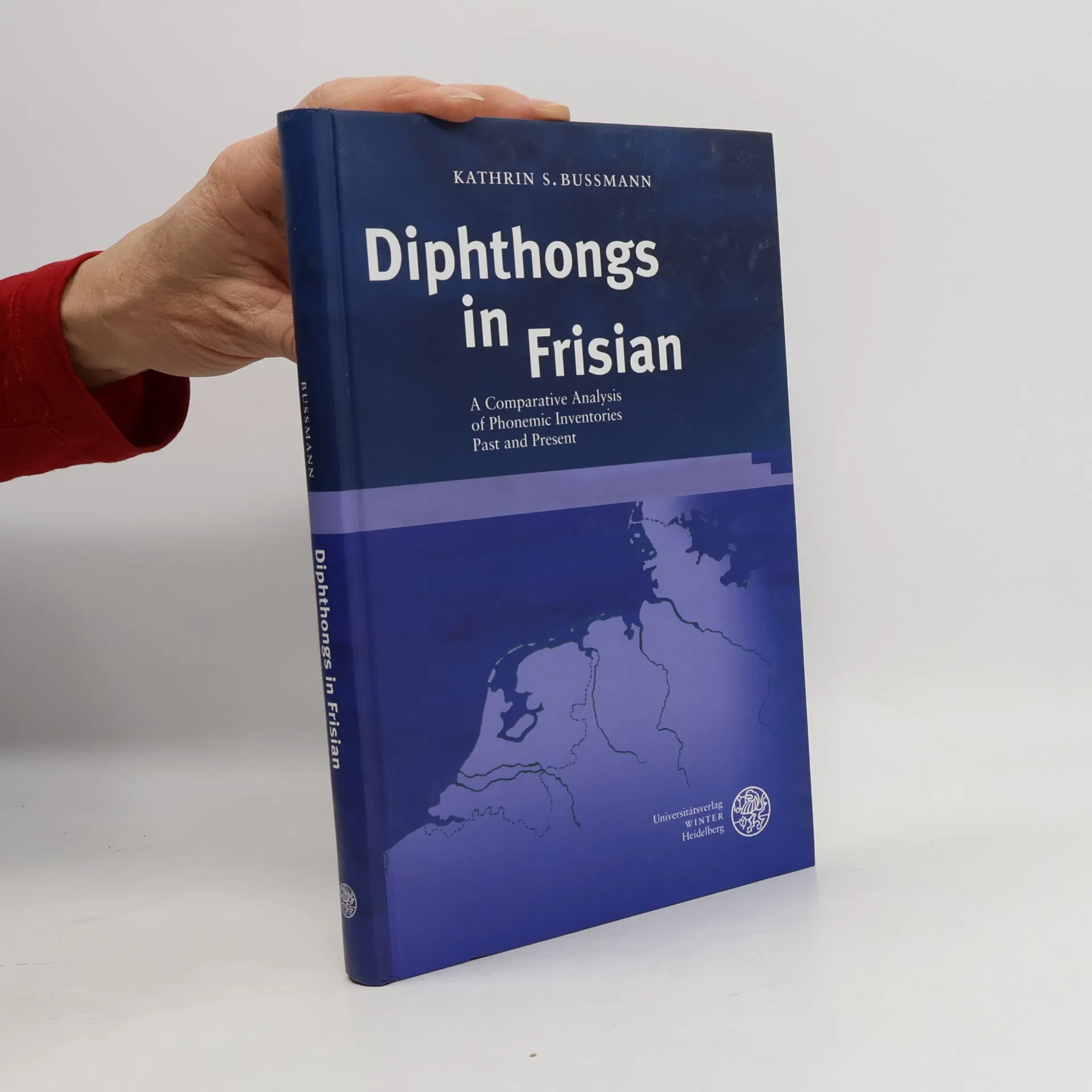
Diphthongs in Frisian
A Comparative Analysis of Phonemic Inventories Past and Present
Autori
Viac o knihe
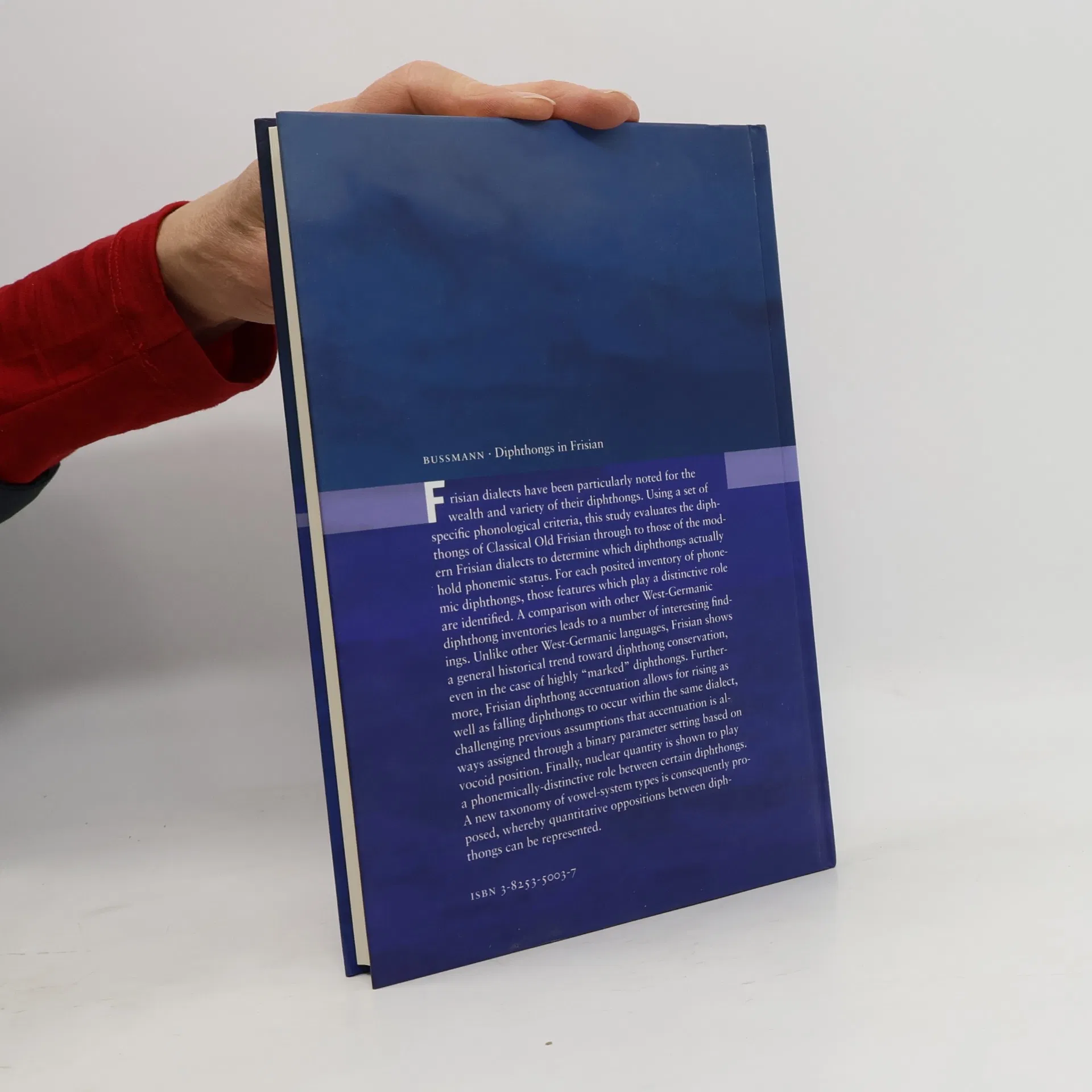
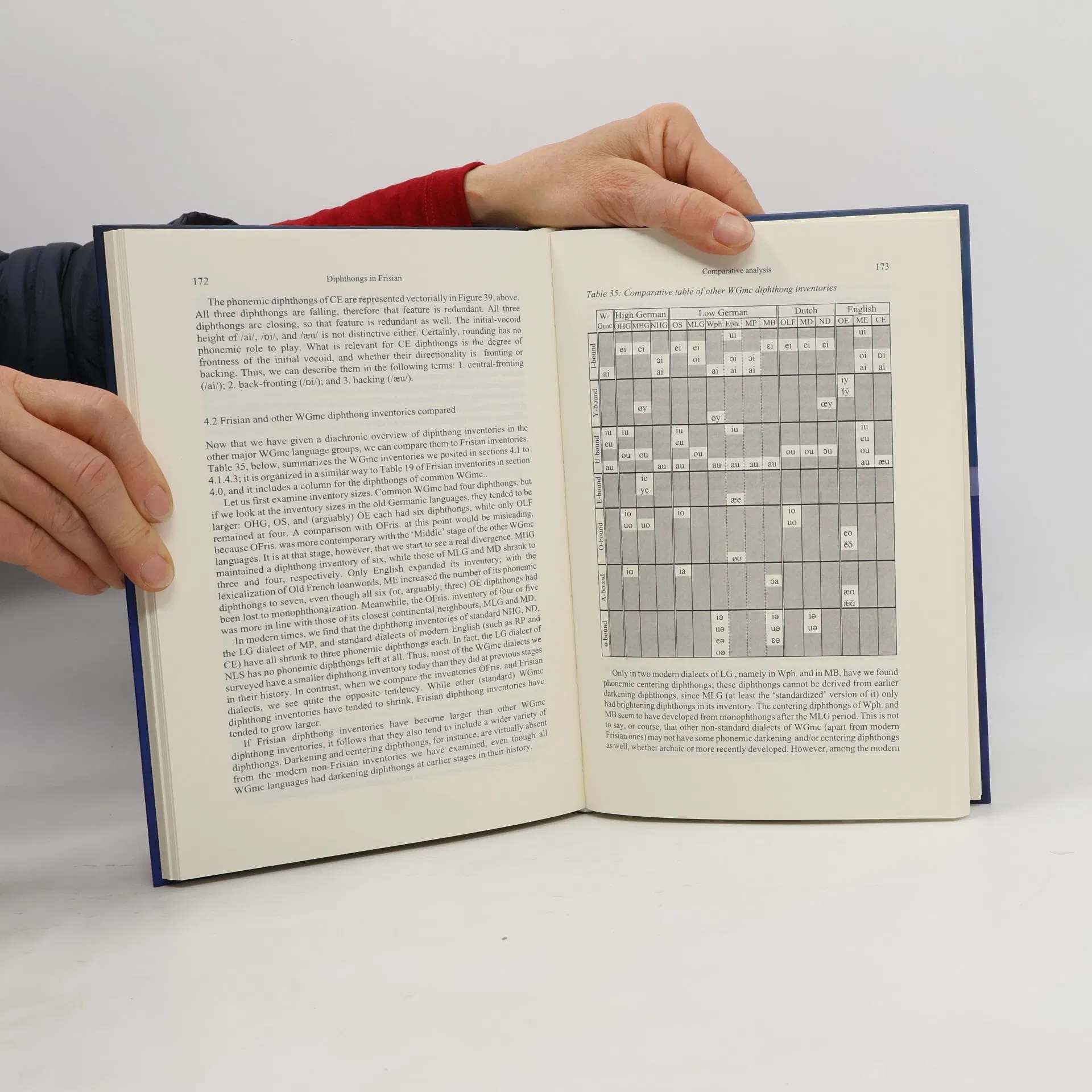
Frisian dialects are notable for their rich variety of diphthongs. This study assesses the diphthongs from Classical Old Frisian to modern dialects, using specific phonological criteria to determine which hold phonemic status. Each proposed inventory of phonemic diphthongs is analyzed to identify distinctive features. A comparison with other West-Germanic diphthong inventories yields intriguing results. Frisian exhibits a historical trend toward diphthong conservation, even for highly marked diphthongs, unlike other West-Germanic languages. Additionally, Frisian diphthong accentuation allows both rising and falling diphthongs within the same dialect, challenging the notion that accentuation is determined solely by vocoid position. The study also reveals that nuclear quantity plays a distinctive phonemic role among certain diphthongs, leading to a new taxonomy of vowel-system types that represents quantitative oppositions between diphthongs. The diversity of phonemic diphthongs in Frisian is striking, with features like falling accentuation paired with rising sonority in some cases, and rare phonemic oppositions between long and short diphthongs. Modern Frisian dialects typically have larger diphthong inventories compared to other West-Germanic languages, preserving old diphthongs while also developing new forms. Thus, arguments against phonemic quantity oppositions among diphthongs or the idea that all diphthongs in a dialect
Nákup knihy
Diphthongs in Frisian, Kathrin S. Bussmann
- Jazyk
- Rok vydania
- 2004
- Väzba
- (pevná),
- Stav knihy
- Dobrá
- Cena
- 27,99 €
Doručenie
Platobné metódy
Nikto zatiaľ neohodnotil.
- Titul
- Diphthongs in Frisian
- Podtitul
- A Comparative Analysis of Phonemic Inventories Past and Present
- Autori
- Kathrin S. Bussmann
- Vydavateľ
- Universitätsverlag Winter
- Rok vydania
- 2004
- Väzba
- pevná
- Počet strán
- 271
- ISBN10
- 3825350037
- ISBN13
- 9783825350031
- Série
- Kategórie
- Anotácia
- Frisian dialects are notable for their rich variety of diphthongs. This study assesses the diphthongs from Classical Old Frisian to modern dialects, using specific phonological criteria to determine which hold phonemic status. Each proposed inventory of phonemic diphthongs is analyzed to identify distinctive features. A comparison with other West-Germanic diphthong inventories yields intriguing results. Frisian exhibits a historical trend toward diphthong conservation, even for highly marked diphthongs, unlike other West-Germanic languages. Additionally, Frisian diphthong accentuation allows both rising and falling diphthongs within the same dialect, challenging the notion that accentuation is determined solely by vocoid position. The study also reveals that nuclear quantity plays a distinctive phonemic role among certain diphthongs, leading to a new taxonomy of vowel-system types that represents quantitative oppositions between diphthongs. The diversity of phonemic diphthongs in Frisian is striking, with features like falling accentuation paired with rising sonority in some cases, and rare phonemic oppositions between long and short diphthongs. Modern Frisian dialects typically have larger diphthong inventories compared to other West-Germanic languages, preserving old diphthongs while also developing new forms. Thus, arguments against phonemic quantity oppositions among diphthongs or the idea that all diphthongs in a dialect