

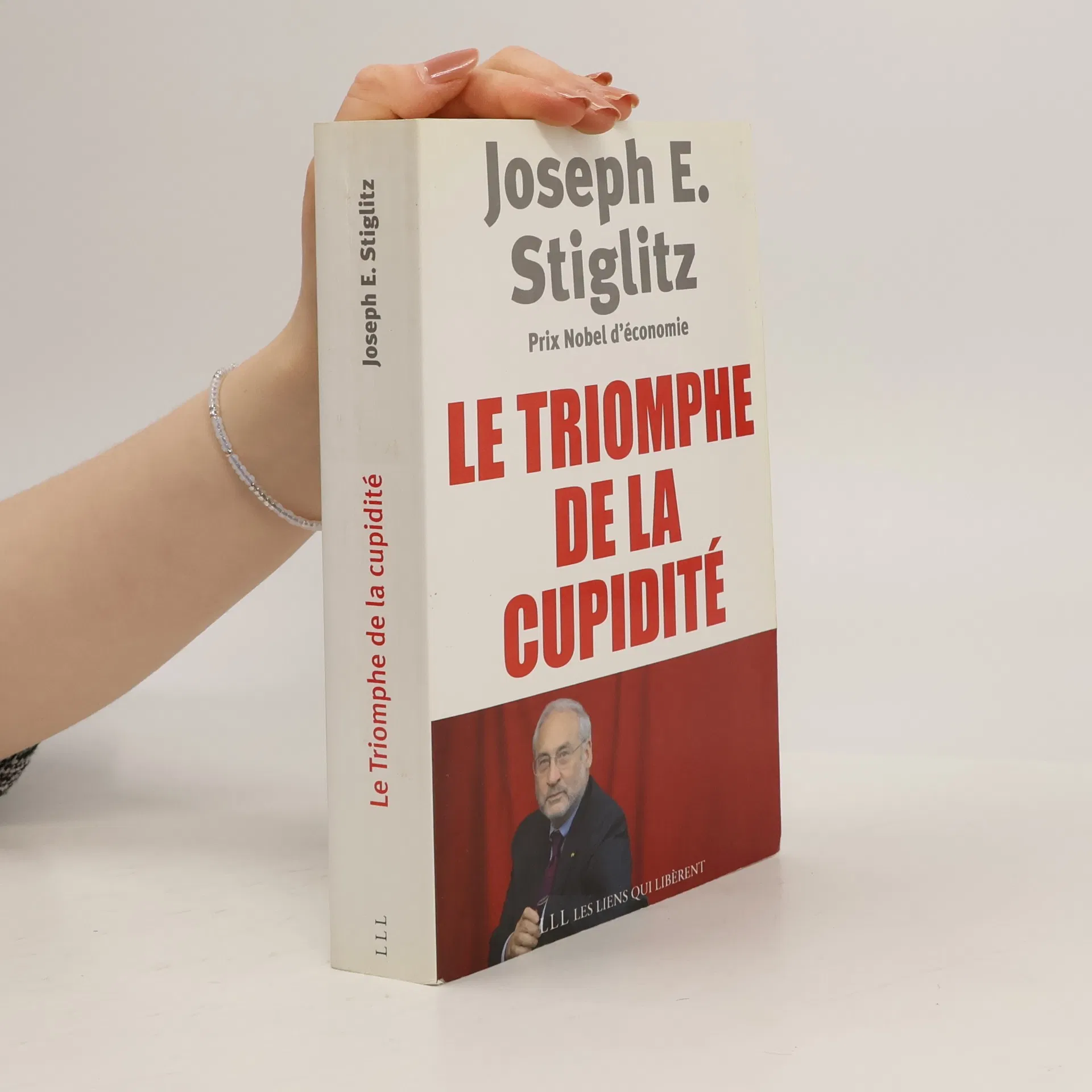



Le triomphe de la cupidité
Prix Nobel d'économie
Viac o knihe
<strong>Nobel Prize winner Joseph E. Stiglitz explains the current financial crisis—and the coming global economic order.</strong> The current global financial crisis carries a “made-in-America” label. In this forthright and incisive book, Nobel Laureate Joseph E. Stiglitz explains how America exported bad economics, bad policies, and bad behavior to the rest of the world, only to cobble together a haphazard and ineffective response when the markets finally seized up. Drawing on his academic expertise, his years spent shaping policy in the Clinton administration and at the World Bank, and his more recent role as head of a UN commission charged with reforming the global financial system, Stiglitz outlines a way forward building on ideas that he has championed his entire career: restoring the balance between markets and government, addressing the inequalities of the global financial system, and demanding more good ideas (and less ideology) from economists. <em>Freefall</em> is an instant classic, combining an enthralling whodunit account of the current crisis with a bracing discussion of the broader economic issues at stake.
Nákup knihy
Le triomphe de la cupidité, Joseph Stiglitz, Paul Chemla
- Jazyk

- Rok vydania
- 2010
- Väzba
- (mäkká),
- Stav knihy
- Poškodená
- Cena
- 6,09 €
Doručenie
Platobné metódy
Nikto zatiaľ neohodnotil.
- Titul
- Le triomphe de la cupidité
- Podtitul
- Prix Nobel d'économie
- Jazyk
- francúzsky
- Autori
- Joseph Stiglitz, Paul Chemla
- Vydavateľ
- Les liens qui libèrent
- Rok vydania
- 2010
- Väzba
- mäkká
- Počet strán
- 480
- ISBN10
- 2918597058
- ISBN13
- 9782918597056
- Série
- Kategórie
- Štítky
- Byznys, Politika, Odborná literatúra, Financie
- Anotácia
- <strong>Nobel Prize winner Joseph E. Stiglitz explains the current financial crisis—and the coming global economic order.</strong> The current global financial crisis carries a “made-in-America” label. In this forthright and incisive book, Nobel Laureate Joseph E. Stiglitz explains how America exported bad economics, bad policies, and bad behavior to the rest of the world, only to cobble together a haphazard and ineffective response when the markets finally seized up. Drawing on his academic expertise, his years spent shaping policy in the Clinton administration and at the World Bank, and his more recent role as head of a UN commission charged with reforming the global financial system, Stiglitz outlines a way forward building on ideas that he has championed his entire career: restoring the balance between markets and government, addressing the inequalities of the global financial system, and demanding more good ideas (and less ideology) from economists. <em>Freefall</em> is an instant classic, combining an enthralling whodunit account of the current crisis with a bracing discussion of the broader economic issues at stake.