

Viac o knihe
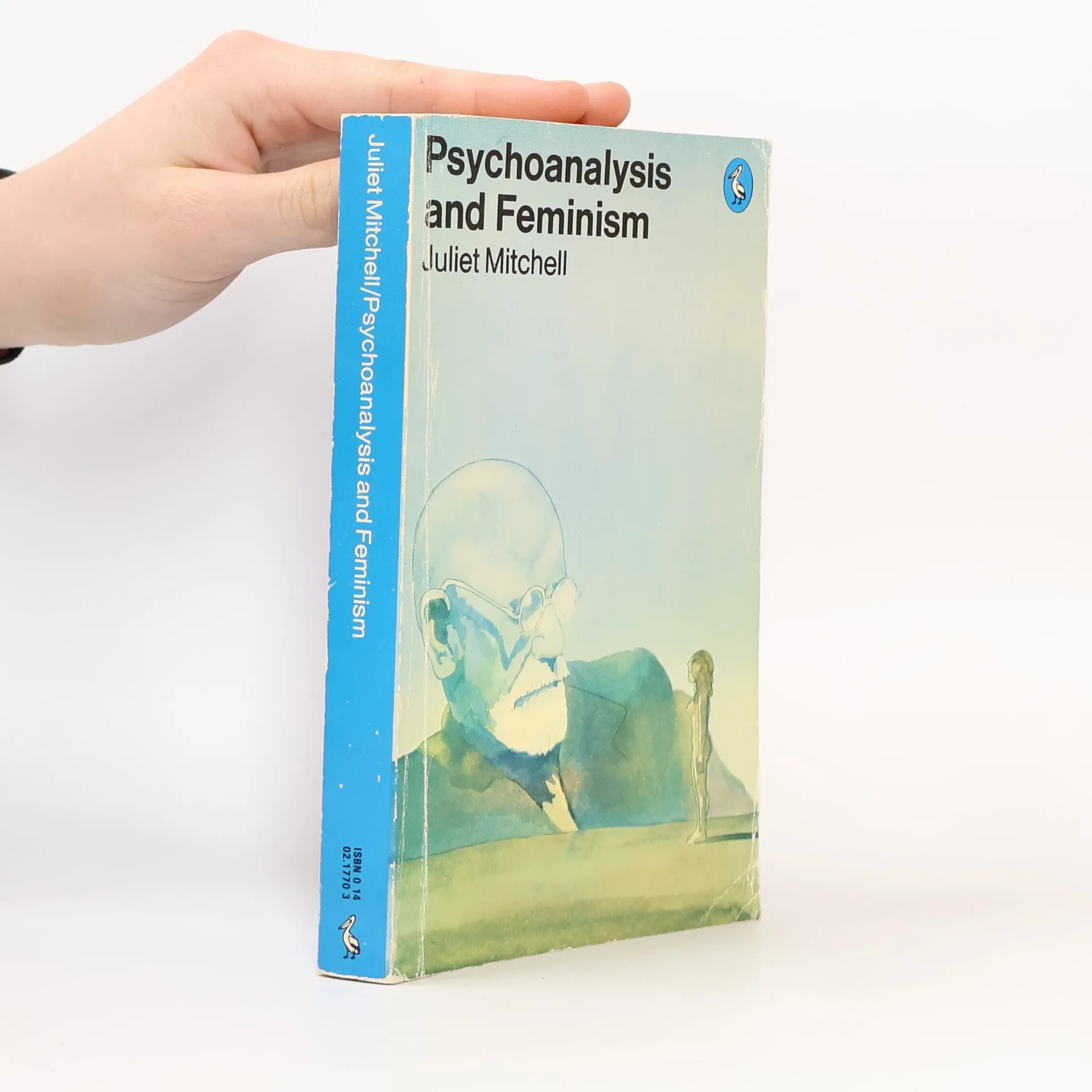
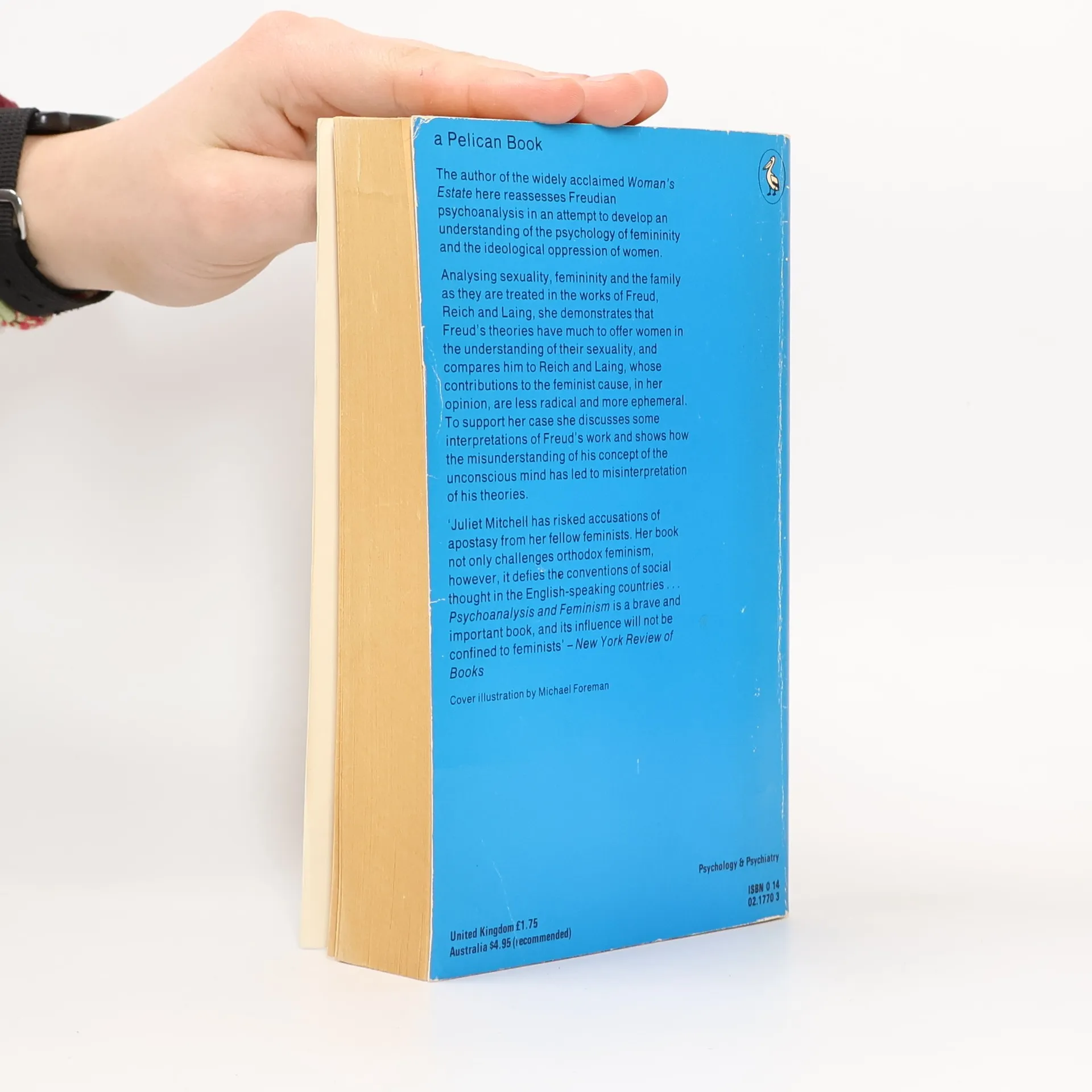
In 1974, at the height of the women's movement, Juliet Mitchell shocked her fellow feminists by challenging the entrenched belief that Freud was the enemy. She argued that a rejection of psychoanalysis as bourgeois and patriarchal was fatal for feminism. However it may have been used, she pointed out, psychoanalysis is not a recommendation for a patriarchal society, but rather an analysis of one. "If we are interested in understanding and challenging the oppression of women," she says, "we cannot afford to neglect psychoanalysis." In an introduction written specially for this reissue, Mitchell reflects on the changing relationship between these two major influences on twentieth-century thought. Original and provocative, Psychoanalysis and Feminism remains an essential component of the feminist canon.
Nákup knihy
Psychoanalysis and Feminism, Juliet Mitchell
- Jazyk

- Rok vydania
- 1975
- Väzba
- (mäkká)
Doručenie
Platobné metódy
Tu nám chýba tvoja recenzia
- Titul
- Psychoanalysis and Feminism
- Jazyk
- anglicky
- Autori
- Juliet Mitchell
- Vydavateľ
- Penguin
- Rok vydania
- 1975
- Väzba
- mäkká
- ISBN10
- 0140217703
- ISBN13
- 9780140217704
- Série
- Štítky
- Psychologická tematika, Filozofická tematika, Feminizmus, Vedecké teórie, Psychoanalýza, Gender
- Hodnotenie
- 4 z 5
- Anotácia
- In 1974, at the height of the women's movement, Juliet Mitchell shocked her fellow feminists by challenging the entrenched belief that Freud was the enemy. She argued that a rejection of psychoanalysis as bourgeois and patriarchal was fatal for feminism. However it may have been used, she pointed out, psychoanalysis is not a recommendation for a patriarchal society, but rather an analysis of one. "If we are interested in understanding and challenging the oppression of women," she says, "we cannot afford to neglect psychoanalysis." In an introduction written specially for this reissue, Mitchell reflects on the changing relationship between these two major influences on twentieth-century thought. Original and provocative, Psychoanalysis and Feminism remains an essential component of the feminist canon.