

Viac o knihe
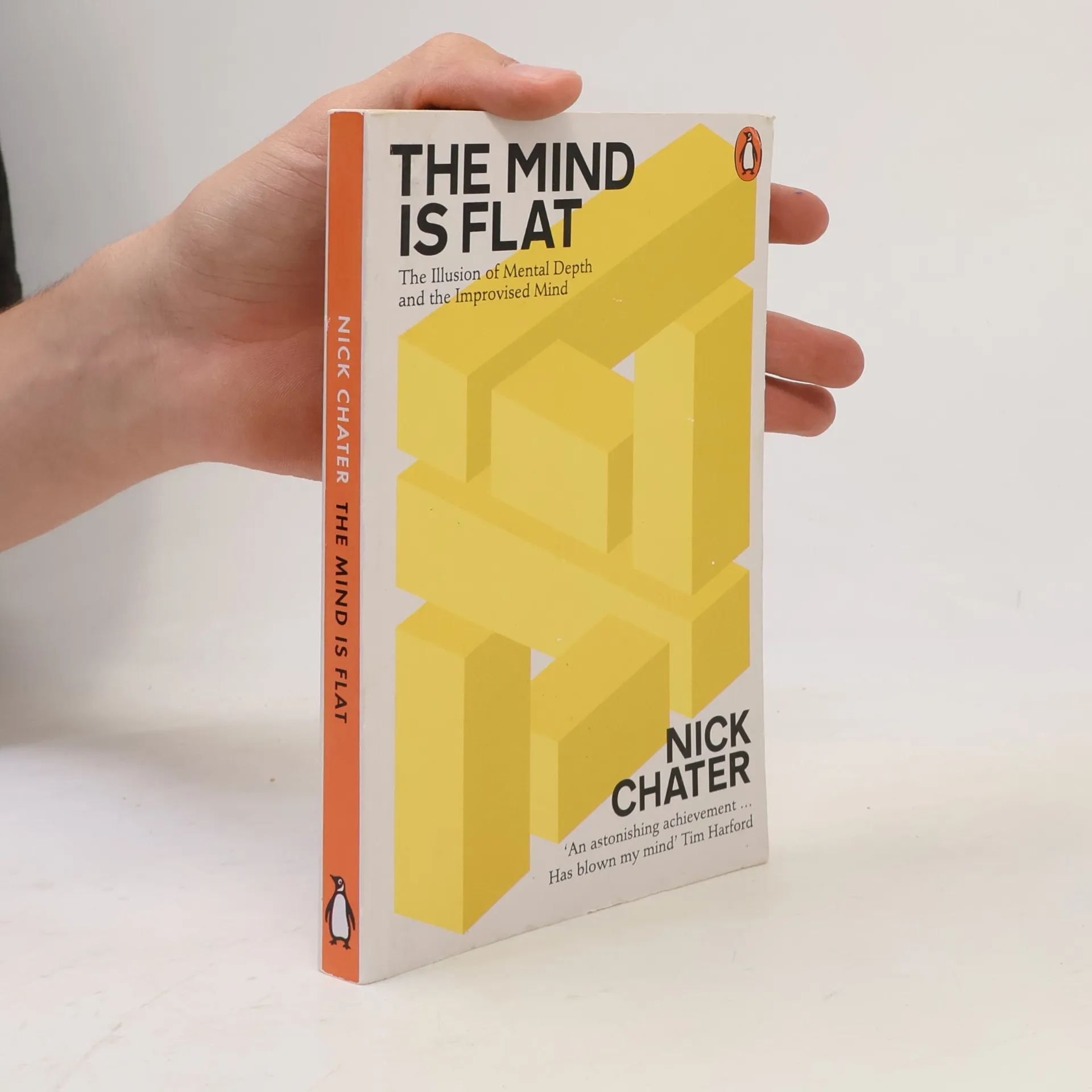
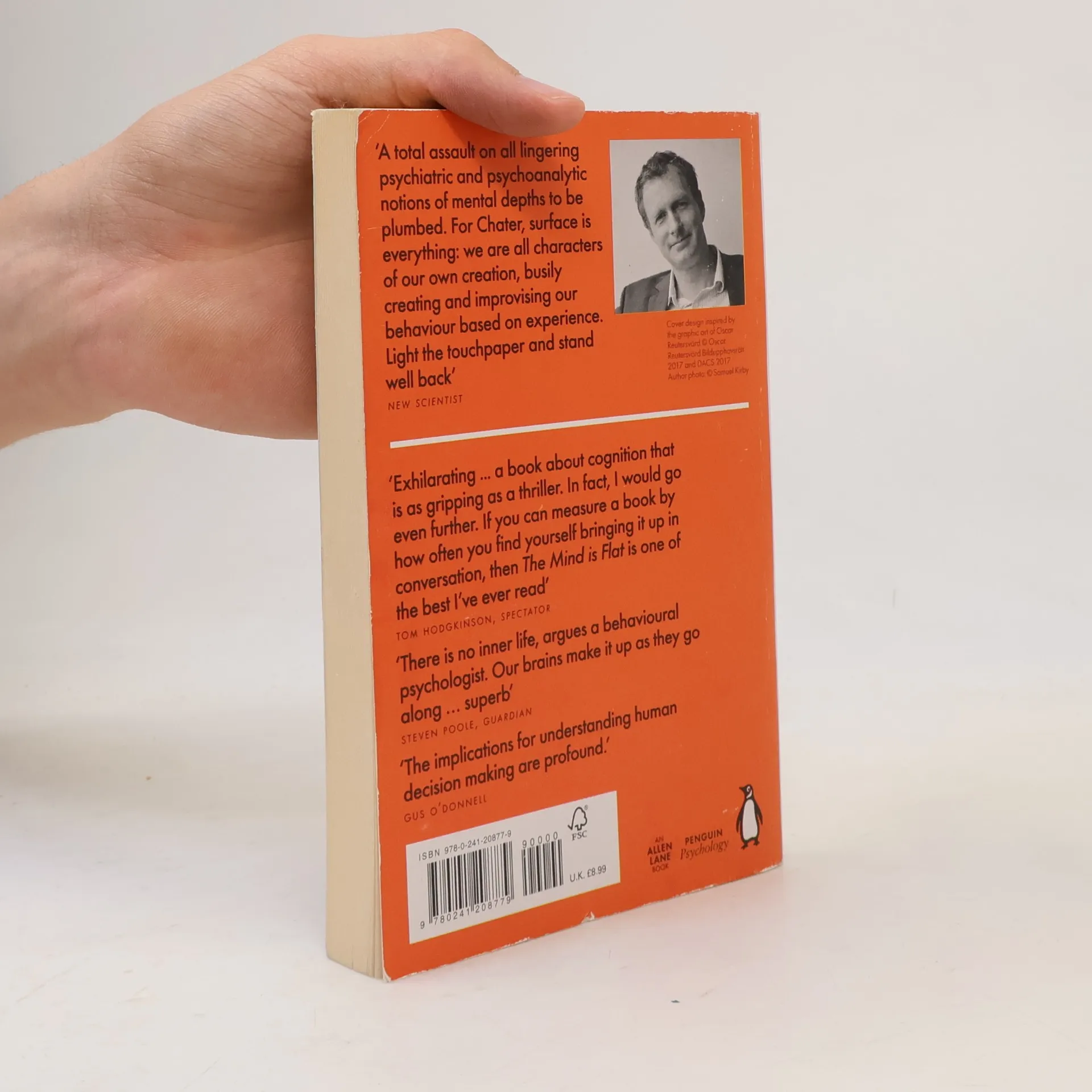
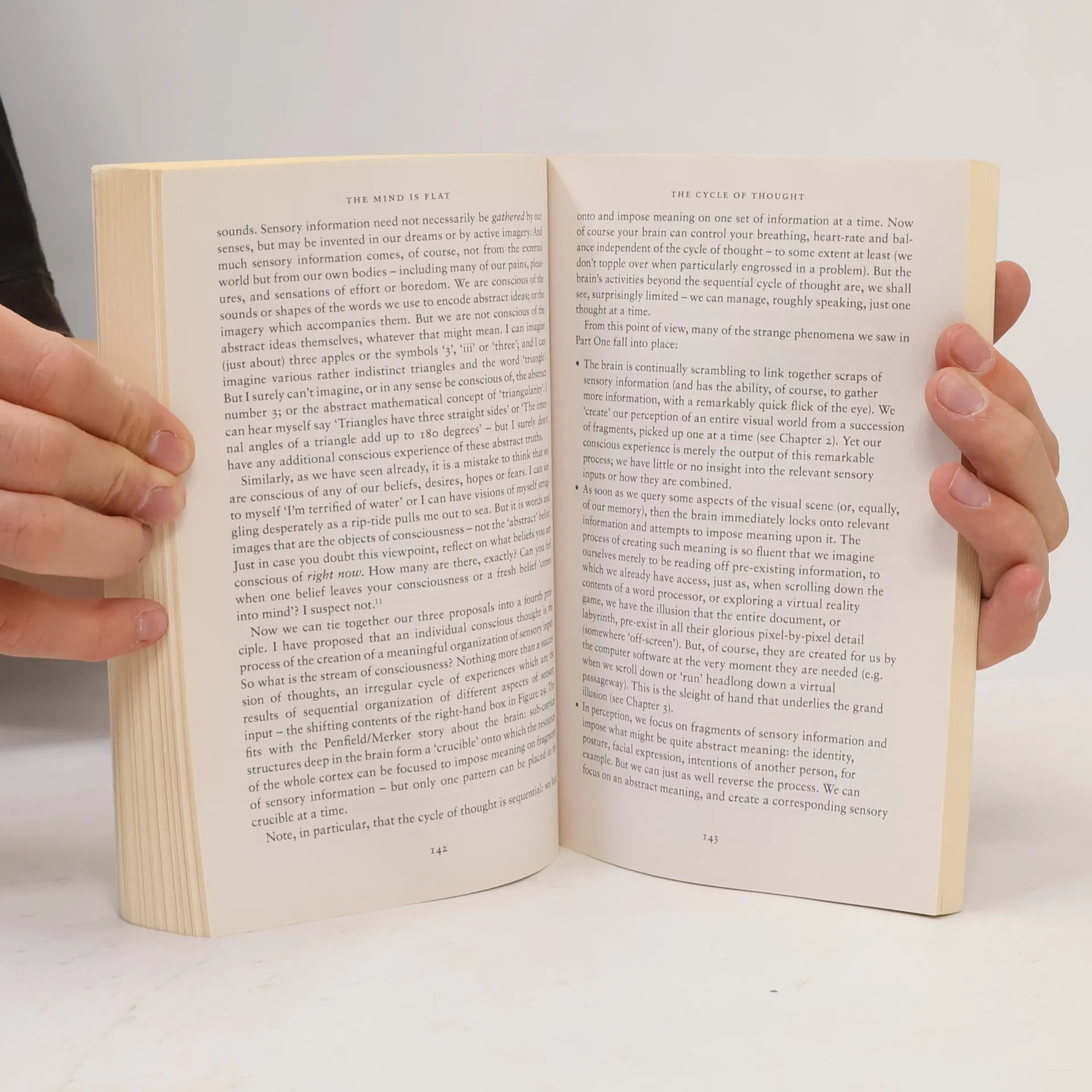
We all like to think we have a hidden inner life. Most of us assume that our beliefs and desires arise from the murky depths of our minds, and, if only we could work out how to access this mysterious world, we could truly understand ourselves. In The Mind Is Flat, pre-eminent behavioural scientist Nick Chater reveals that this entire enterprise is utterly misguided. Drawing on startling new research in neuroscience, behavioural psychology and perception, he shows that we have no hidden depths to plumb & unconscious thought is a myth. Instead, we generate our ideas, motives and thoughts in the moment. As the reader discovers, through mind-bending visual examples and counterintuitive experiments, we are all characters of our own creation, constantly improvising our behaviour based on our past experiences. And, as Chater shows us, recognising this can be liberating
Nákup knihy
The Mind Is Flat, Nick Chater
- Jazyk

- Rok vydania
- 2019
- Väzba
- (mäkká)
Doručenie
Platobné metódy
Tu nám chýba tvoja recenzia
- Titul
- The Mind Is Flat
- Jazyk
- anglicky
- Autori
- Nick Chater
- Vydavateľ
- Penguin Books, Limited
- Rok vydania
- 2019
- Väzba
- mäkká
- Počet strán
- 272
- ISBN10
- 0241208777
- ISBN13
- 9780241208779
- Série
- Hodnotenie
- 3,65 z 5
- Anotácia
- We all like to think we have a hidden inner life. Most of us assume that our beliefs and desires arise from the murky depths of our minds, and, if only we could work out how to access this mysterious world, we could truly understand ourselves. In The Mind Is Flat, pre-eminent behavioural scientist Nick Chater reveals that this entire enterprise is utterly misguided. Drawing on startling new research in neuroscience, behavioural psychology and perception, he shows that we have no hidden depths to plumb & unconscious thought is a myth. Instead, we generate our ideas, motives and thoughts in the moment. As the reader discovers, through mind-bending visual examples and counterintuitive experiments, we are all characters of our own creation, constantly improvising our behaviour based on our past experiences. And, as Chater shows us, recognising this can be liberating