


Parametre
Viac o knihe
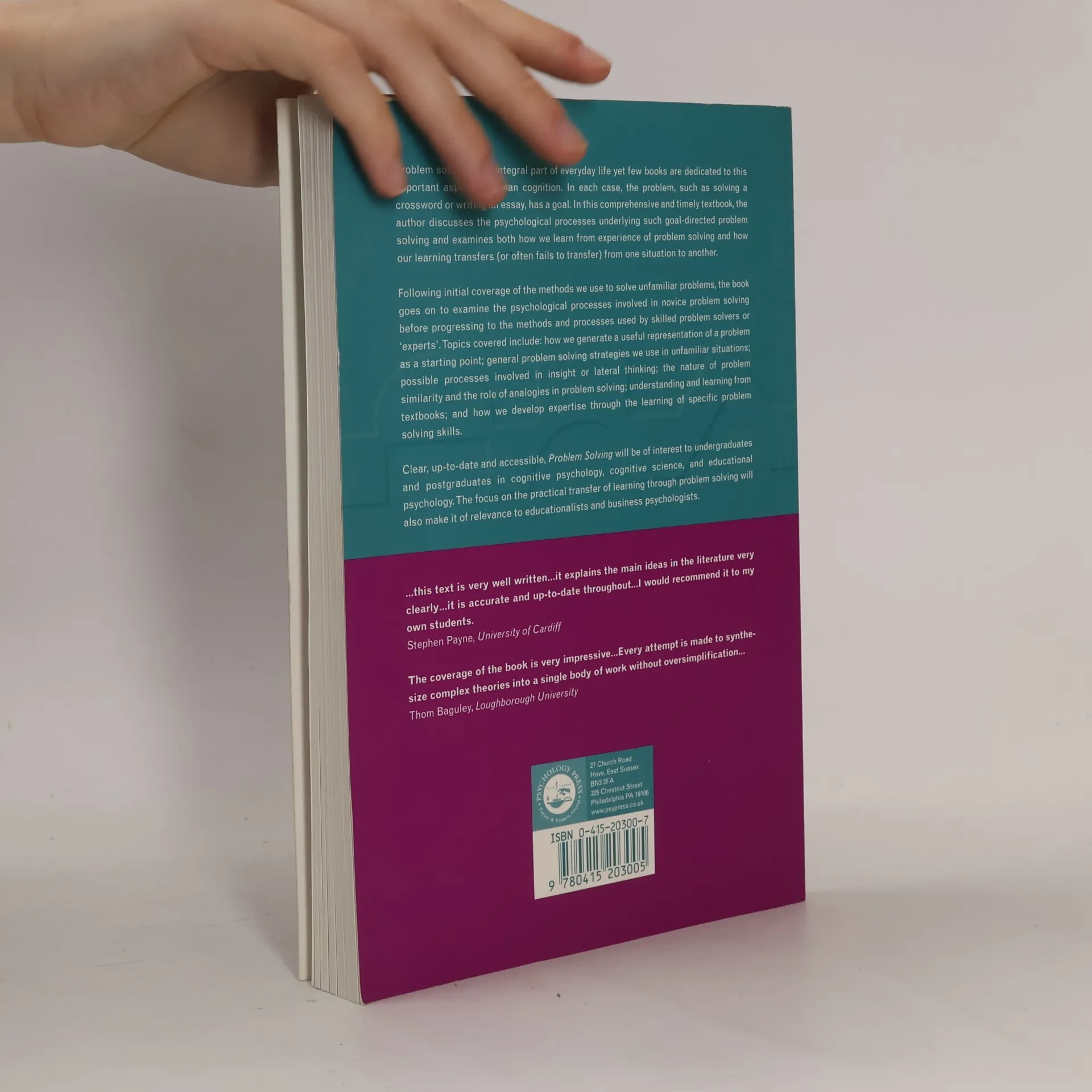
Problem solving is a crucial aspect of daily life, yet it is often overlooked in literature. This comprehensive textbook explores the psychological processes behind goal-directed problem solving, analyzing how we learn from problem-solving experiences and the challenges of transferring that learning to new situations. It begins by discussing methods for tackling unfamiliar problems and progresses to the psychological processes involved in novice problem solving, ultimately contrasting them with those of skilled problem solvers or "experts." Key topics include generating effective representations of problems, general strategies for unfamiliar situations, the processes behind insight and lateral thinking, the significance of problem similarity and analogies, and the role of textbooks in learning. Additionally, it addresses how expertise is developed through specific problem-solving skills. Clear and accessible, this work is valuable for undergraduates and postgraduates in cognitive psychology, cognitive science, and educational psychology. Its emphasis on the practical transfer of learning through problem solving also makes it relevant to educationalists and business psychologists.
Nákup knihy
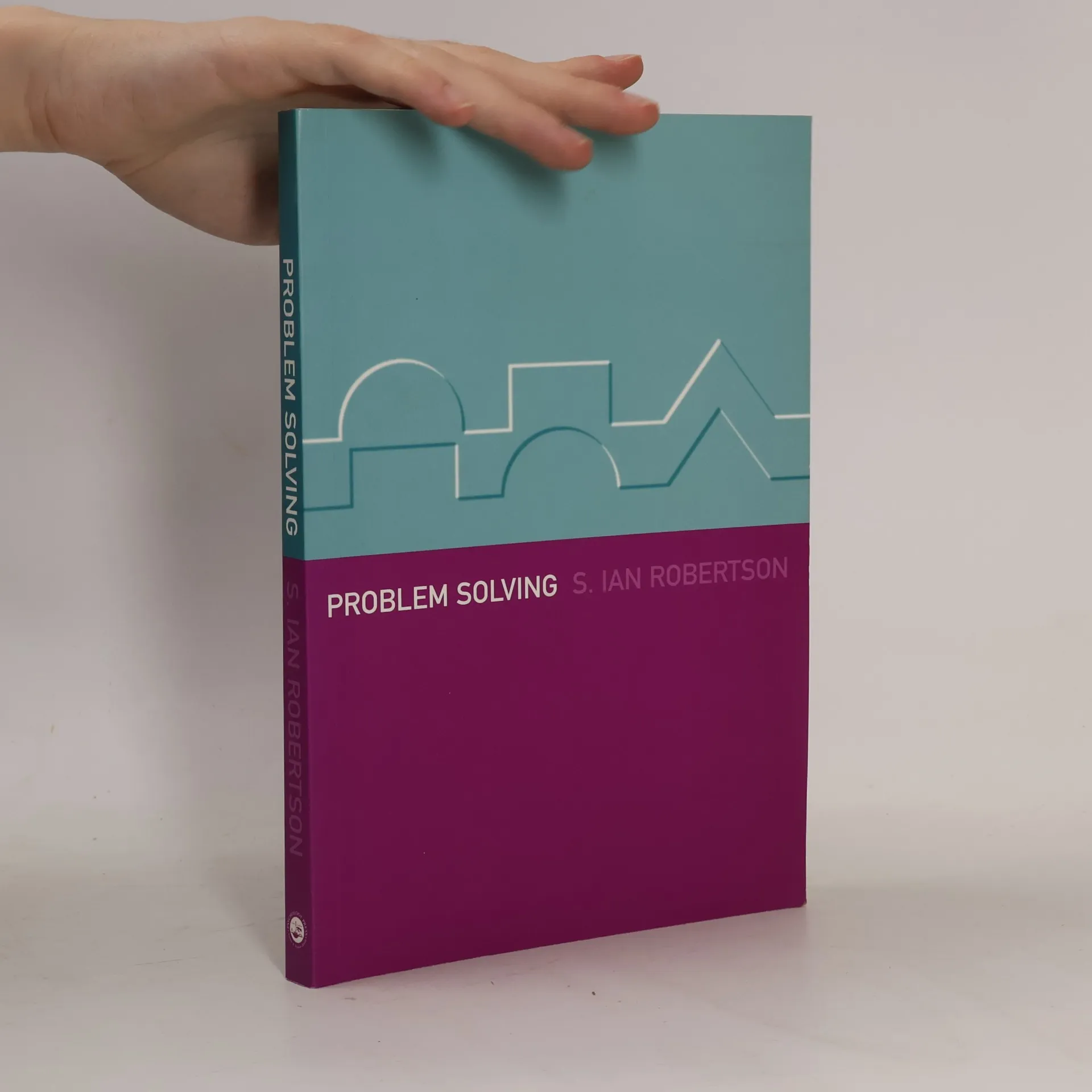
Problem Solving, S. Ian Robertson
- Jazyk

- Rok vydania
- 2001
- Väzba
- (mäkká)
Doručenie
Platobné metódy
Tu nám chýba tvoja recenzia
- Titul
- Problem Solving
- Jazyk
- anglicky
- Autori
- S. Ian Robertson
- Vydavateľ
- Psychology Press
- Rok vydania
- 2001
- Väzba
- mäkká
- ISBN10
- 0415203007
- ISBN13
- 9780415203005
- Série
- Štítky
- Hodnotenie
- 3 z 5
- Anotácia
- Problem solving is a crucial aspect of daily life, yet it is often overlooked in literature. This comprehensive textbook explores the psychological processes behind goal-directed problem solving, analyzing how we learn from problem-solving experiences and the challenges of transferring that learning to new situations. It begins by discussing methods for tackling unfamiliar problems and progresses to the psychological processes involved in novice problem solving, ultimately contrasting them with those of skilled problem solvers or "experts." Key topics include generating effective representations of problems, general strategies for unfamiliar situations, the processes behind insight and lateral thinking, the significance of problem similarity and analogies, and the role of textbooks in learning. Additionally, it addresses how expertise is developed through specific problem-solving skills. Clear and accessible, this work is valuable for undergraduates and postgraduates in cognitive psychology, cognitive science, and educational psychology. Its emphasis on the practical transfer of learning through problem solving also makes it relevant to educationalists and business psychologists.