

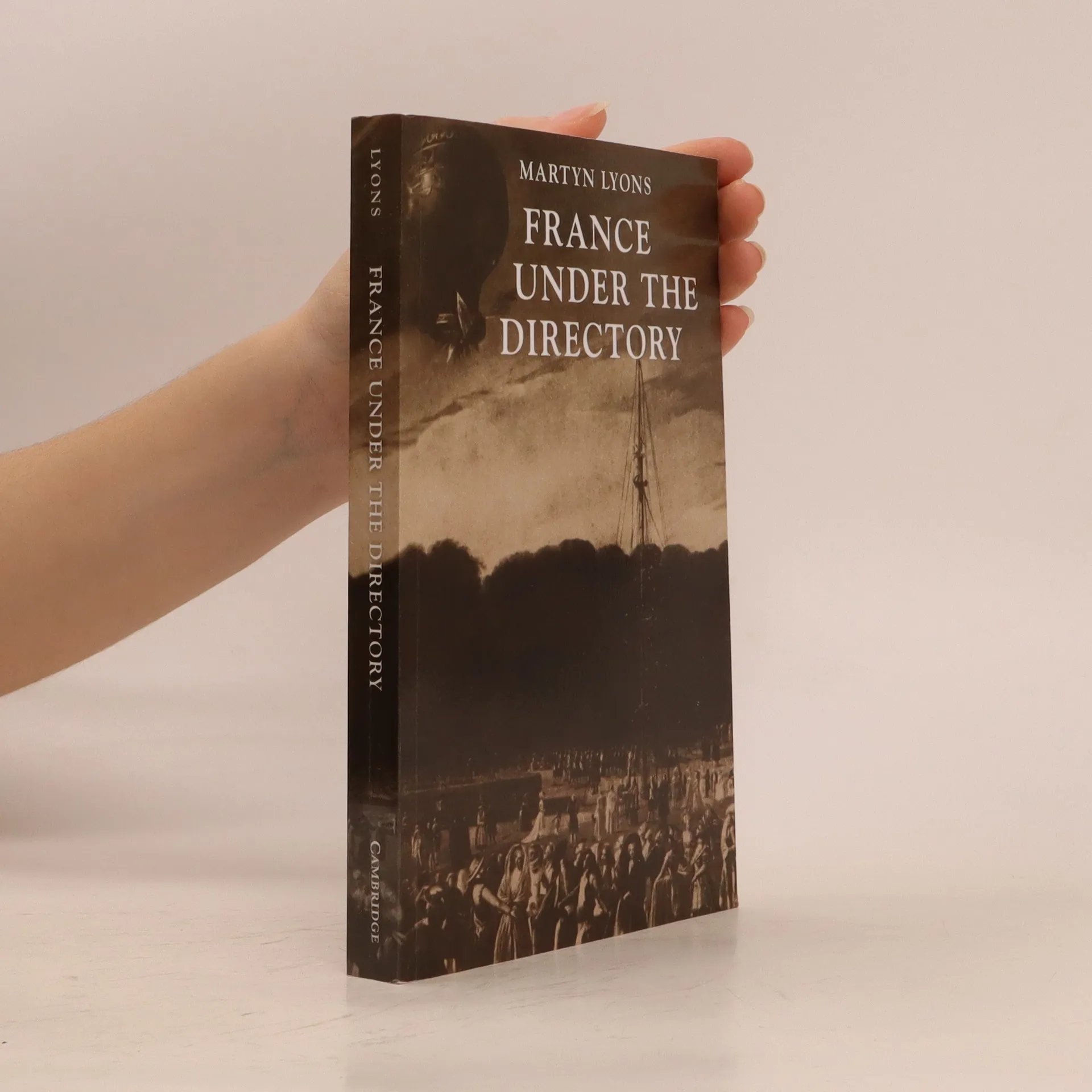


Viac o knihe
On 9 thermidor Year 2, Robespierre fell; on18 brumaire Year 8, a coup d'état brought Bonaparte to power. This book demonstrates that the interval between these two momentous events was also of crucial importance. Using the findings of recent research, it presents a balanced appraisal of the thermidorean and directorial regimes to the English student. For Jacobin sympathizers thermidor and the Directory represented the betrayal of the revolutionary idea; for Bonapartist propagandists it represented chaos and corruption, and the darker the Directory could be painted, the more Bonaparte's reputation would be flattered. Dr Lyons attempts to dispose of these myths. He stresses the Directory's successes as well as its failures, and emphasizes elements of continuity which link it both with the Jacobin regime and with the Consulate. The regime inherited a heavy burden of war, inflation and food shortages, yet it remained revolutionary in its Republicanism, its anticlericalism, and its desire to carry the fruits of the Revolution to the rest of Europe. At the same time it laid the foundations of financial stability and administrative efficiency on which Bonaparte was to build.
Nákup knihy
France under the Directory, Martyn Lyons
- Jazyk

- Rok vydania
- 1975
- Väzba
- (mäkká)
Doručenie
Platobné metódy
Tu nám chýba tvoja recenzia
- Titul
- France under the Directory
- Jazyk
- anglicky
- Autori
- Martyn Lyons
- Vydavateľ
- Cambridge University Press
- Rok vydania
- 1975
- Väzba
- mäkká
- Počet strán
- 272
- ISBN10
- 0521099501
- ISBN13
- 9780521099509
- Série
- Hodnotenie
- 3 z 5
- Anotácia
- On 9 thermidor Year 2, Robespierre fell; on18 brumaire Year 8, a coup d'état brought Bonaparte to power. This book demonstrates that the interval between these two momentous events was also of crucial importance. Using the findings of recent research, it presents a balanced appraisal of the thermidorean and directorial regimes to the English student. For Jacobin sympathizers thermidor and the Directory represented the betrayal of the revolutionary idea; for Bonapartist propagandists it represented chaos and corruption, and the darker the Directory could be painted, the more Bonaparte's reputation would be flattered. Dr Lyons attempts to dispose of these myths. He stresses the Directory's successes as well as its failures, and emphasizes elements of continuity which link it both with the Jacobin regime and with the Consulate. The regime inherited a heavy burden of war, inflation and food shortages, yet it remained revolutionary in its Republicanism, its anticlericalism, and its desire to carry the fruits of the Revolution to the rest of Europe. At the same time it laid the foundations of financial stability and administrative efficiency on which Bonaparte was to build.