


Parametre
Viac o knihe
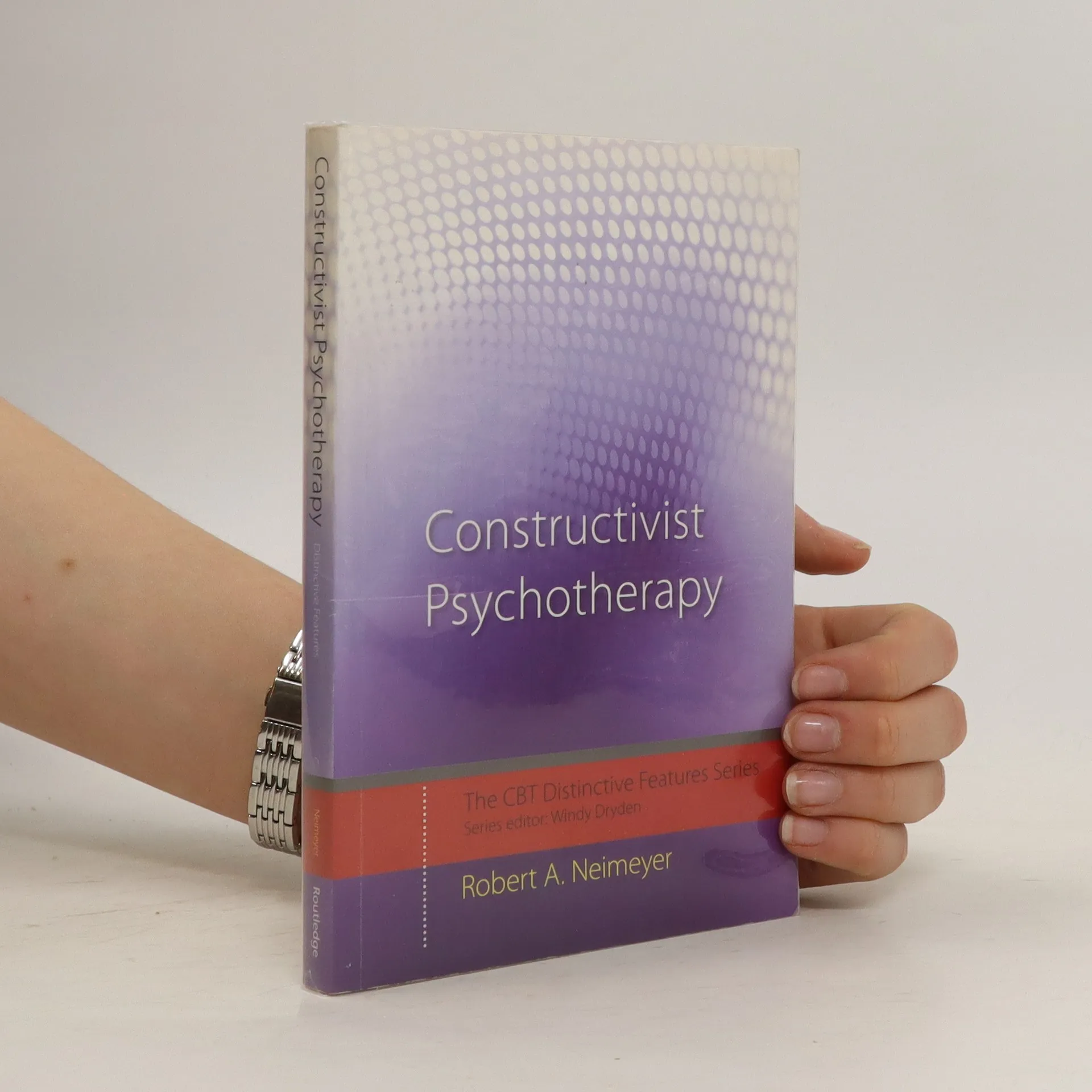
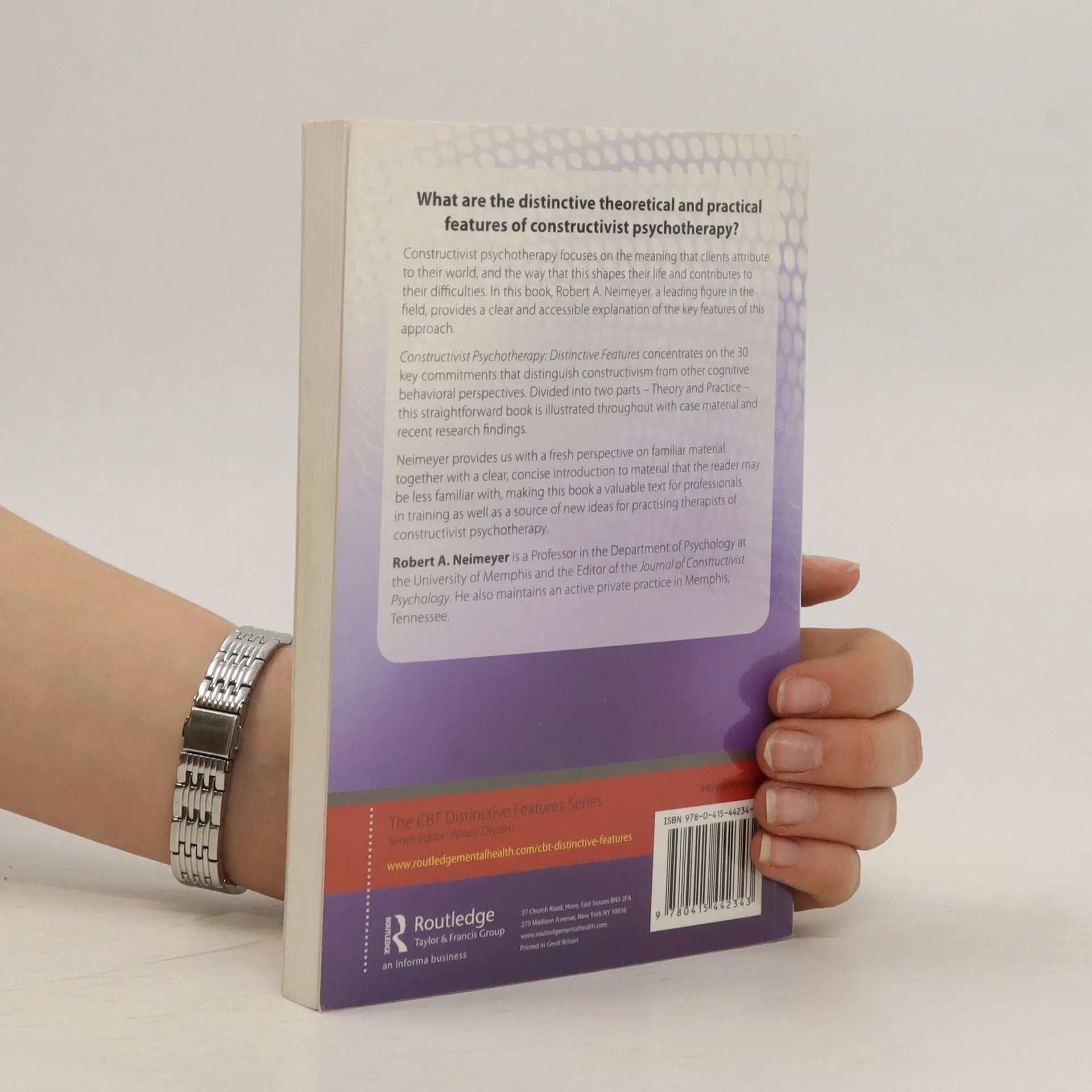
Constructivist psychotherapy focuses on the meaning that clients attribute to their world, and the way that this shapes their life and contributes to their difficulties. In this book, Robert A. Neimeyer, a leading figure in the field, provides a clear and accessible explanation of the key features of this approach. Constructivist Psychotherapy: Distinctive Features concentrates on the 30 key commitments that distinguish constructivism from other cognitive behavioural perspectives. Divided into two sections – Theory and Practice – this straightforward book is illustrated throughout with case material and recent research findings. Neimeyer provides us with a fresh perspective on familiar material, together with a clear, concise introduction to material that the reader may be less familiar with, making this book a valuable text for professionals in training as well as a source of new ideas for practising therapists of constructivist psychotherapy.
Nákup knihy
Constructivist Psychotherapy, Robert A. Neimeyer
- Jazyk

- Rok vydania
- 2009
- Väzba
- (mäkká)
Tu nám chýba tvoja recenzia
- Titul
- Constructivist Psychotherapy
- Jazyk
- anglicky
- Autori
- Robert A. Neimeyer
- Vydavateľ
- Routledge
- Rok vydania
- 2009
- Väzba
- mäkká
- ISBN10
- 0415442346
- ISBN13
- 9780415442343
- Série
- Štítky
- Hodnotenie
- 4,05 z 5
- Anotácia
- Constructivist psychotherapy focuses on the meaning that clients attribute to their world, and the way that this shapes their life and contributes to their difficulties. In this book, Robert A. Neimeyer, a leading figure in the field, provides a clear and accessible explanation of the key features of this approach. Constructivist Psychotherapy: Distinctive Features concentrates on the 30 key commitments that distinguish constructivism from other cognitive behavioural perspectives. Divided into two sections – Theory and Practice – this straightforward book is illustrated throughout with case material and recent research findings. Neimeyer provides us with a fresh perspective on familiar material, together with a clear, concise introduction to material that the reader may be less familiar with, making this book a valuable text for professionals in training as well as a source of new ideas for practising therapists of constructivist psychotherapy.