

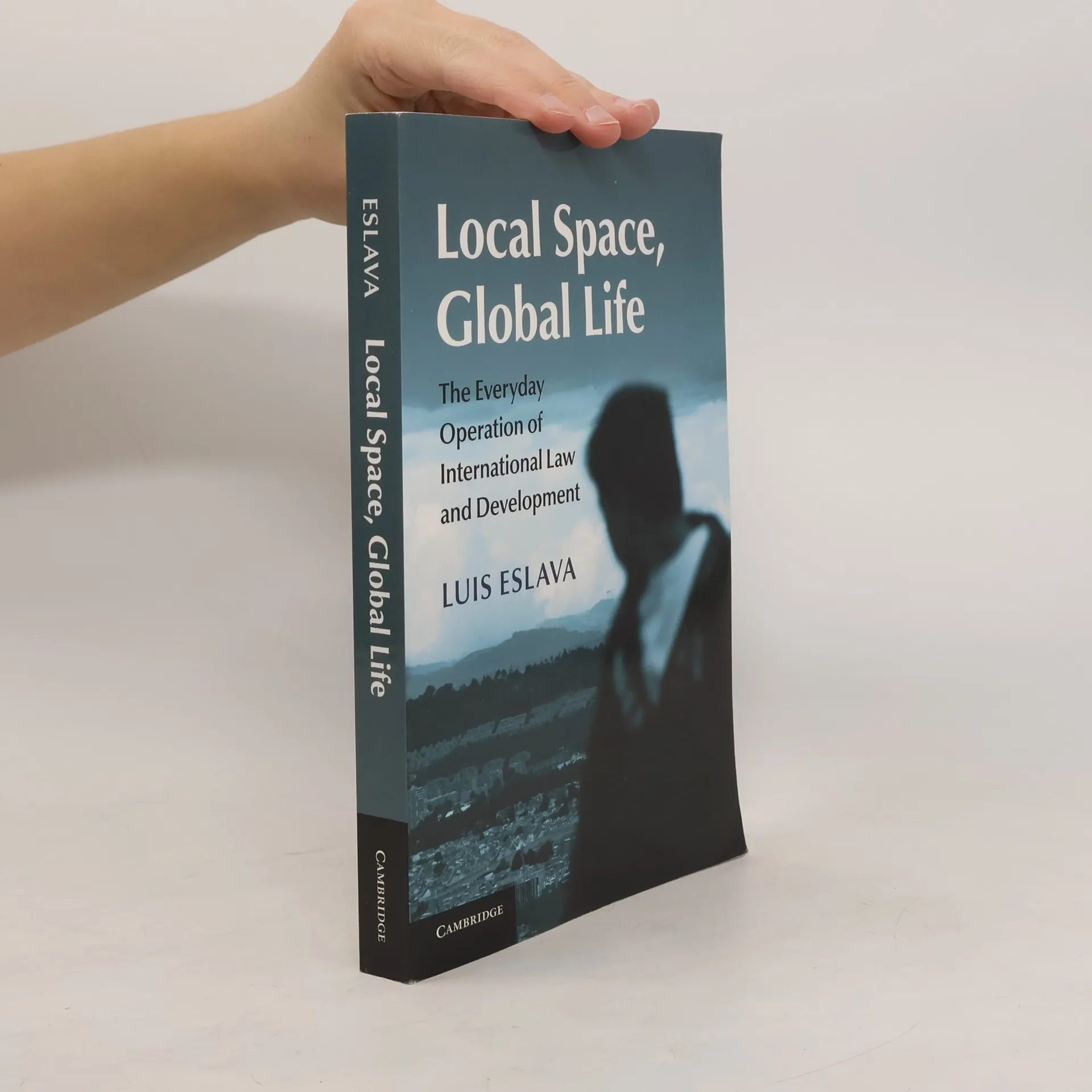

Local space, global life. The everyday operation of international law
Autori
Hodnotenie knihy
Viac o knihe
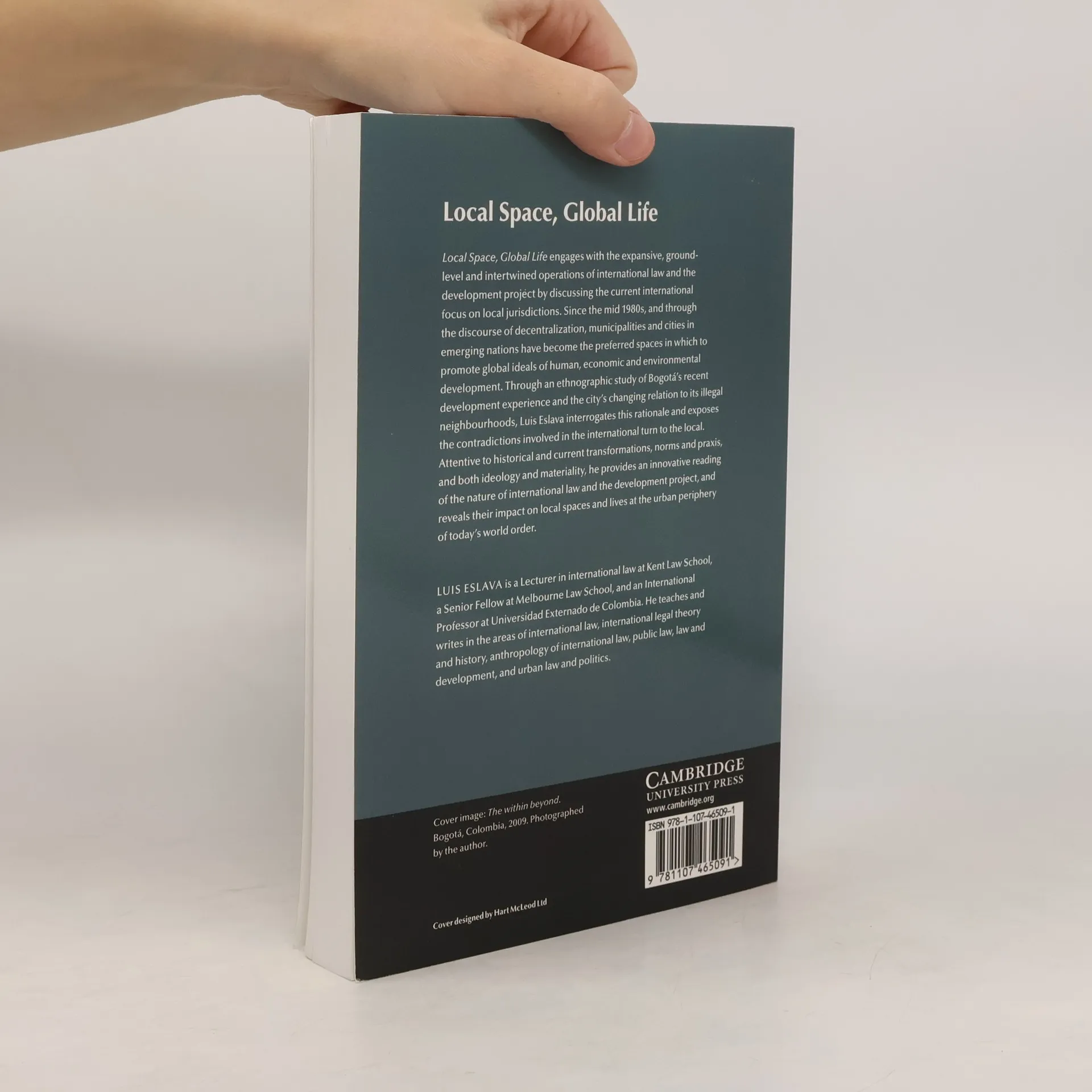
Local Space, Global Life engages with the expansive, ground-level and intertwined operations of international law and the development project by discussing the current international focus on local jurisdictions. Since the mid-1980s, and through the discourse of decentralization, municipalities and cities in emerging nations have become the preferred spaces in which to promote global ideals of human, economic and environmental development. Through an ethnographic study of Bogotá's recent development experience and the city's changing relation to its illegal neighbourhoods, Luis Eslava interrogates this rationale and exposes the contradictions involved in the international turn to the local. Attentive to historical and current transformations, norms and praxis, and both ideology and materiality, he provides an innovative reading of the nature of international law and the development project, and reveals their impact on local spaces and lives at the urban periphery of today's world order.
Nákup knihy
Local space, global life. The everyday operation of international law, Luis Eslava
- Jazyk

- Rok vydania
- 2016
- Väzba
- (mäkká)
Doručenie
Platobné metódy
Tu nám chýba tvoja recenzia
- Titul
- Local space, global life. The everyday operation of international law
- Jazyk
- anglicky
- Autori
- Luis Eslava
- Vydavateľ
- Cambridge University Press
- Rok vydania
- 2016
- Väzba
- mäkká
- Počet strán
- 374
- ISBN10
- 1107465095
- ISBN13
- 9781107465091
- Série
- Kategórie
- Štítky
- Byznys, Právna tematika, Darčeky pre dedka
- Hodnotenie
- 1 z 5
- Anotácia
- Local Space, Global Life engages with the expansive, ground-level and intertwined operations of international law and the development project by discussing the current international focus on local jurisdictions. Since the mid-1980s, and through the discourse of decentralization, municipalities and cities in emerging nations have become the preferred spaces in which to promote global ideals of human, economic and environmental development. Through an ethnographic study of Bogotá's recent development experience and the city's changing relation to its illegal neighbourhoods, Luis Eslava interrogates this rationale and exposes the contradictions involved in the international turn to the local. Attentive to historical and current transformations, norms and praxis, and both ideology and materiality, he provides an innovative reading of the nature of international law and the development project, and reveals their impact on local spaces and lives at the urban periphery of today's world order.