



Viac o knihe
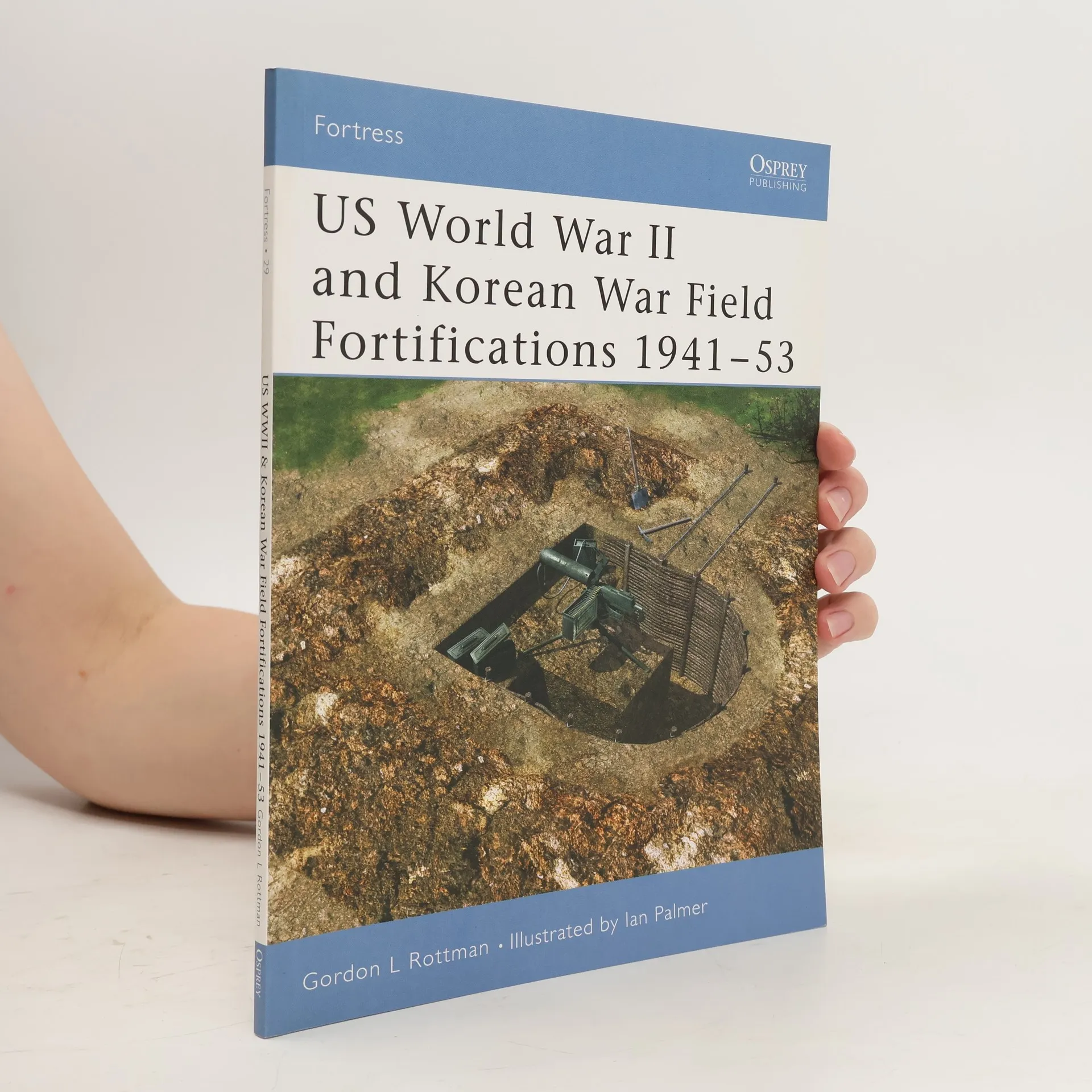
The US Army and Marine Corps in World War II considered themselves highly mobile, offensive forces. Their mobile-warfare doctrine envisioned field fortifications and obstacles as temporary in nature. As a result, their design was simple and made use of local materials, and they could be constructed comparatively quickly, whilst still providing adequate protection. By the time of the Korean War, only minor changes had been made to field fortification construction and layout, and to small-unit organization, weapons, and tactics. This title addresses field fortifications built by US infantrymen during World War II and in Korea, and covers rifle-platoon positions, trenches, crew-served weapon positions, bunkers, dugouts, shelters, observation posts and anti-tank obstacles.
Nákup knihy
US World War II and Korean War Field Fortifications 1941–53, Gordon L. Rottman
- Jazyk

- Rok vydania
- 2005
- product-detail.submit-box.info.binding
- (mäkká)
Platobné metódy
Tu nám chýba tvoja recenzia
- Titul
- US World War II and Korean War Field Fortifications 1941–53
- Jazyk
- anglicky
- Autori
- Gordon L. Rottman
- Vydavateľ
- Osprey Publishing
- Rok vydania
- 2005
- Väzba
- mäkká
- Počet strán
- 64
- ISBN10
- 184176812X
- ISBN13
- 9781841768120
- Série
- Hodnotenie
- 3,55 z 5
- Anotácia
- The US Army and Marine Corps in World War II considered themselves highly mobile, offensive forces. Their mobile-warfare doctrine envisioned field fortifications and obstacles as temporary in nature. As a result, their design was simple and made use of local materials, and they could be constructed comparatively quickly, whilst still providing adequate protection. By the time of the Korean War, only minor changes had been made to field fortification construction and layout, and to small-unit organization, weapons, and tactics. This title addresses field fortifications built by US infantrymen during World War II and in Korea, and covers rifle-platoon positions, trenches, crew-served weapon positions, bunkers, dugouts, shelters, observation posts and anti-tank obstacles.