

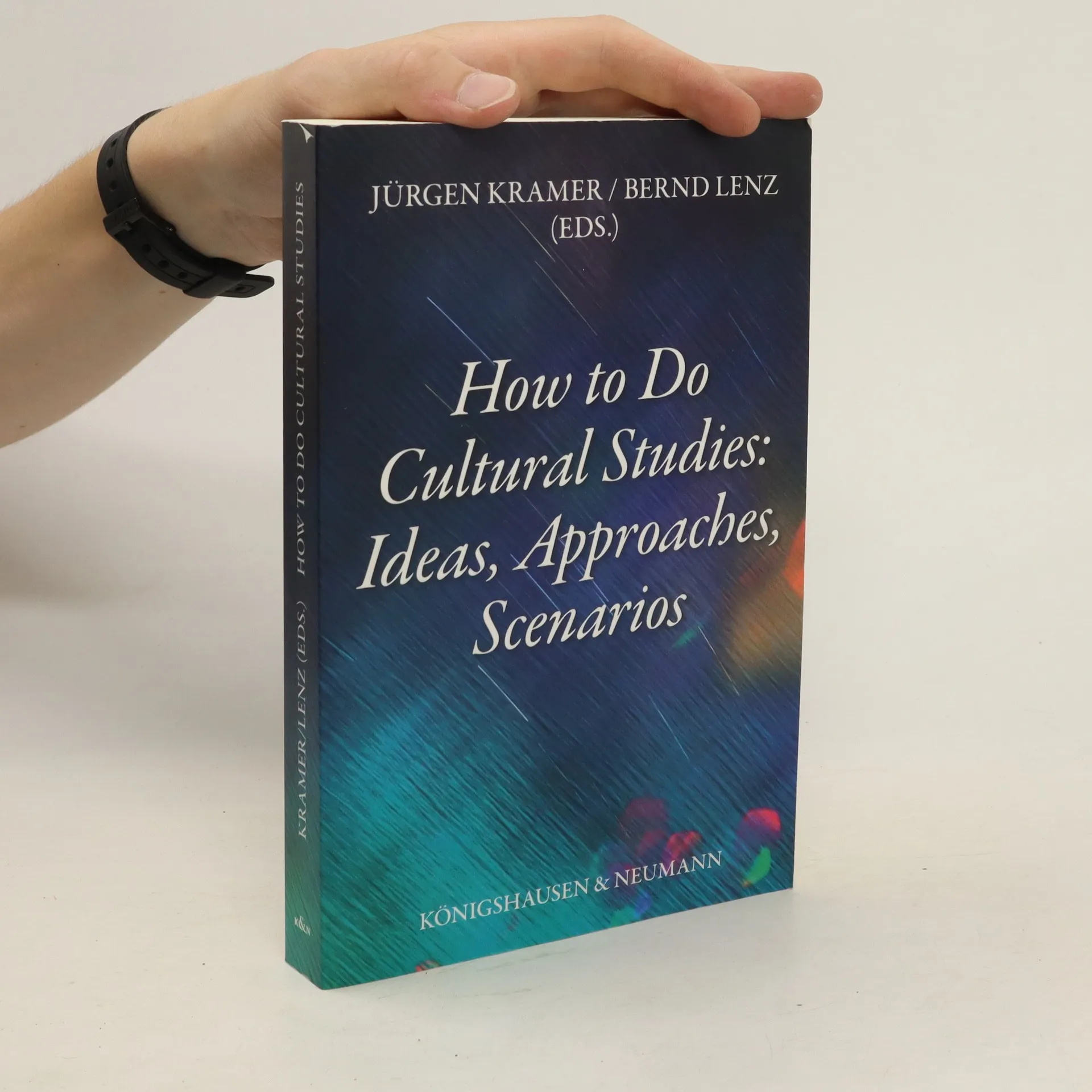


How to Do Cultural Studies: Ideas, Approaches, Scenarios
Autori
Parametre
Viac o knihe
Over the past three decades, Cultural Studies within German „Anglistik“ have become a success story: relevant research has been undertaken, syllabi (in universities and schools) have been redesigned, departments have been restructured and most students are enthusiastic. What is to be desired, are more publications which concretely describe, succinctly analyse and amply illustrate ideas, approaches and scenarios of how to do Cultural Studies, be it in the university classroom or, elsewhere, studying independently. The present volume tries to provide a start. In eleven contributions it is being demonstrated how students and teachers in universities and schools as well as self-learners can make complex cultural nexuses their own. The great variety of topics and didactic approaches is intended: all readers should be able to choose from a wide range of ideas and approaches, so that they do not only study what they are offered in this volume but also feel encouraged to develop projects of their own.
Nákup knihy
How to Do Cultural Studies: Ideas, Approaches, Scenarios, Jürgen Krämer, Bernd Lenz
- Jazyk

- Rok vydania
- 2020
- Väzba
- (mäkká)
Doručenie
Platobné metódy
Nikto zatiaľ neohodnotil.
- Titul
- How to Do Cultural Studies: Ideas, Approaches, Scenarios
- Jazyk
- anglicky
- Autori
- Jürgen Krämer, Bernd Lenz
- Vydavateľ
- Königshausen & Neumann
- Rok vydania
- 2020
- Väzba
- mäkká
- ISBN10
- 3826064674
- ISBN13
- 9783826064678
- Série
- Kategórie
- Štítky
- Anotácia
- Over the past three decades, Cultural Studies within German „Anglistik“ have become a success story: relevant research has been undertaken, syllabi (in universities and schools) have been redesigned, departments have been restructured and most students are enthusiastic. What is to be desired, are more publications which concretely describe, succinctly analyse and amply illustrate ideas, approaches and scenarios of how to do Cultural Studies, be it in the university classroom or, elsewhere, studying independently. The present volume tries to provide a start. In eleven contributions it is being demonstrated how students and teachers in universities and schools as well as self-learners can make complex cultural nexuses their own. The great variety of topics and didactic approaches is intended: all readers should be able to choose from a wide range of ideas and approaches, so that they do not only study what they are offered in this volume but also feel encouraged to develop projects of their own.