



Viac o knihe
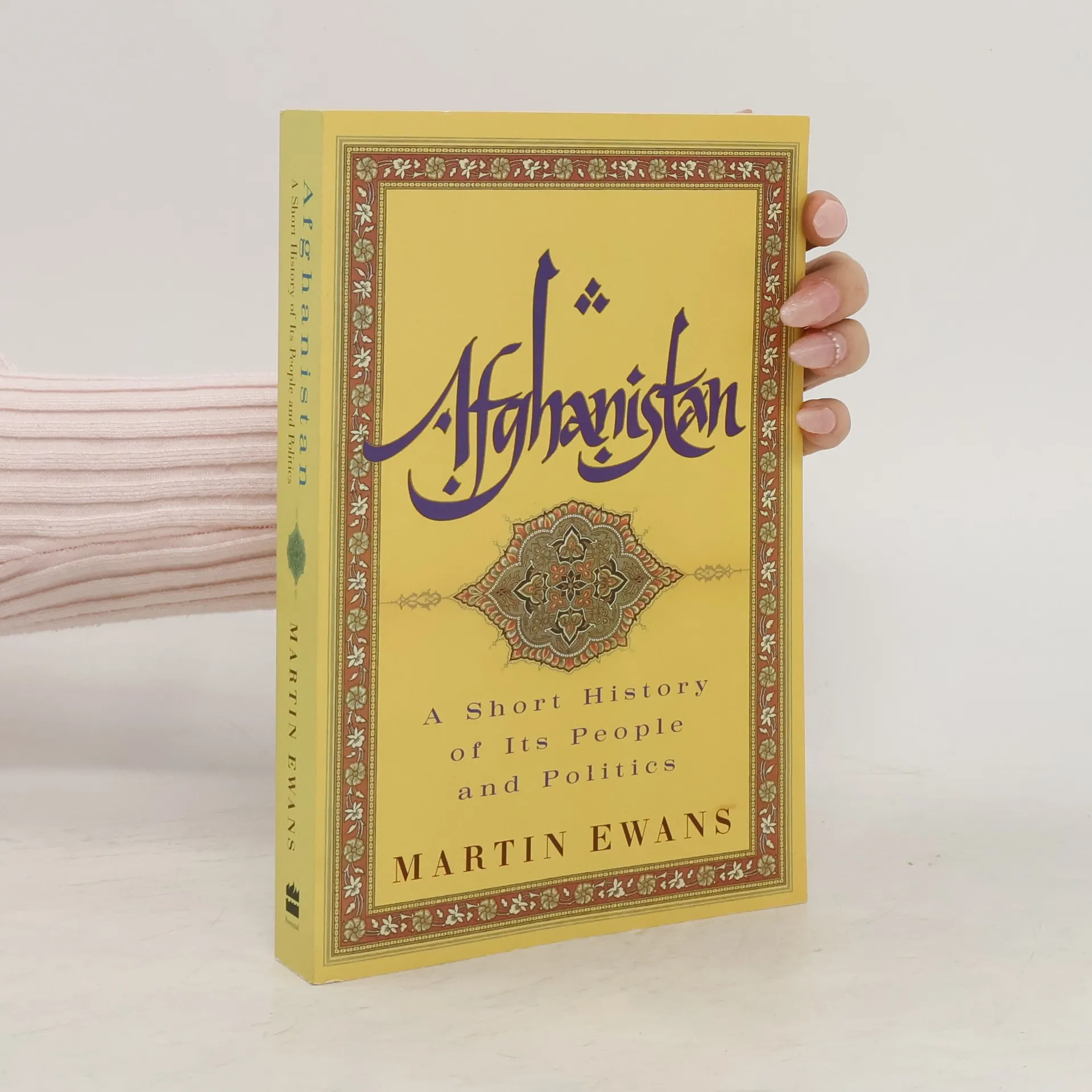
Reaching back to earliest times, Martin Ewans examines the historical evolution of one of today's most dangerous breeding grounds of global terrorism. After a succession of early dynasties and the emergence of an Afghan empire during the eighteenth century, the nineteenth and early twentieth century saw a fierce power struggle between Russia and Britain for supremacy in Afghanistan that was ended by the nation's proclamation of independence in 1919. A communist coup in the late 1970s overthrew the established regime and led to the invasion of Soviet troops in 1979. Roughly a decade later, the Soviet Union withdrew, condemning Afghanistan to a civil war that tore apart the nation's last remnants of religious, ethnic, and political unity. It was into this climate that the Taliban was born. Today, war-torn and economically destitute, Afghanistan faces unique challenges as it looks toward an uncertain future. Martin Ewans carefully weighs the lessons of history to provide a frank look at Afghanistan's prospects and the international resonances of the nation's immense task of total political and economic reconstruction.
Nákup knihy
Afghanistan, Martin Ewans
- Jazyk

- Rok vydania
- 2002
- Väzba
- (mäkká)
Doručenie
Platobné metódy
Tu nám chýba tvoja recenzia
- Titul
- Afghanistan
- Jazyk
- anglicky
- Autori
- Martin Ewans
- Vydavateľ
- Harper Collins
- Rok vydania
- 2002
- Väzba
- mäkká
- ISBN10
- 0060505087
- ISBN13
- 9780060505080
- Série
- Kategórie
- Hodnotenie
- 3,5 z 5
- Anotácia
- Reaching back to earliest times, Martin Ewans examines the historical evolution of one of today's most dangerous breeding grounds of global terrorism. After a succession of early dynasties and the emergence of an Afghan empire during the eighteenth century, the nineteenth and early twentieth century saw a fierce power struggle between Russia and Britain for supremacy in Afghanistan that was ended by the nation's proclamation of independence in 1919. A communist coup in the late 1970s overthrew the established regime and led to the invasion of Soviet troops in 1979. Roughly a decade later, the Soviet Union withdrew, condemning Afghanistan to a civil war that tore apart the nation's last remnants of religious, ethnic, and political unity. It was into this climate that the Taliban was born. Today, war-torn and economically destitute, Afghanistan faces unique challenges as it looks toward an uncertain future. Martin Ewans carefully weighs the lessons of history to provide a frank look at Afghanistan's prospects and the international resonances of the nation's immense task of total political and economic reconstruction.