

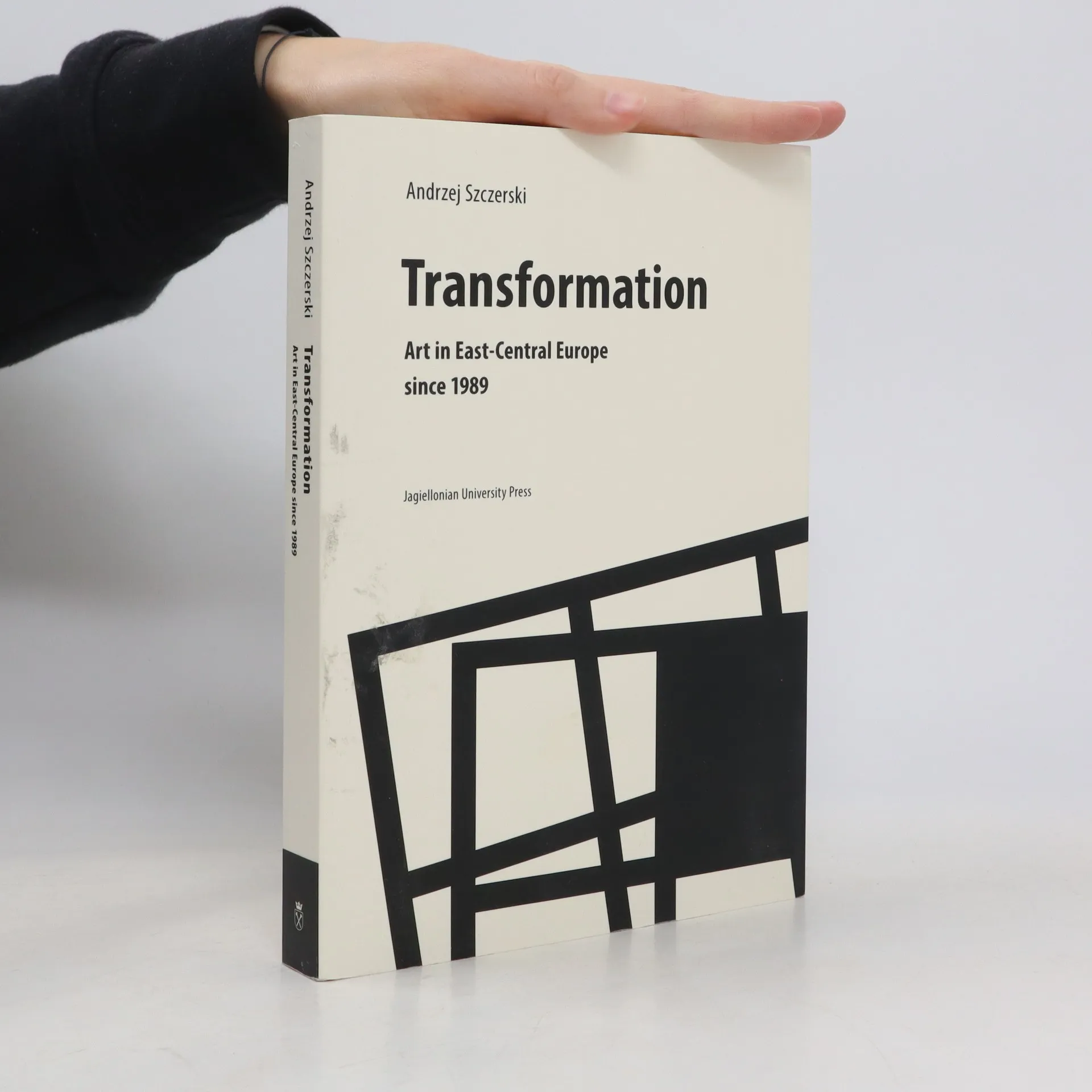
Transformation art in east central europe After 1989
Autori
Parametre
- 257 stránok
- 9 hodin čítania
Viac o knihe
The year 1989 signaled a transformative period marked by the end of communism and the onset of post-communist change across Eastern Bloc countries. This era saw nations embracing free elections, reclaiming sovereignty, and shifting towards free-market capitalism. The latter half of 1989, known as the “Autumn of Nations,” heralded the liberation of East-Central Europe from Soviet control, culminating in the Soviet Union's collapse and the conclusion of the Cold War in Europe. This new era brought significant political, economic, and cultural shifts, fostering individual liberties and civil rights while rebuilding national identities across the continent. Culture emerged as a catalyst for change, with the abolition of censorship, removal of communist monuments, and renaming of streets. These radical cultural shifts influenced the art of the time, reflecting the evolving ideologies and institutional sponsorship that favored three artistic approaches. Some artists directly engaged with the changes, creating works that commented on current events or envisioned the future direction of transformation. Others observed from a distance, emphasizing the diverse historical contexts and cultural identities that shaped these developments. Additionally, contemporary art played a crucial role in how we remember the communist past, questioning its legacy while highlighting its enduring impact. This body of work, related to the post-1989 tran
Nákup knihy
Transformation art in east central europe After 1989, Andrzej Szczerski
- Jazyk

- Rok vydania
- 2019
- Väzba
- (mäkká)
Doručenie
Platobné metódy
Nikto zatiaľ neohodnotil.
- Titul
- Transformation art in east central europe After 1989
- Jazyk
- poľsky
- Autori
- Andrzej Szczerski
- Rok vydania
- 2019
- Väzba
- mäkká
- Počet strán
- 257
- ISBN10
- 8323345430
- ISBN13
- 9788323345435
- Série
- Kategórie
- Štítky
- Umenie, Politika, Darčeky pre dedka, Dejiny umenia, Kulturné dejiny, Dejiny 20. storočia, Demokracia, Premena, Kapitalizmus, Východná Európa
- Anotácia
- The year 1989 signaled a transformative period marked by the end of communism and the onset of post-communist change across Eastern Bloc countries. This era saw nations embracing free elections, reclaiming sovereignty, and shifting towards free-market capitalism. The latter half of 1989, known as the “Autumn of Nations,” heralded the liberation of East-Central Europe from Soviet control, culminating in the Soviet Union's collapse and the conclusion of the Cold War in Europe. This new era brought significant political, economic, and cultural shifts, fostering individual liberties and civil rights while rebuilding national identities across the continent. Culture emerged as a catalyst for change, with the abolition of censorship, removal of communist monuments, and renaming of streets. These radical cultural shifts influenced the art of the time, reflecting the evolving ideologies and institutional sponsorship that favored three artistic approaches. Some artists directly engaged with the changes, creating works that commented on current events or envisioned the future direction of transformation. Others observed from a distance, emphasizing the diverse historical contexts and cultural identities that shaped these developments. Additionally, contemporary art played a crucial role in how we remember the communist past, questioning its legacy while highlighting its enduring impact. This body of work, related to the post-1989 tran