

Parametre
- 320 stránok
- 12 hodin čítania
Viac o knihe
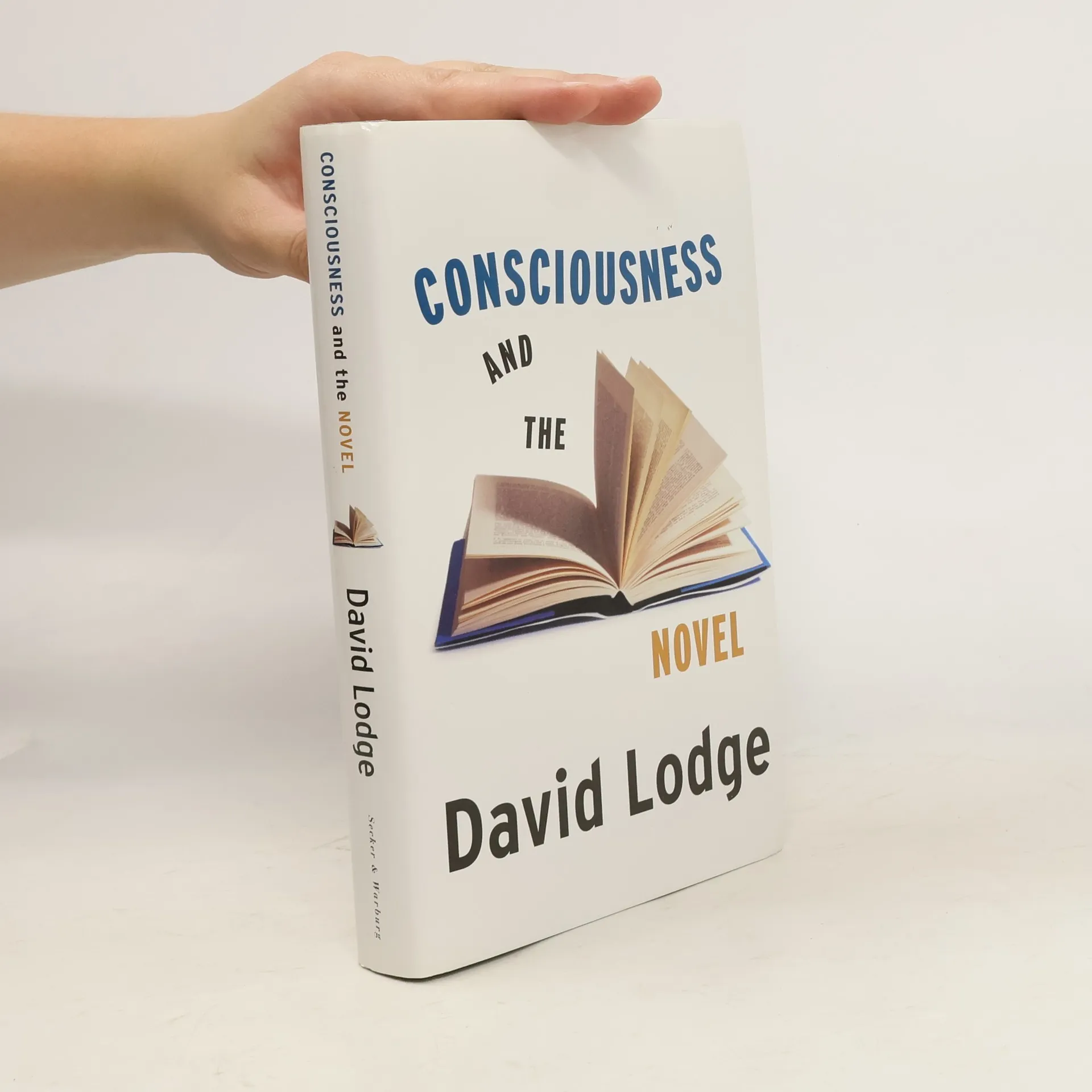
Human consciousness, long the province of literature, has lately come in for a remapping - even rediscovery - by the natural sciences, driven by developments in Artificial Intelligence, neuroscience, and evolutionary biology. But as the richest record we have of human consciousness, literature, David Lodge suggests, may offer a kind of knowledge about this phenomenon that is complementary, not opposed, to scientific knowledge. Writing with characteristic wit and brio, and employing the insight and acumen of a skilled novelist and critic, Lodge here explores the representation of human consciousness in fiction (mainly English and American) in the light of recent investigations in cognitive science, neuroscience, and related disciplines. How, Lodge asks, does the novel represent consciousness? And how has this changed over time? In a series of interconnected essays, he pursues this question down various paths: how does the novel's method compare with that of other creative media such as film? How does the consciousness (and unconscious) of the creative writer do its work? And how can criticism infer the nature of this process through formal analysis? In essays on Charles Dickens, E.M. Forster, Evelyn Waugh, Kingsley and Martin Amis, Henry James, John Updike and Philip Roth, and in reflections on his own practice as a novelist, Lodge brings to light - and to engaging life
Nákup knihy
Consciousness and the Novel, David Lodge
- Jazyk

- Rok vydania
- 2002
- Väzba
- (pevná)
Doručenie
Platobné metódy
Tu nám chýba tvoja recenzia
- Titul
- Consciousness and the Novel
- Jazyk
- anglicky
- Autori
- David Lodge
- Vydavateľ
- Secker & Warburg
- Rok vydania
- 2002
- Väzba
- pevná
- Počet strán
- 320
- ISBN10
- 0436210053
- ISBN13
- 9780436210051
- Série
- Štítky
- Literárna kritika, Písanie, O knihách, Kritika
- Hodnotenie
- 3,15 z 5
- Anotácia
- Human consciousness, long the province of literature, has lately come in for a remapping - even rediscovery - by the natural sciences, driven by developments in Artificial Intelligence, neuroscience, and evolutionary biology. But as the richest record we have of human consciousness, literature, David Lodge suggests, may offer a kind of knowledge about this phenomenon that is complementary, not opposed, to scientific knowledge. Writing with characteristic wit and brio, and employing the insight and acumen of a skilled novelist and critic, Lodge here explores the representation of human consciousness in fiction (mainly English and American) in the light of recent investigations in cognitive science, neuroscience, and related disciplines. How, Lodge asks, does the novel represent consciousness? And how has this changed over time? In a series of interconnected essays, he pursues this question down various paths: how does the novel's method compare with that of other creative media such as film? How does the consciousness (and unconscious) of the creative writer do its work? And how can criticism infer the nature of this process through formal analysis? In essays on Charles Dickens, E.M. Forster, Evelyn Waugh, Kingsley and Martin Amis, Henry James, John Updike and Philip Roth, and in reflections on his own practice as a novelist, Lodge brings to light - and to engaging life