


Viac o knihe
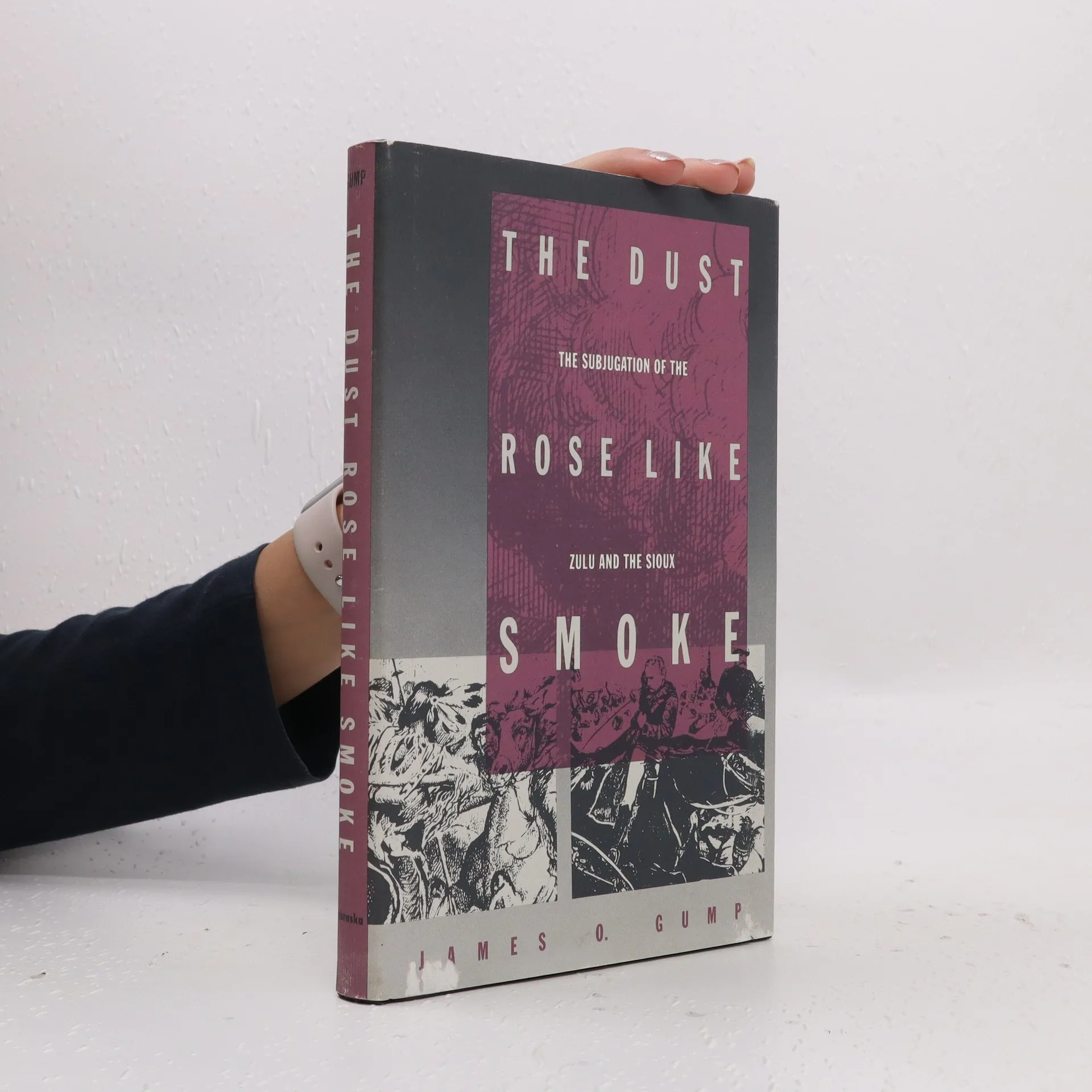
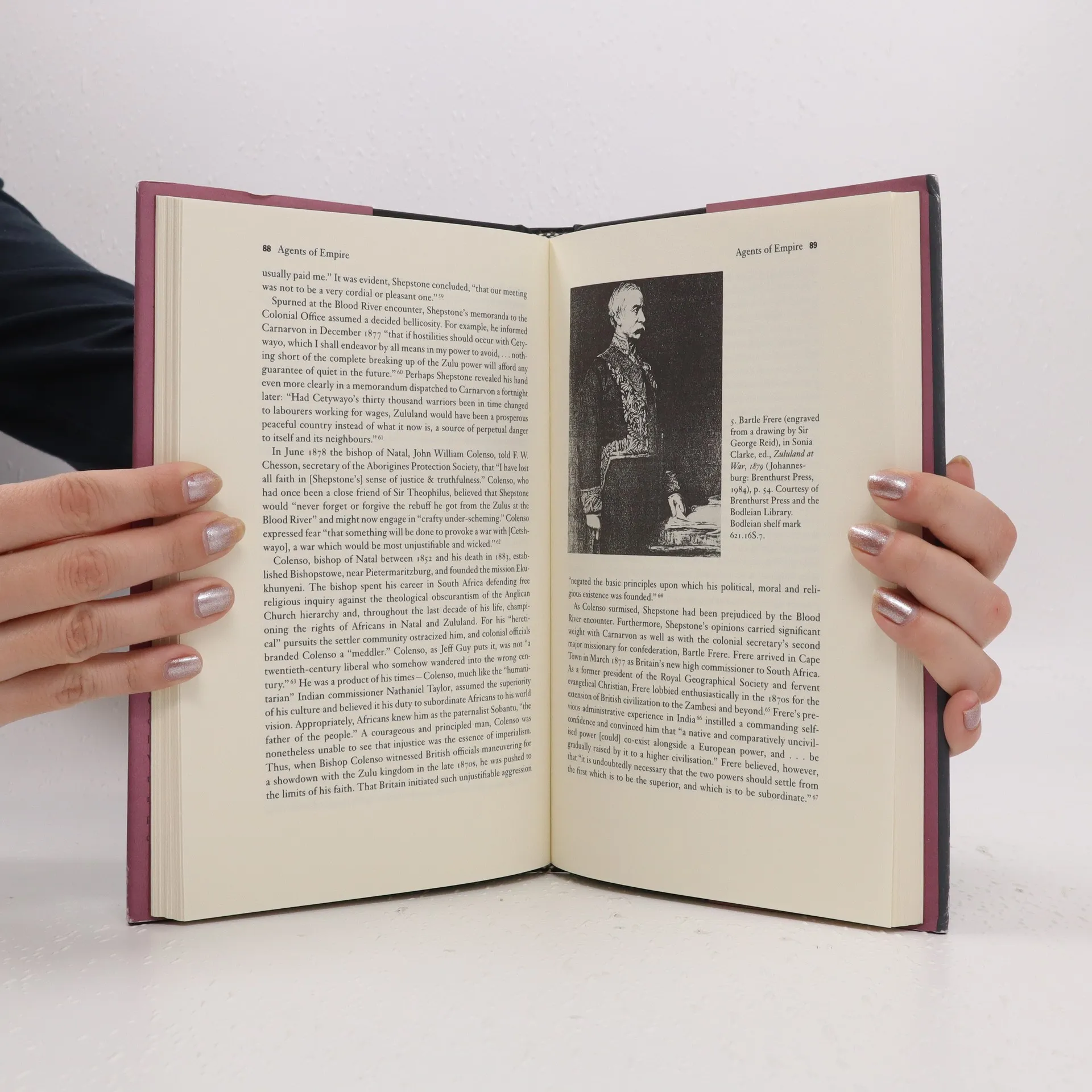
In 1876 Sioux and Cheyenne warriors annihilated Custer’s Seventh Cavalry on the Little Bighorn. Three years later and half a world away, a British force was wiped out by Zulu warriors at Isandhlwana in South Africa. In both cases the total defeat of regular army troops by forces regarded as undisciplined barbarian tribesmen stunned an imperial nation. The similarities between the two frontier encounters have long been noted, but James O. Gump is the first to scrutinize them in a comparative context. “This study issues a challenge to American exceptionalism,” he writes. Viewing both episodes as part of a global pattern of intensified conflict in the latter 1800s resulting from Western domination over a vast portion of the globe, he persuasively traces the comparisons in their origins and aftermath.
Nákup knihy
The dust rose like smoke, James O. Gump
- Jazyk

- Rok vydania
- 1994
- Väzba
- (pevná)
Doručenie
Platobné metódy
Tu nám chýba tvoja recenzia
- Titul
- The dust rose like smoke
- Jazyk
- anglicky
- Autori
- James O. Gump
- Vydavateľ
- University of Nebraska Press
- Rok vydania
- 1994
- Väzba
- pevná
- Počet strán
- 178
- ISBN10
- 0803221525
- ISBN13
- 9780803221529
- Série
- Štítky
- Historické téma, Škola
- Hodnotenie
- 3,25 z 5
- Anotácia
- In 1876 Sioux and Cheyenne warriors annihilated Custer’s Seventh Cavalry on the Little Bighorn. Three years later and half a world away, a British force was wiped out by Zulu warriors at Isandhlwana in South Africa. In both cases the total defeat of regular army troops by forces regarded as undisciplined barbarian tribesmen stunned an imperial nation. The similarities between the two frontier encounters have long been noted, but James O. Gump is the first to scrutinize them in a comparative context. “This study issues a challenge to American exceptionalism,” he writes. Viewing both episodes as part of a global pattern of intensified conflict in the latter 1800s resulting from Western domination over a vast portion of the globe, he persuasively traces the comparisons in their origins and aftermath.