

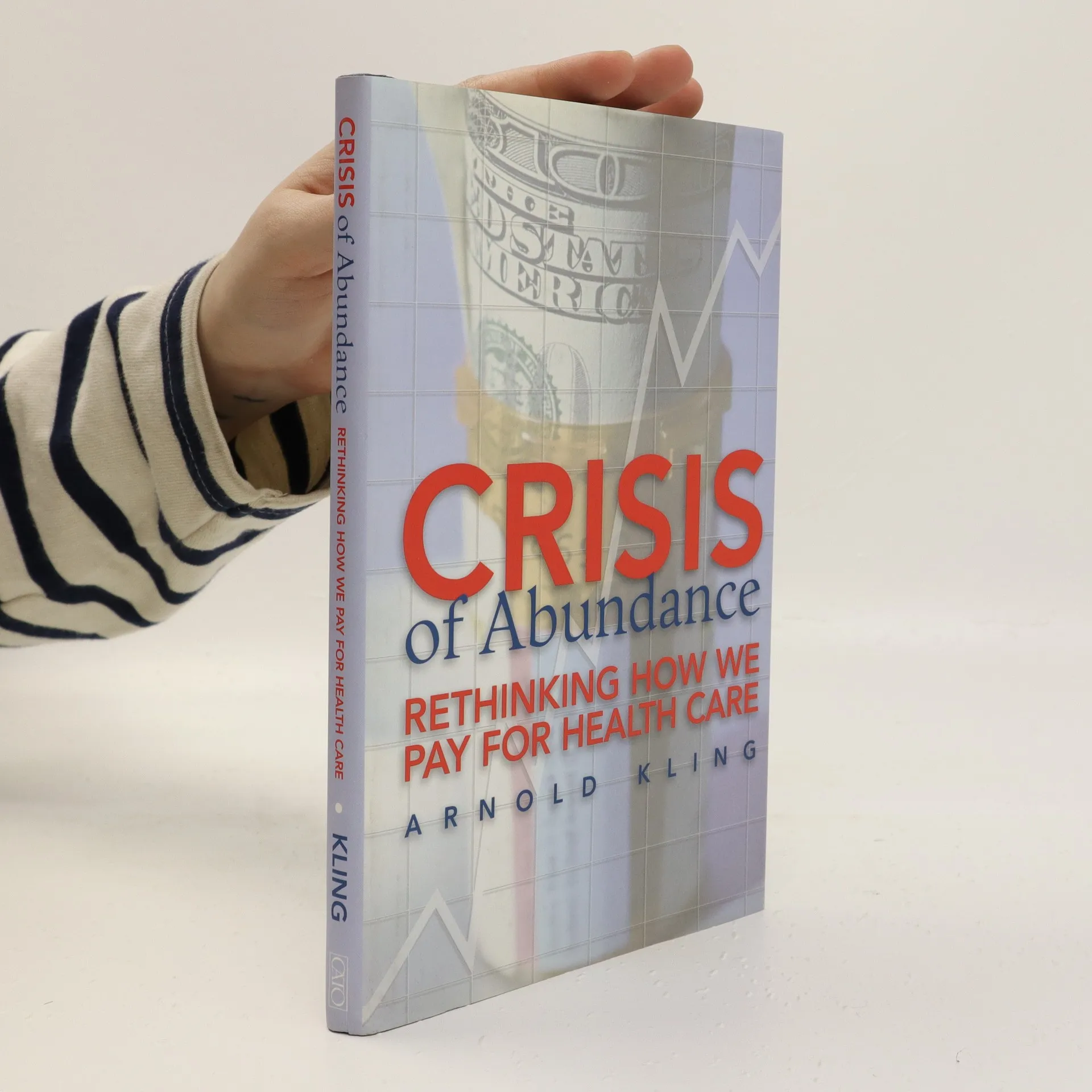


Crisis of abundance : rethinking how we pay for health care
Autori
Hodnotenie knihy
Viac o knihe
In Crisis of Rethinking How We Pay for Health Care, economist Arnold Kling argues that the way we finance health care matches neither the needs of patients nor the way medicine is practiced. The availability of premium medicine, combined with patients who are insulated from costs, means Americans are not getting maximum value per dollar spent. Using basic economic concepts, Kling demonstrates that a greater reliance on private saving and market innovation would eliminate waste, contain health care costs and improve the quality of care. Kling proposes gradually shifting responsibility for health care for the elderly away from taxpayers and back to the individual. The idea of matching the health care funding system to needs is very simple, Kling writes. The very poor and the very sick need help paying for health care. The rest of us do not.
Nákup knihy
Crisis of abundance : rethinking how we pay for health care, Arnold S. Kling
- Jazyk

- Rok vydania
- 2006
- Väzba
- (pevná)
Doručenie
Platobné metódy
Tu nám chýba tvoja recenzia
- Titul
- Crisis of abundance : rethinking how we pay for health care
- Jazyk
- anglicky
- Autori
- Arnold S. Kling
- Vydavateľ
- Cato Institute
- Rok vydania
- 2006
- Väzba
- pevná
- Počet strán
- 120
- ISBN10
- 1930865899
- ISBN13
- 9781930865891
- Série
- Kategórie
- Hodnotenie
- 3,95 z 5
- Anotácia
- In Crisis of Rethinking How We Pay for Health Care, economist Arnold Kling argues that the way we finance health care matches neither the needs of patients nor the way medicine is practiced. The availability of premium medicine, combined with patients who are insulated from costs, means Americans are not getting maximum value per dollar spent. Using basic economic concepts, Kling demonstrates that a greater reliance on private saving and market innovation would eliminate waste, contain health care costs and improve the quality of care. Kling proposes gradually shifting responsibility for health care for the elderly away from taxpayers and back to the individual. The idea of matching the health care funding system to needs is very simple, Kling writes. The very poor and the very sick need help paying for health care. The rest of us do not.