

Viac o knihe
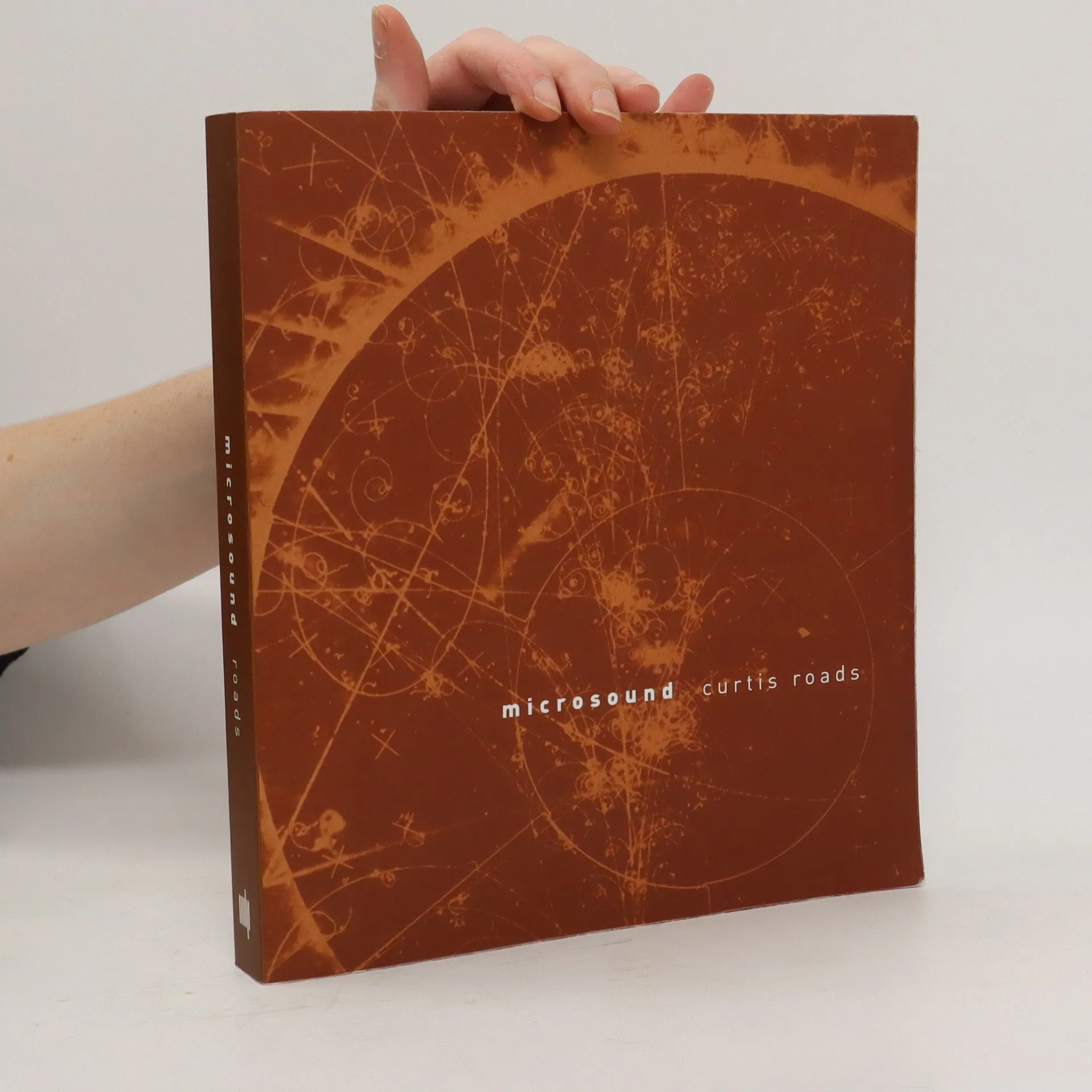
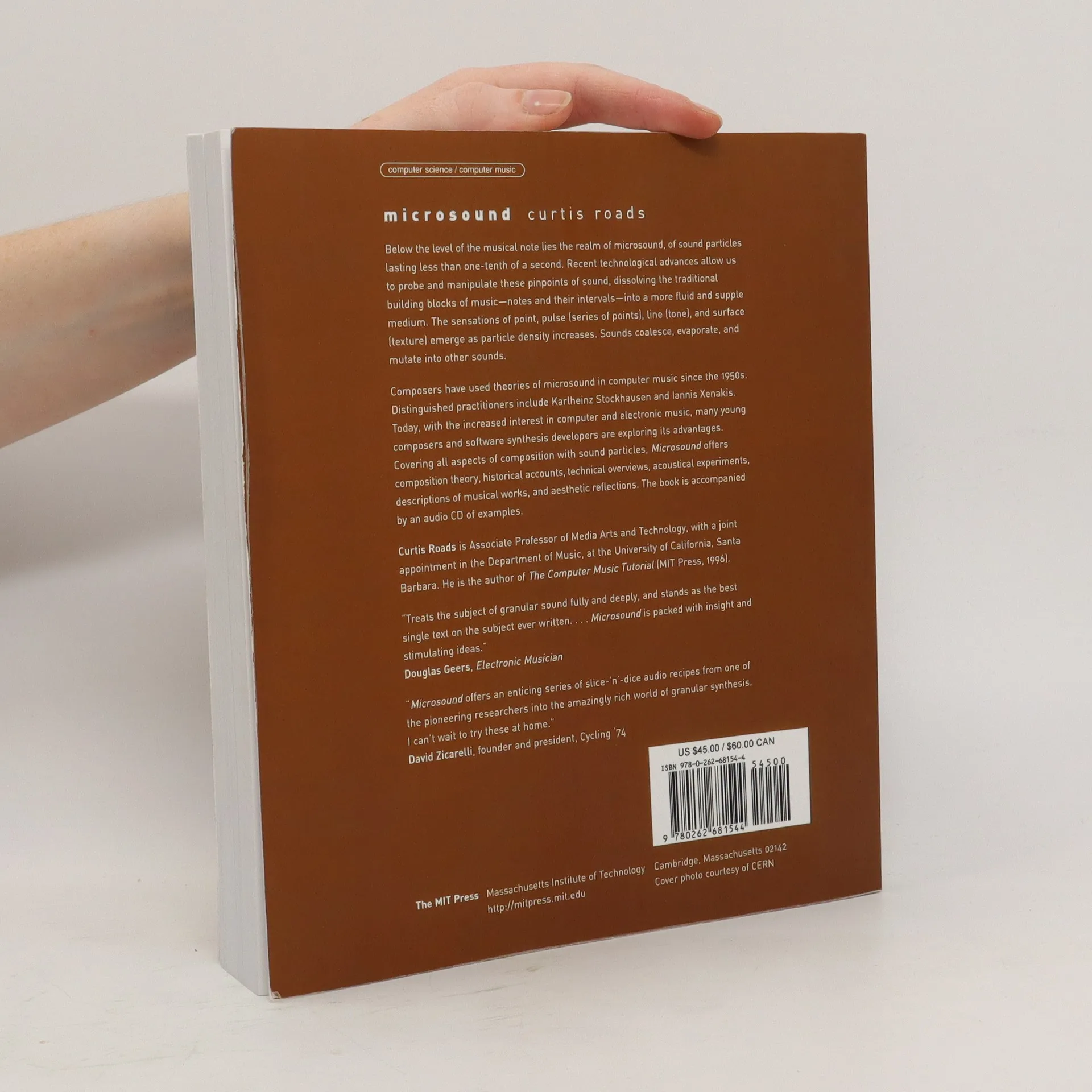
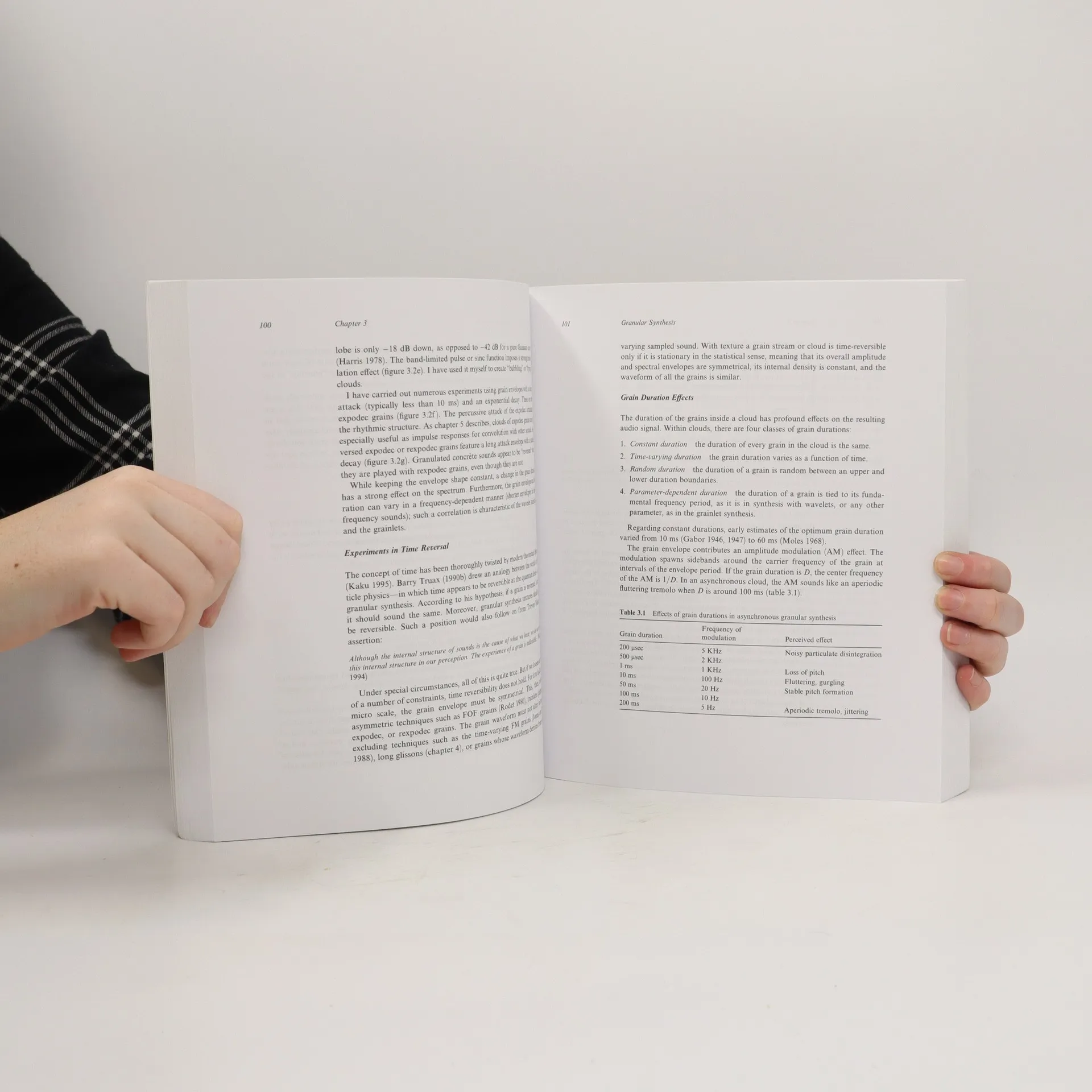
Below the level of the musical note lies the realm of microsound, of sound particles lasting less than one-tenth of a second. Recent technological advances allow us to probe and manipulate these pinpoints of sound, dissolving the traditional building blocks of music—notes and their intervals—into a more fluid and supple medium. The sensations of point, pulse (series of points), line (tone), and surface (texture) emerge as particle density increases. Sounds coalesce, evaporate, and mutate into other sounds. Composers have used theories of microsound in computer music since the 1950s. Distinguished practitioners include Karlheinz Stockhausen and Iannis Xenakis. Today, with the increased interest in computer and electronic music, many young composers and software synthesis developers are exploring its advantages. Covering all aspects of composition with sound particles, Microsound offers composition theory, historical accounts, technical overviews, acoustical experiments, descriptions of musical works, and aesthetic reflections.
Nákup knihy
Microsound, Curtis Roads
- Jazyk

- Rok vydania
- 2001
- Väzba
- (mäkká)
Tu nám chýba tvoja recenzia
- Titul
- Microsound
- Jazyk
- anglicky
- Autori
- Curtis Roads
- Vydavateľ
- MIT Press
- Rok vydania
- 2001
- Väzba
- mäkká
- Počet strán
- 423
- ISBN10
- 0262681544
- ISBN13
- 9780262681544
- Série
- Kategórie
- Štítky
- Umenie, Hudobná tematika, Veda, Technológia
- Hodnotenie
- 4,25 z 5
- Anotácia
- Below the level of the musical note lies the realm of microsound, of sound particles lasting less than one-tenth of a second. Recent technological advances allow us to probe and manipulate these pinpoints of sound, dissolving the traditional building blocks of music—notes and their intervals—into a more fluid and supple medium. The sensations of point, pulse (series of points), line (tone), and surface (texture) emerge as particle density increases. Sounds coalesce, evaporate, and mutate into other sounds. Composers have used theories of microsound in computer music since the 1950s. Distinguished practitioners include Karlheinz Stockhausen and Iannis Xenakis. Today, with the increased interest in computer and electronic music, many young composers and software synthesis developers are exploring its advantages. Covering all aspects of composition with sound particles, Microsound offers composition theory, historical accounts, technical overviews, acoustical experiments, descriptions of musical works, and aesthetic reflections.