


Viac o knihe
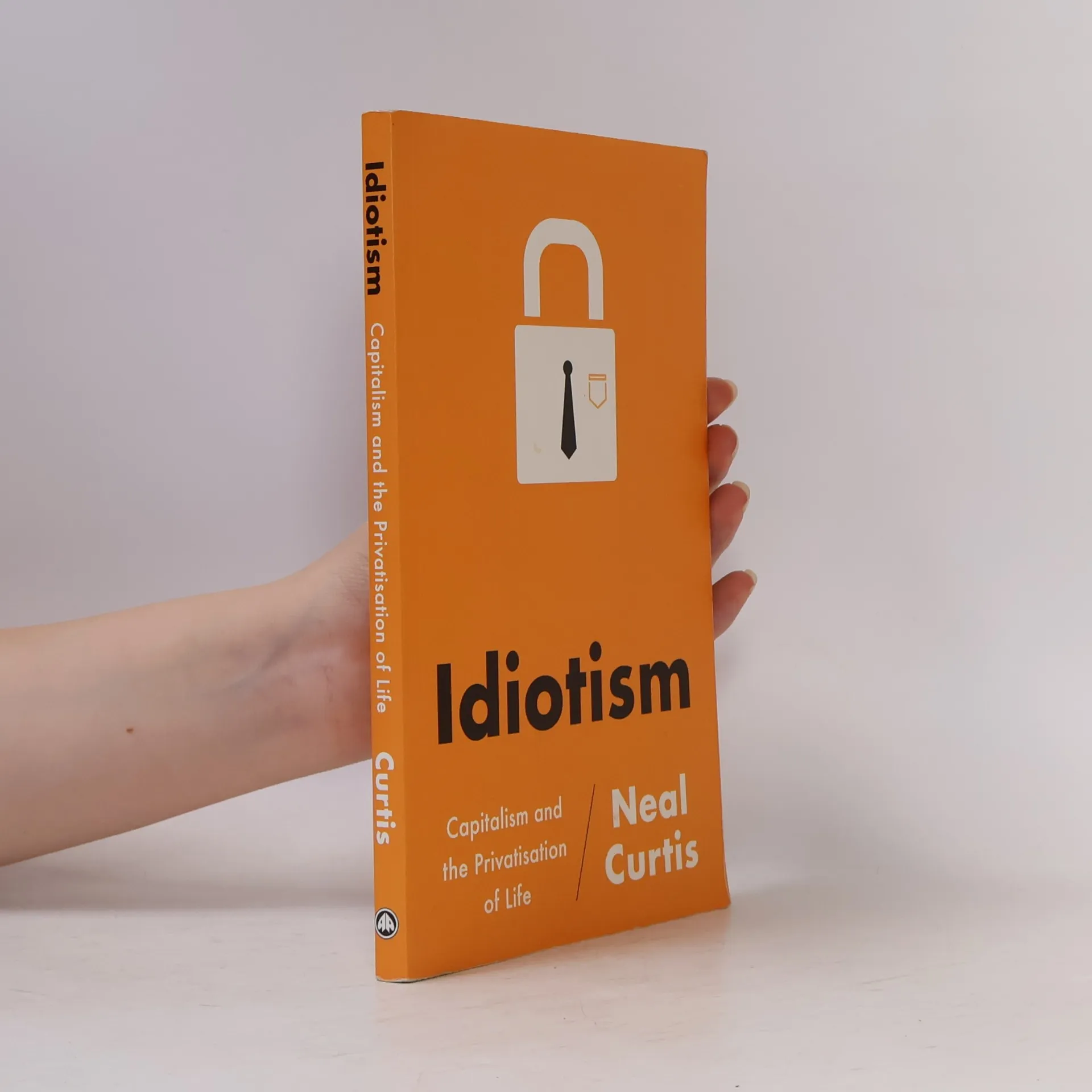
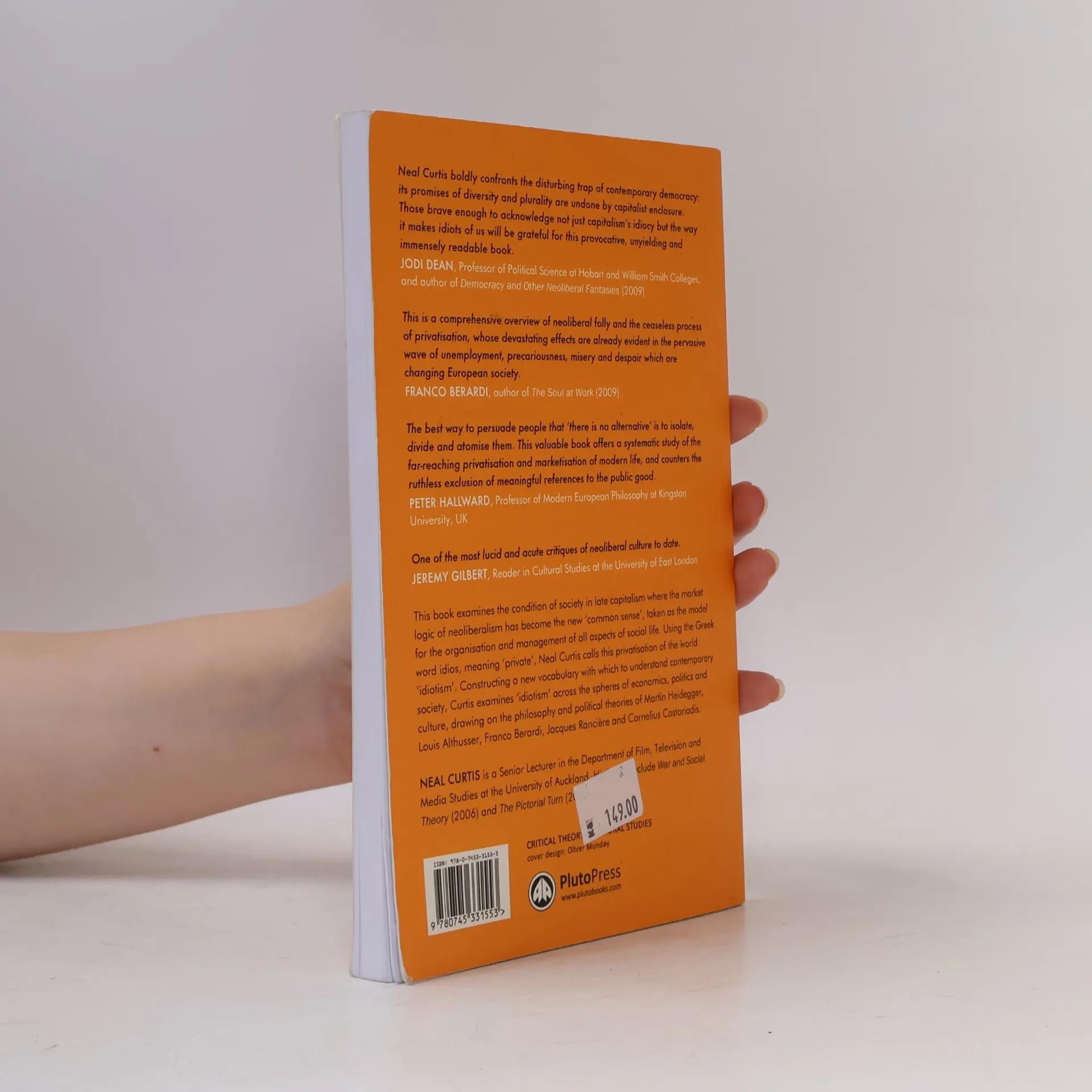
Idiotism examines the condition of society in late capitalism where the market logic of neoliberalism has become the new "common sense," taken as the model for the organization and management of all aspects of social life. Using the Greek word idios, meaning "private," Neal Curtis calls this privatization of the world "idiotism."Constructing a new vocabulary with which to understand contemporary society, Curtis examines "idiotism" across the spheres of economics, politics, and culture, drawing on the philosophy and political theories of Martin Heidegger, Louis Althusser, Franco Berardi, Jacques Rancière, and Cornelius Castoriadis. Idiotism recasts our conception of the new neoliberal "common sense," presenting it as not simply a case of false consciousness, but an ontological problem related to our being-in-the-world.
Nákup knihy
Idiotism : capitalism and the privatisation of life, Neal Curtis
- Jazyk

- Rok vydania
- 2013
- Väzba
- (mäkká),
- Stav knihy
- Dobrá
- Cena
- 7,99 €
Tu nám chýba tvoja recenzia
- Titul
- Idiotism : capitalism and the privatisation of life
- Jazyk
- anglicky
- Autori
- Neal Curtis
- Vydavateľ
- Pluto Press
- Rok vydania
- 2013
- Väzba
- mäkká
- Počet strán
- 184
- ISBN10
- 0745331556
- ISBN13
- 9780745331553
- Série
- Štítky
- Byznys
- Hodnotenie
- 4,05 z 5
- Anotácia
- Idiotism examines the condition of society in late capitalism where the market logic of neoliberalism has become the new "common sense," taken as the model for the organization and management of all aspects of social life. Using the Greek word idios, meaning "private," Neal Curtis calls this privatization of the world "idiotism."Constructing a new vocabulary with which to understand contemporary society, Curtis examines "idiotism" across the spheres of economics, politics, and culture, drawing on the philosophy and political theories of Martin Heidegger, Louis Althusser, Franco Berardi, Jacques Rancière, and Cornelius Castoriadis. Idiotism recasts our conception of the new neoliberal "common sense," presenting it as not simply a case of false consciousness, but an ontological problem related to our being-in-the-world.