

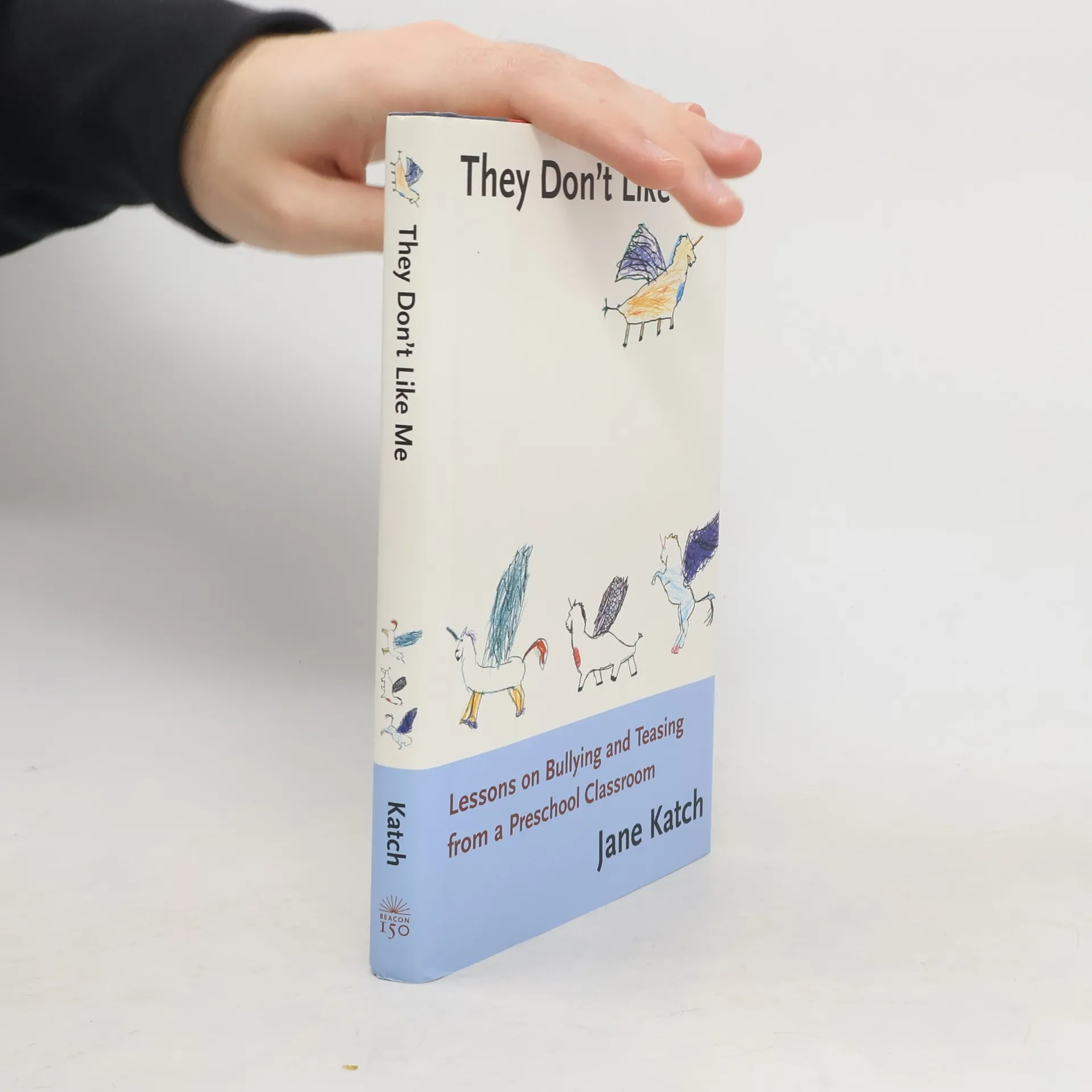
They Don't Like Me
Lessons on Bullying and Teasing from a Preschool Classroom
Autori
Viac o knihe
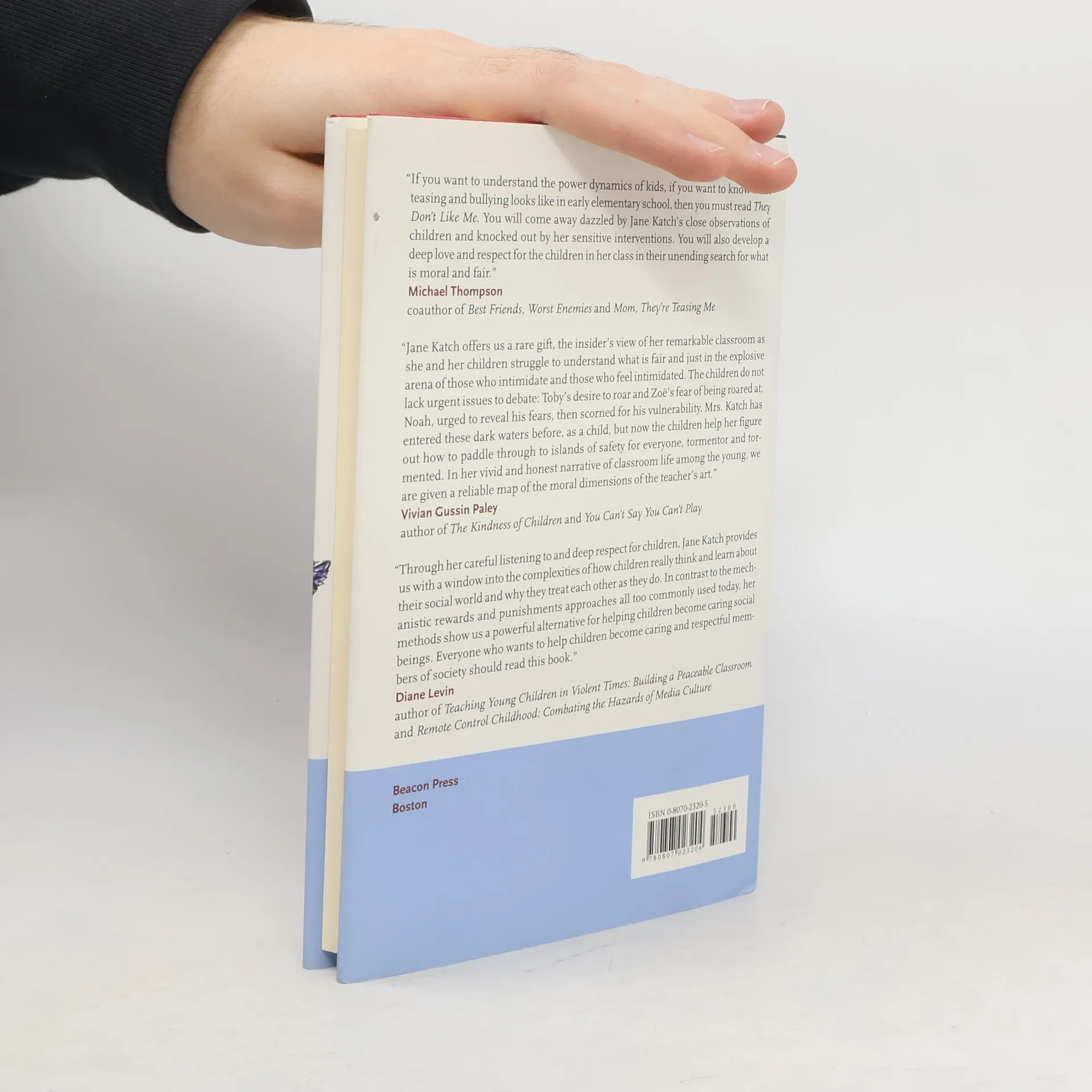
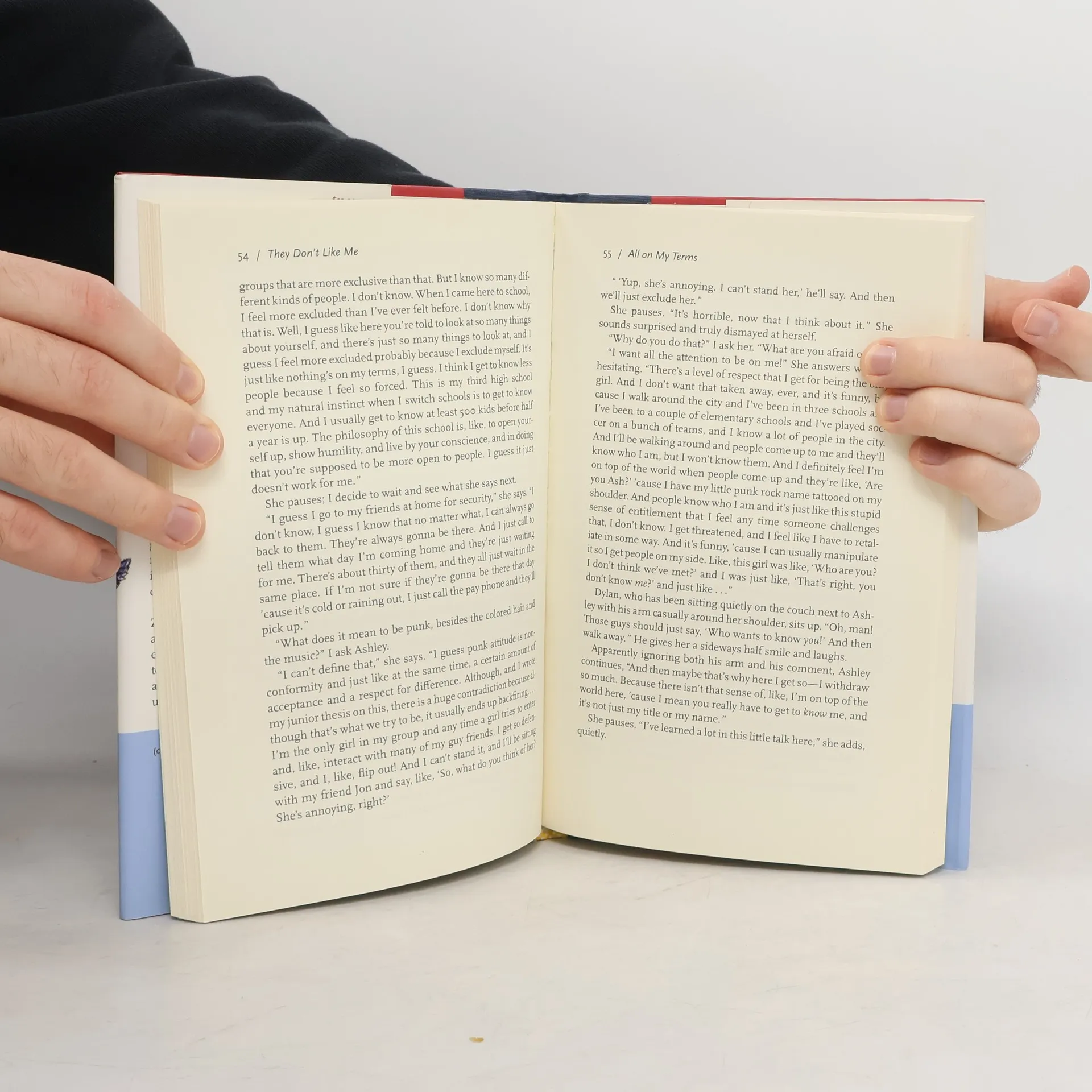
In her new book, Jane Katch delves into the complex issues of bullying, teasing, and exclusion among young children. She questions why a child, newly aware of social dynamics, feels compelled to exclude others and whether it's possible to foster inclusive social groups. Observing her class of four- and five-year-olds, Katch documents the formation of exclusionary groups and her efforts to intervene. Guided by a rule inspired by Vivian Paley's work—"You can't say you can't play"—the classroom initially thrives on inclusivity. However, the arrival of a new student, Zoë, complicates matters. With her vibrant imagination but also her fear of losing her place, Zoë struggles to fit in, insisting that games adhere to her preferences. Katch's experiences with Zoë prompt her to explore the deeper reasons behind exclusionary behavior. Through conversations with her brother, who teased her in childhood, high school students, and her own class, Katch gains insights into the motivations for bullying and scapegoating. This book offers a captivating exploration of children's social lives while providing valuable guidance for teachers and parents on preventing exclusion and supporting those affected by teasing and bullying.
Nákup knihy
They Don't Like Me, Jane Katch
- Jazyk

- Rok vydania
- 2003
- Väzba
- (pevná)
Doručenie
Platobné metódy
Nikto zatiaľ neohodnotil.
- Titul
- They Don't Like Me
- Podtitul
- Lessons on Bullying and Teasing from a Preschool Classroom
- Jazyk
- anglicky
- Autori
- Jane Katch
- Vydavateľ
- Beacon Press
- Rok vydania
- 2003
- Väzba
- pevná
- Počet strán
- 144
- ISBN10
- 0807023205
- ISBN13
- 9780807023204
- Série
- Štítky
- Rodičovstvo
- Anotácia
- In her new book, Jane Katch delves into the complex issues of bullying, teasing, and exclusion among young children. She questions why a child, newly aware of social dynamics, feels compelled to exclude others and whether it's possible to foster inclusive social groups. Observing her class of four- and five-year-olds, Katch documents the formation of exclusionary groups and her efforts to intervene. Guided by a rule inspired by Vivian Paley's work—"You can't say you can't play"—the classroom initially thrives on inclusivity. However, the arrival of a new student, Zoë, complicates matters. With her vibrant imagination but also her fear of losing her place, Zoë struggles to fit in, insisting that games adhere to her preferences. Katch's experiences with Zoë prompt her to explore the deeper reasons behind exclusionary behavior. Through conversations with her brother, who teased her in childhood, high school students, and her own class, Katch gains insights into the motivations for bullying and scapegoating. This book offers a captivating exploration of children's social lives while providing valuable guidance for teachers and parents on preventing exclusion and supporting those affected by teasing and bullying.