

Viac o knihe
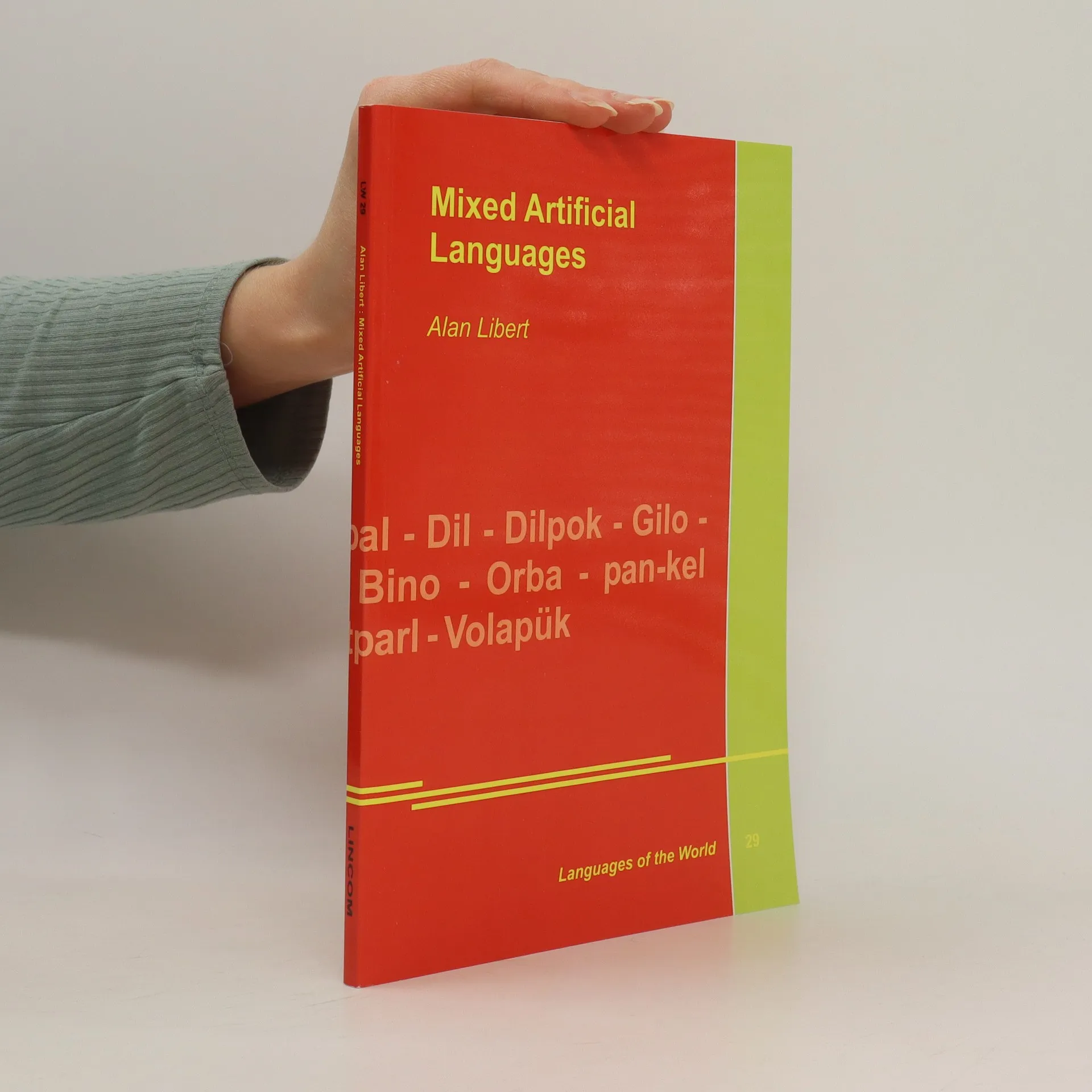
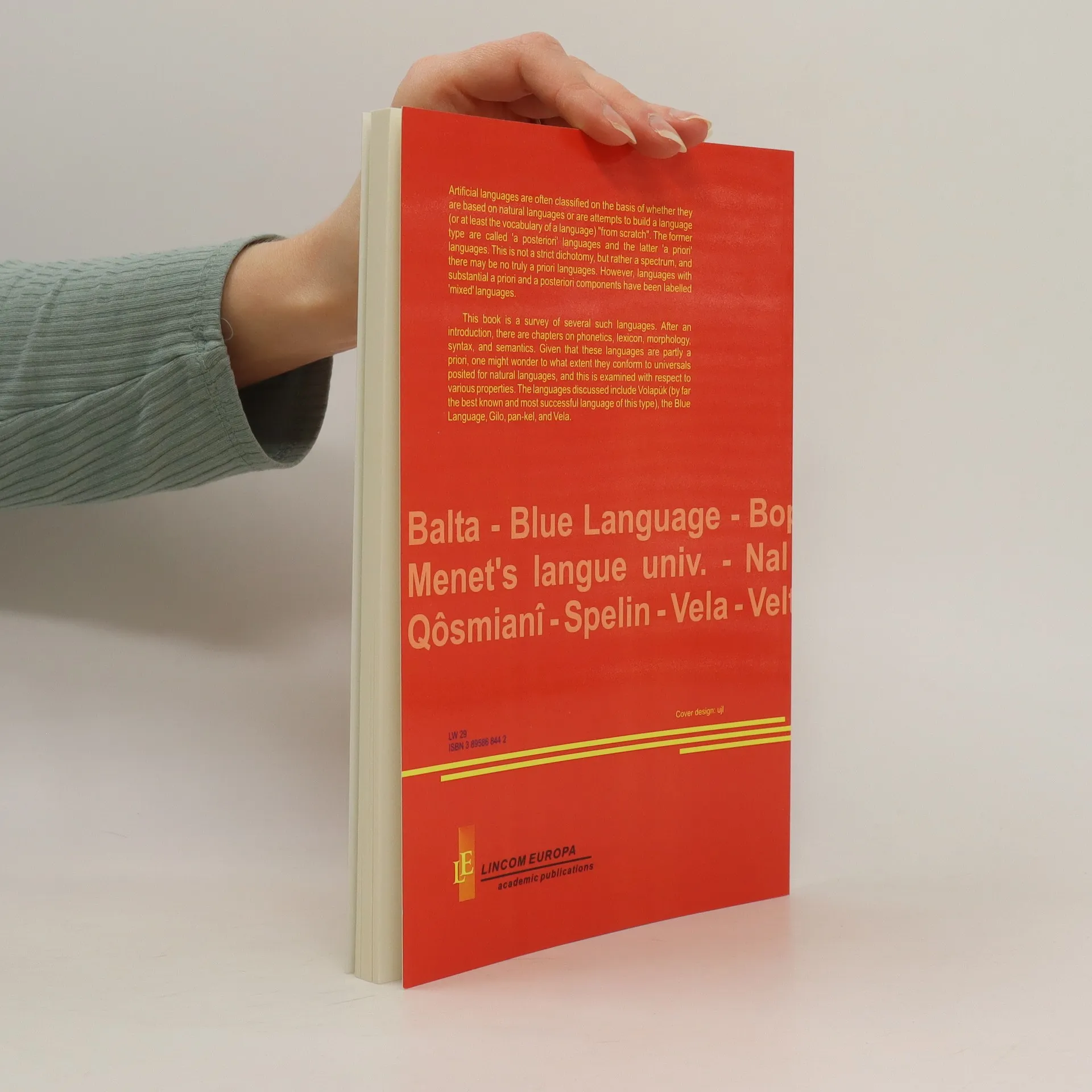
Artificial languages are often classified on the basis of whether they are based on natural languages or are attempts to build a language (or at least the vocabulary of a language) "from scratch". The former type are called 'a posteriori' languages and the latter 'a priori' languages. This is not a strict dichotomy, but rather a spectrum, and there may be no truly a priori languages. However, languages with substantial a priori and a posteriori components have been labelled 'mixed' languages. This book is a survey of several such languages. After an introduction, there are chapters on phonetics, lexicon, morphology, syntax, and semantics. Given that these languages are partly a priori, one might wonder to what extent they conform to universals posited for natural languages, and this is examined with respect to various properties. The languages discussed include Volapük (by far the best known and most successful language of this type), the Blue Language, Gilo, pan-kel, and Vela. ISBN 3895868442. Languages of the World 29. 110pp. 2003. Paperback.
Nákup knihy
Mixed Artificial Languages, Alan Libert
- Jazyk

- Rok vydania
- 2003
- Väzba
- (mäkká)
Doručenie
Platobné metódy
Nikto zatiaľ neohodnotil.
- Titul
- Mixed Artificial Languages
- Jazyk
- anglicky
- Autori
- Alan Libert
- Vydavateľ
- Spotlight Poets
- Rok vydania
- 2003
- Väzba
- mäkká
- Počet strán
- 106
- ISBN10
- 3895868442
- ISBN13
- 9783895868443
- Série
- Kategórie
- Anotácia
- Artificial languages are often classified on the basis of whether they are based on natural languages or are attempts to build a language (or at least the vocabulary of a language) "from scratch". The former type are called 'a posteriori' languages and the latter 'a priori' languages. This is not a strict dichotomy, but rather a spectrum, and there may be no truly a priori languages. However, languages with substantial a priori and a posteriori components have been labelled 'mixed' languages. This book is a survey of several such languages. After an introduction, there are chapters on phonetics, lexicon, morphology, syntax, and semantics. Given that these languages are partly a priori, one might wonder to what extent they conform to universals posited for natural languages, and this is examined with respect to various properties. The languages discussed include Volapük (by far the best known and most successful language of this type), the Blue Language, Gilo, pan-kel, and Vela. ISBN 3895868442. Languages of the World 29. 110pp. 2003. Paperback.