


Viac o knihe
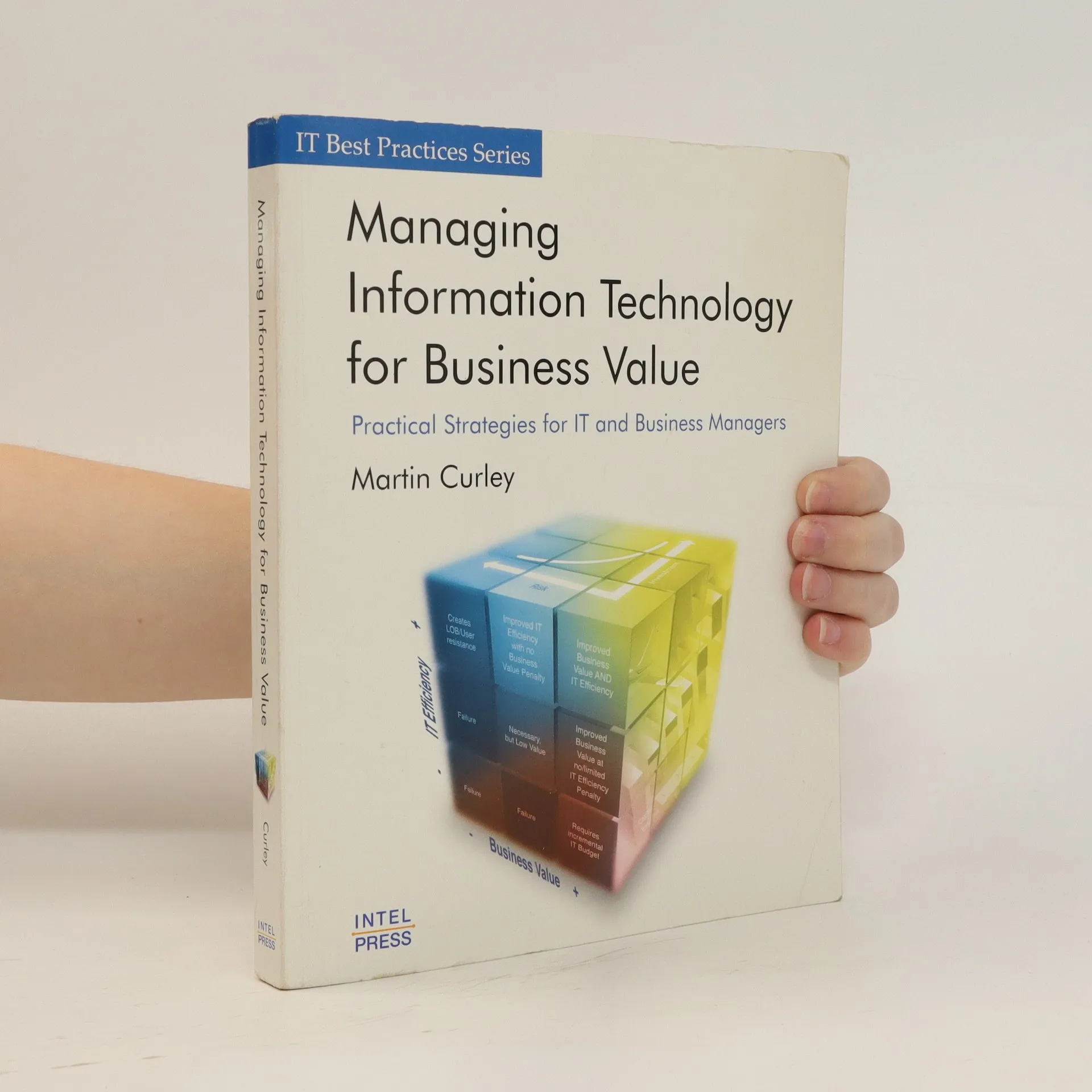
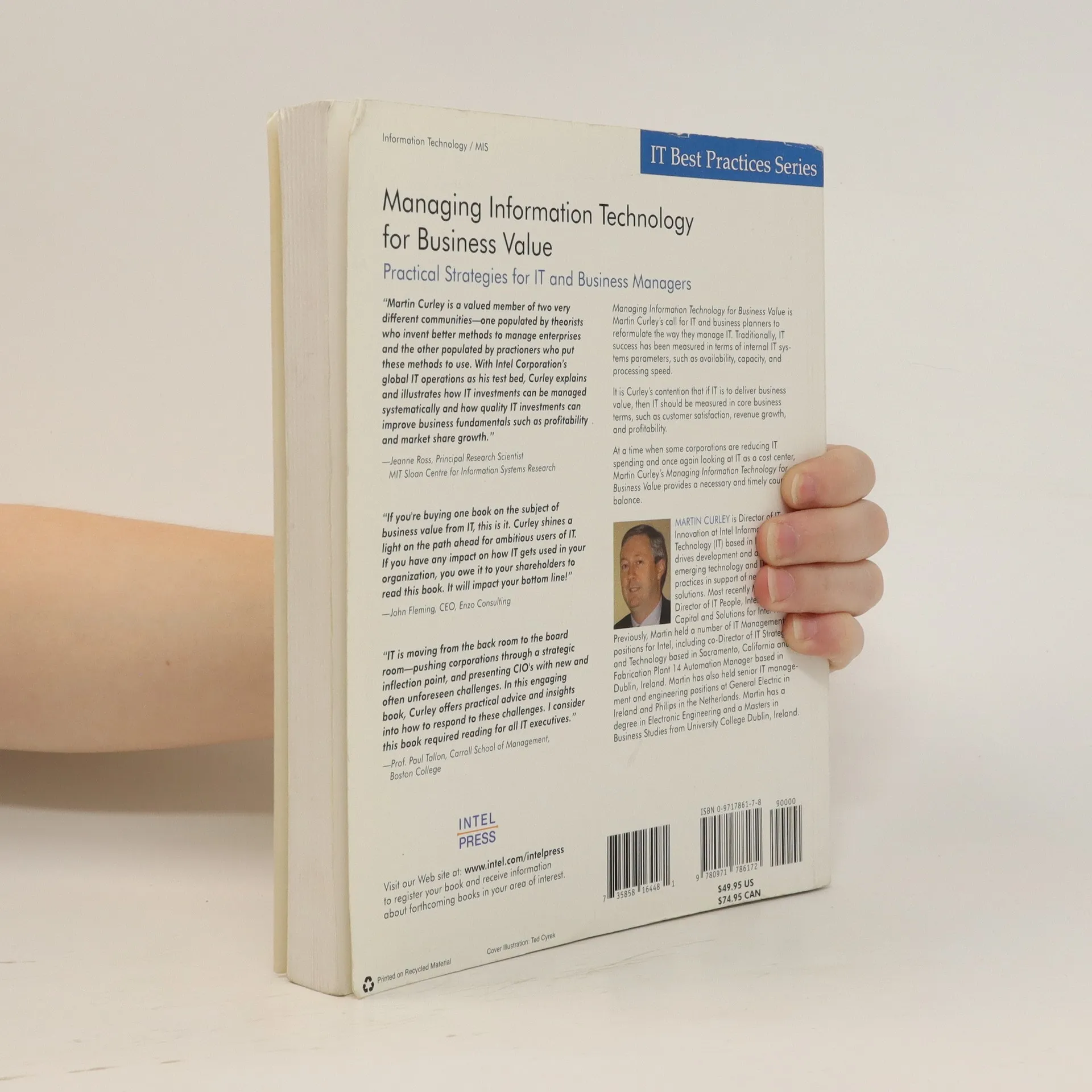
Annotation A call for IT and business managers to reformulate the way they manage IT, this book contends that if IT is to deliver business value, it should be measured in core business terms such as customer satisfaction, revenue growth, and profitability. Leading academic research and industry best practices are synthesized, and principles and strategies are presented for managing for optimum IT business value, the IT budget, and the IT organization's capability. In a time when IT spending is reduced and IT organizations are often perceived as cost centers, a necessary and timely counterbalance is provided, and the argument is made that IT investments can and should be linked directly to enterprise business indicators. Also discussed is how IT spending should improve corporate profitability and how the relationship between IT initiatives and business indicators should be explicit and empirical.
Nákup knihy
Managing Information Technology for Business Value, Martin Curley
- Jazyk

- Rok vydania
- 2005
- Väzba
- (mäkká)
Platobné metódy
Tu nám chýba tvoja recenzia
- Titul
- Managing Information Technology for Business Value
- Jazyk
- anglicky
- Autori
- Martin Curley
- Vydavateľ
- Intel Press
- Rok vydania
- 2005
- Väzba
- mäkká
- Počet strán
- 350
- ISBN10
- 0971786178
- ISBN13
- 9780971786172
- Série
- Zbierka
- IT best practices series
- Hodnotenie
- 3,8 z 5
- Anotácia
- Annotation A call for IT and business managers to reformulate the way they manage IT, this book contends that if IT is to deliver business value, it should be measured in core business terms such as customer satisfaction, revenue growth, and profitability. Leading academic research and industry best practices are synthesized, and principles and strategies are presented for managing for optimum IT business value, the IT budget, and the IT organization's capability. In a time when IT spending is reduced and IT organizations are often perceived as cost centers, a necessary and timely counterbalance is provided, and the argument is made that IT investments can and should be linked directly to enterprise business indicators. Also discussed is how IT spending should improve corporate profitability and how the relationship between IT initiatives and business indicators should be explicit and empirical.