

Viac o knihe
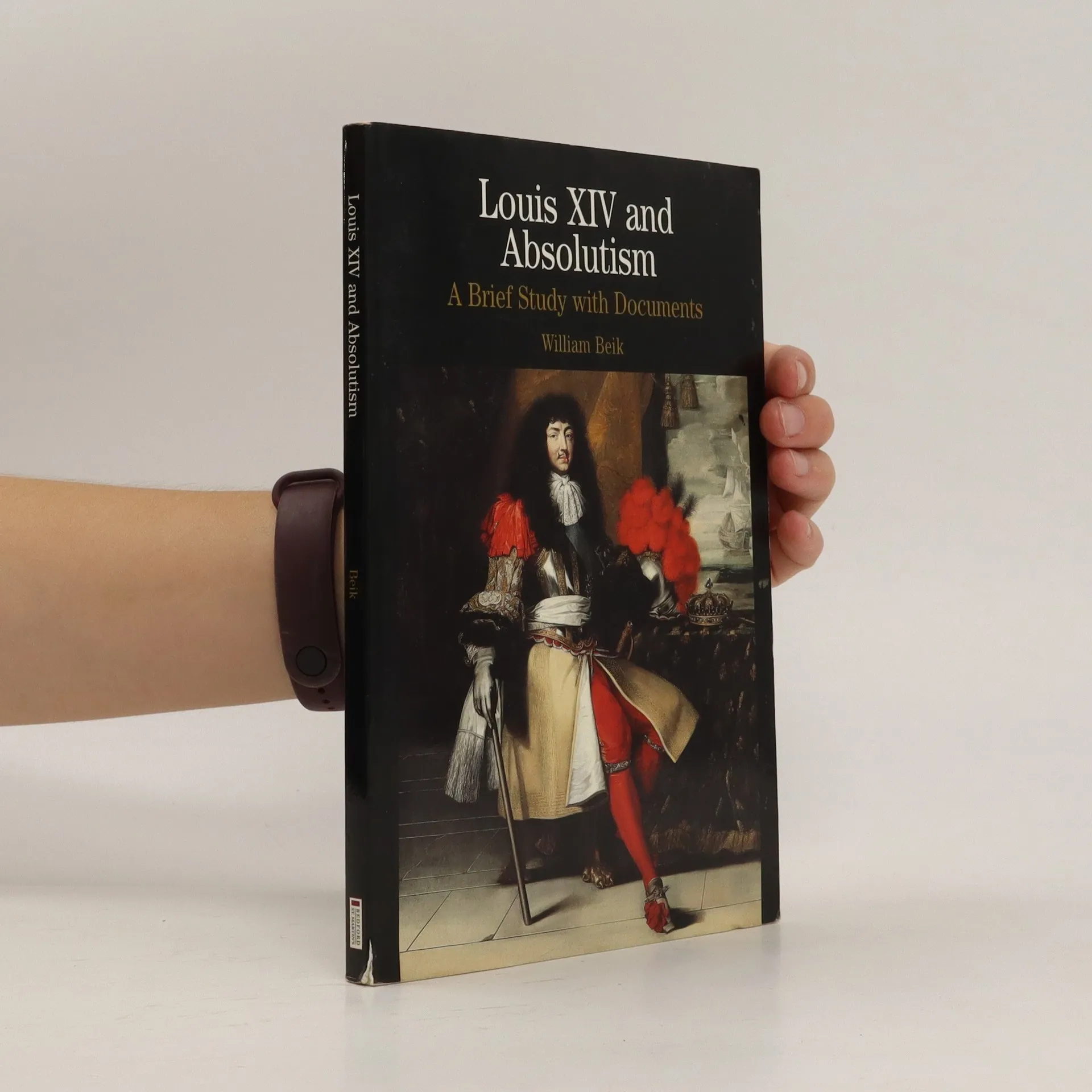
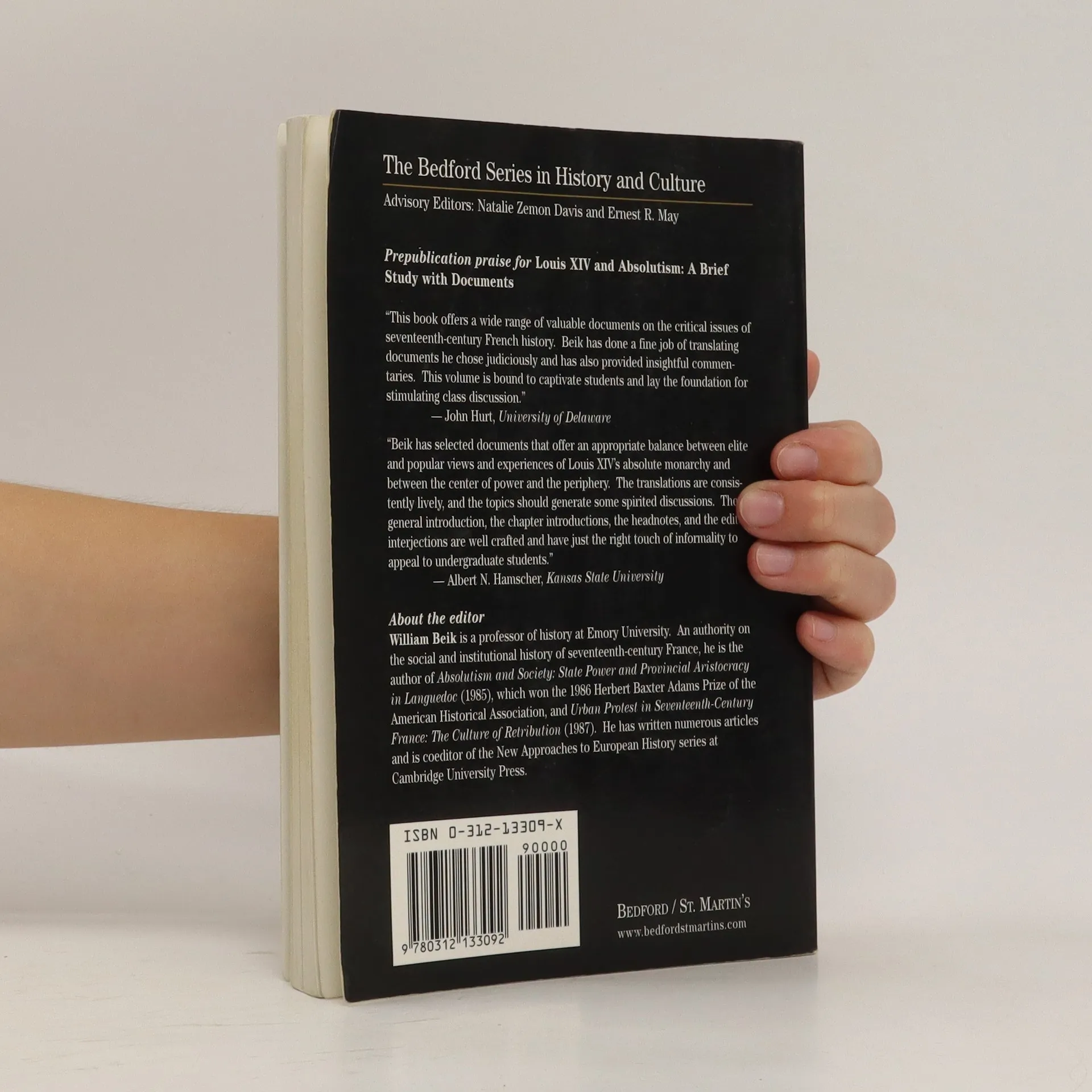
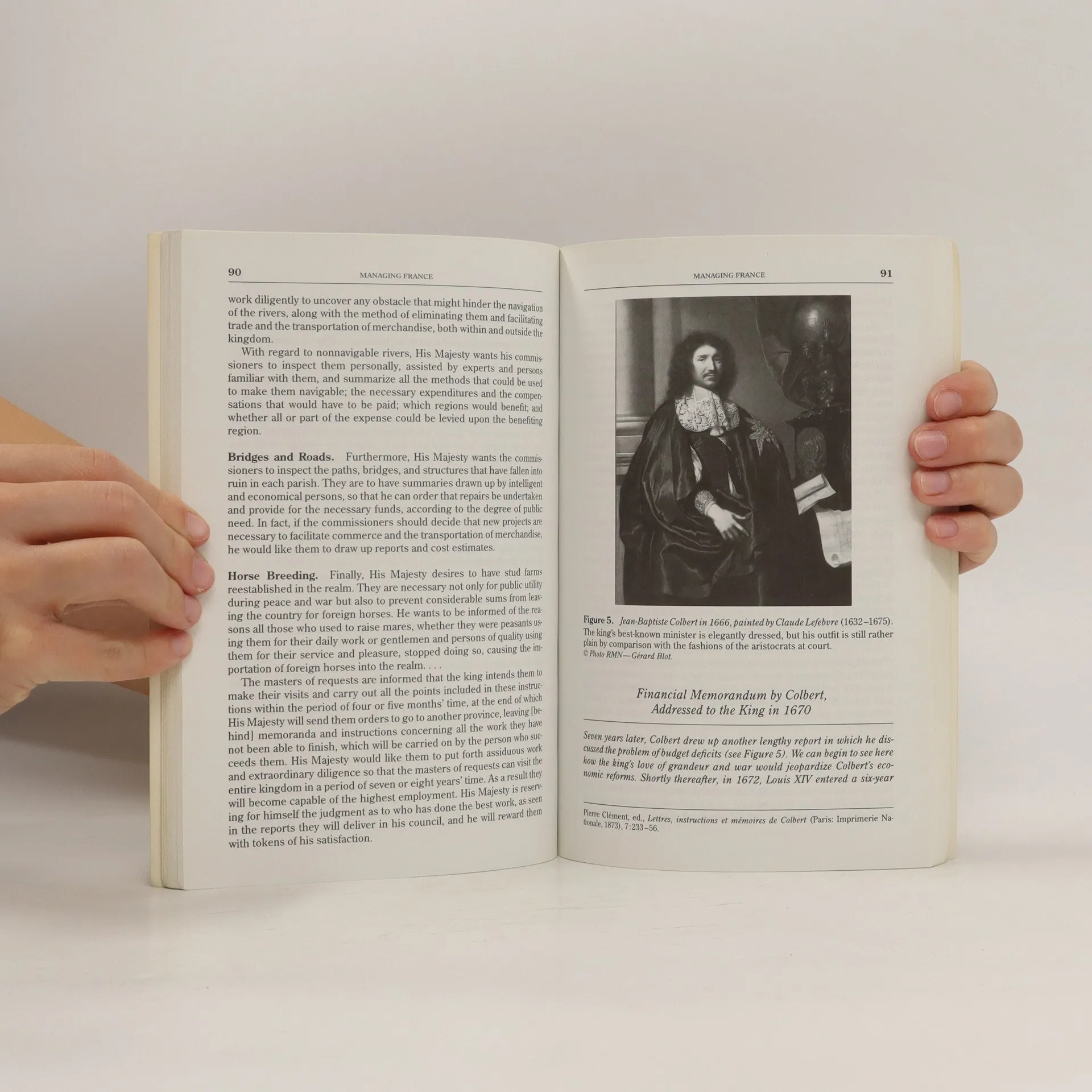
This unique collection of documents with commentary explores the meaning of absolute monarchy by examining how Louis XIV of France became one of Europe’s most famous and successful rulers. In the introduction, William Beik succinctly integrates the theoretical and practical nature of absolutism and its implications for the development of European states and society. The documents, newly translated and carefully selected for their readability, examine the problems of the Fronde, Colbert’s grasp of the economic and fiscal dimensions of the kingdom, the taming of the rural nobility, the interaction of royal ministers and provincial authorities, the repression of Jansenists and Protestants, popular rebellions, and royal image-making. Explanatory notes, a chronology, a map, a geneaology chart, and 9 striking images further strengthen this volume’s usefulness in the undergraduate classroom.
Nákup knihy
Louis XIV and Absolutism : A Brief Study with Documents, Beik William
- Jazyk

- Rok vydania
- 2000
- Väzba
- (mäkká)
Doručenie
Platobné metódy
Tu nám chýba tvoja recenzia
- Titul
- Louis XIV and Absolutism : A Brief Study with Documents
- Jazyk
- anglicky
- Autori
- Beik William
- Vydavateľ
- Bedford
- Rok vydania
- 2000
- Väzba
- mäkká
- Počet strán
- 247
- ISBN10
- 031213309x
- ISBN13
- 9780312133092
- Série
- Hodnotenie
- 3,85 z 5
- Anotácia
- This unique collection of documents with commentary explores the meaning of absolute monarchy by examining how Louis XIV of France became one of Europe’s most famous and successful rulers. In the introduction, William Beik succinctly integrates the theoretical and practical nature of absolutism and its implications for the development of European states and society. The documents, newly translated and carefully selected for their readability, examine the problems of the Fronde, Colbert’s grasp of the economic and fiscal dimensions of the kingdom, the taming of the rural nobility, the interaction of royal ministers and provincial authorities, the repression of Jansenists and Protestants, popular rebellions, and royal image-making. Explanatory notes, a chronology, a map, a geneaology chart, and 9 striking images further strengthen this volume’s usefulness in the undergraduate classroom.