

Viac o knihe
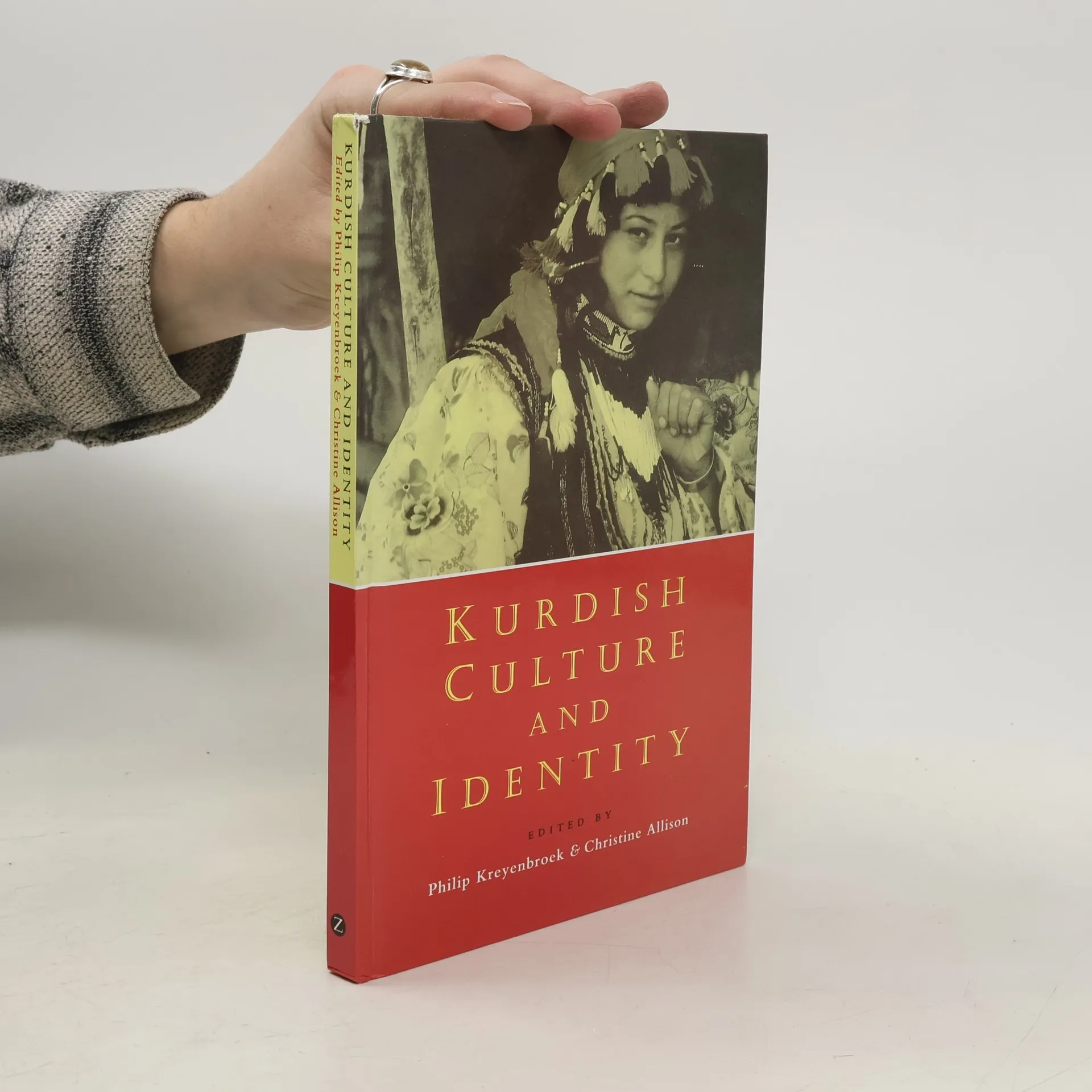
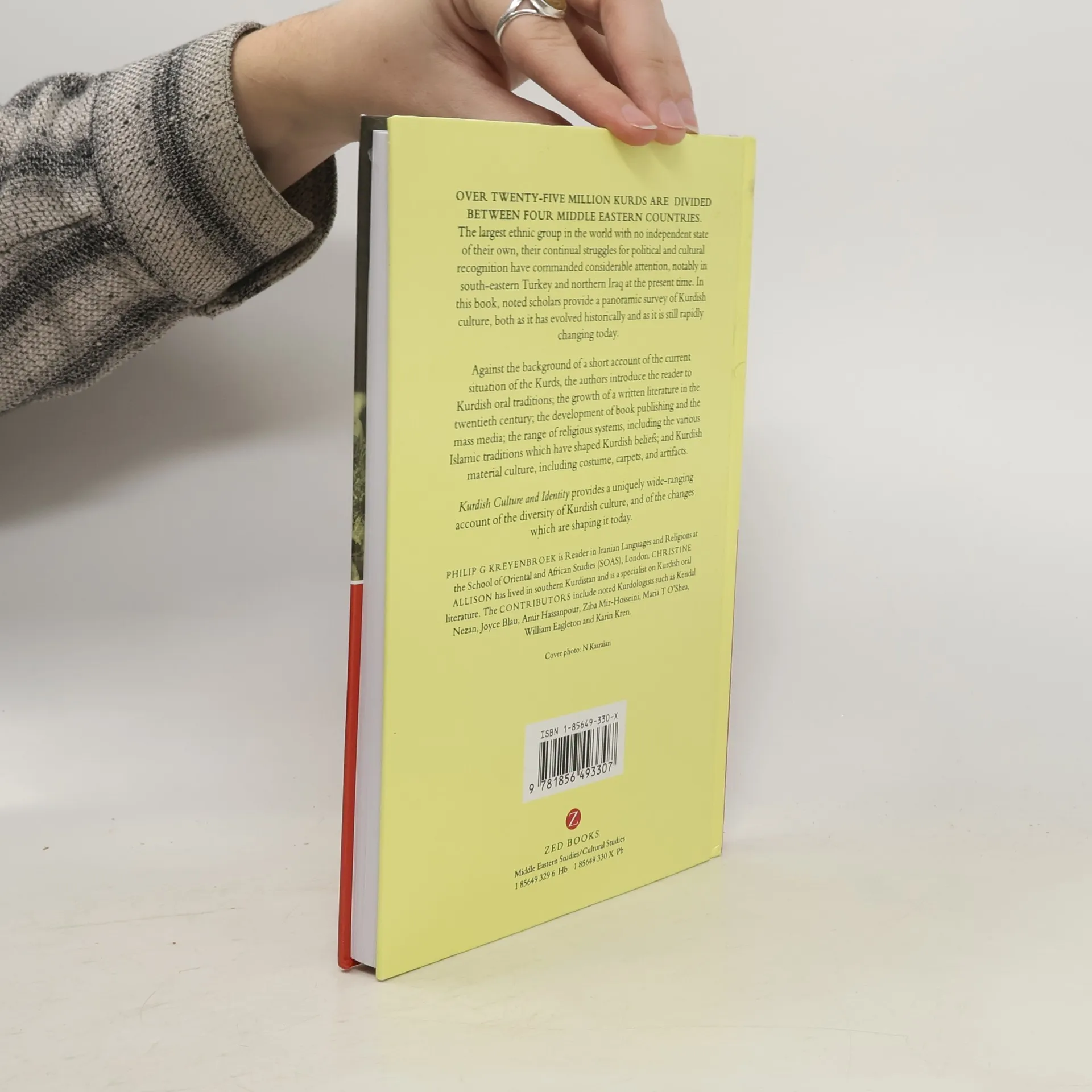
The more than 20 million Kurds in the Middle East are the largest nation in the world without their own independent state. Their struggles for international recognition may ultimately depend on their ability to convince the world that they have their own valid and mature identity. This survey of Kurdish culture describes the differences that exist in a community that is spread across four countries in the region - Iraq, Iran, Turkey and Syria - and recognizes that Kurdish culture is changing. Successive chapters deal with Kurdistan's written literature and oral tradition, the development of book publishing and other modern media, the range of Islamic and other religious beliefs that have shaped Kurdish identity, and Kurdish material culture including costumes, carpets and the everyday objects of village life.
Nákup knihy
Kurdish Culture and Identity, Christine Allison, Philip Kreyenbrock
- Jazyk

- Rok vydania
- 1996
- Väzba
- (pevná)
Doručenie
Platobné metódy
Tu nám chýba tvoja recenzia
- Titul
- Kurdish Culture and Identity
- Jazyk
- anglicky
- Rok vydania
- 1996
- Väzba
- pevná
- Počet strán
- 184
- ISBN10
- 185649330X
- ISBN13
- 9781856493307
- Série
- Štítky
- Historické téma
- Hodnotenie
- 3,9 z 5
- Anotácia
- The more than 20 million Kurds in the Middle East are the largest nation in the world without their own independent state. Their struggles for international recognition may ultimately depend on their ability to convince the world that they have their own valid and mature identity. This survey of Kurdish culture describes the differences that exist in a community that is spread across four countries in the region - Iraq, Iran, Turkey and Syria - and recognizes that Kurdish culture is changing. Successive chapters deal with Kurdistan's written literature and oral tradition, the development of book publishing and other modern media, the range of Islamic and other religious beliefs that have shaped Kurdish identity, and Kurdish material culture including costumes, carpets and the everyday objects of village life.