



Viac o knihe
The essays collected in Governing Modern Societies arose from a lecture series of the same name held at Green College, University of British Columbia, in 1997 and 1998. Distinguished scholars in political science, philosophy, sociology, and economics from Canada, the United States, England, Germany, and Australia advance not only the most recent theories of how modern societies are governed, but also the ideological and political relevance of these theories. The focus of this collection is on the extent to which the nature and practice of governance has dramatically changed. The realities of cutbacks in social security expenditures, changes in technology, shifts in labour markets, politics of identity and group rights, loss of political autonomy by nation-states, and management by surveillance and audit all underscore the evolution of governing. The fact that such shifts are also connected to new forms of governance beyond the state (at the community level, for example, within corporate institutions and through the influence of social movements and economic markets) makes the task of governing modern societies all the more challenging.
Nákup knihy
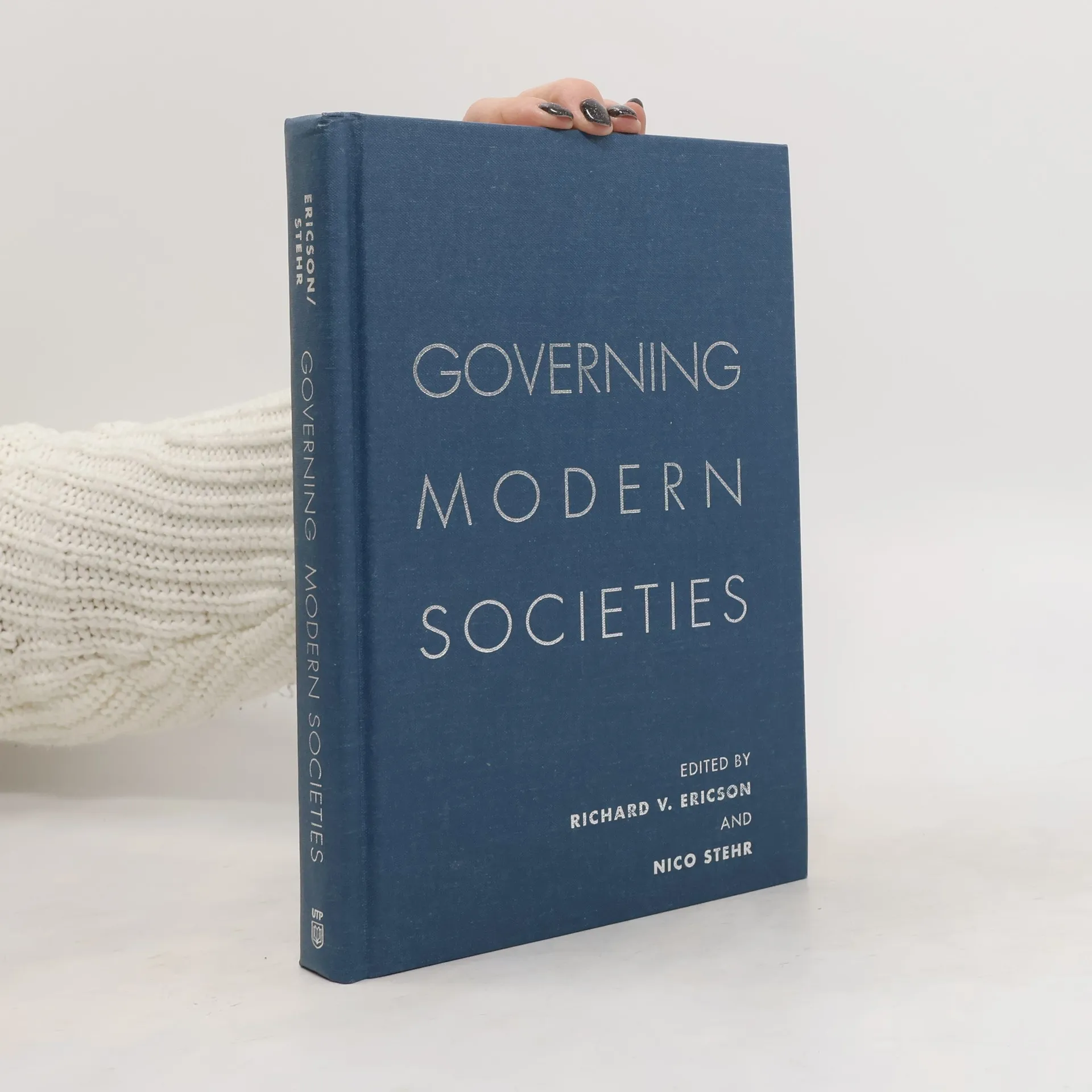
Governing Modern Societies, Nico Stehr, Richard Victor Ericson
- Jazyk

- Rok vydania
- 2000
- Väzba
- (pevná)
Doručenie
Platobné metódy
Tu nám chýba tvoja recenzia
- Titul
- Governing Modern Societies
- Jazyk
- anglicky
- Autori
- Nico Stehr, Richard Victor Ericson
- Vydavateľ
- University of Toronto Press
- Rok vydania
- 2000
- Väzba
- pevná
- Počet strán
- 298
- ISBN10
- 0802081983
- ISBN13
- 9780802081988
- Série
- Kategórie
- Štítky
- Hodnotenie
- 4 z 5
- Anotácia
- The essays collected in Governing Modern Societies arose from a lecture series of the same name held at Green College, University of British Columbia, in 1997 and 1998. Distinguished scholars in political science, philosophy, sociology, and economics from Canada, the United States, England, Germany, and Australia advance not only the most recent theories of how modern societies are governed, but also the ideological and political relevance of these theories. The focus of this collection is on the extent to which the nature and practice of governance has dramatically changed. The realities of cutbacks in social security expenditures, changes in technology, shifts in labour markets, politics of identity and group rights, loss of political autonomy by nation-states, and management by surveillance and audit all underscore the evolution of governing. The fact that such shifts are also connected to new forms of governance beyond the state (at the community level, for example, within corporate institutions and through the influence of social movements and economic markets) makes the task of governing modern societies all the more challenging.