


Viac o knihe
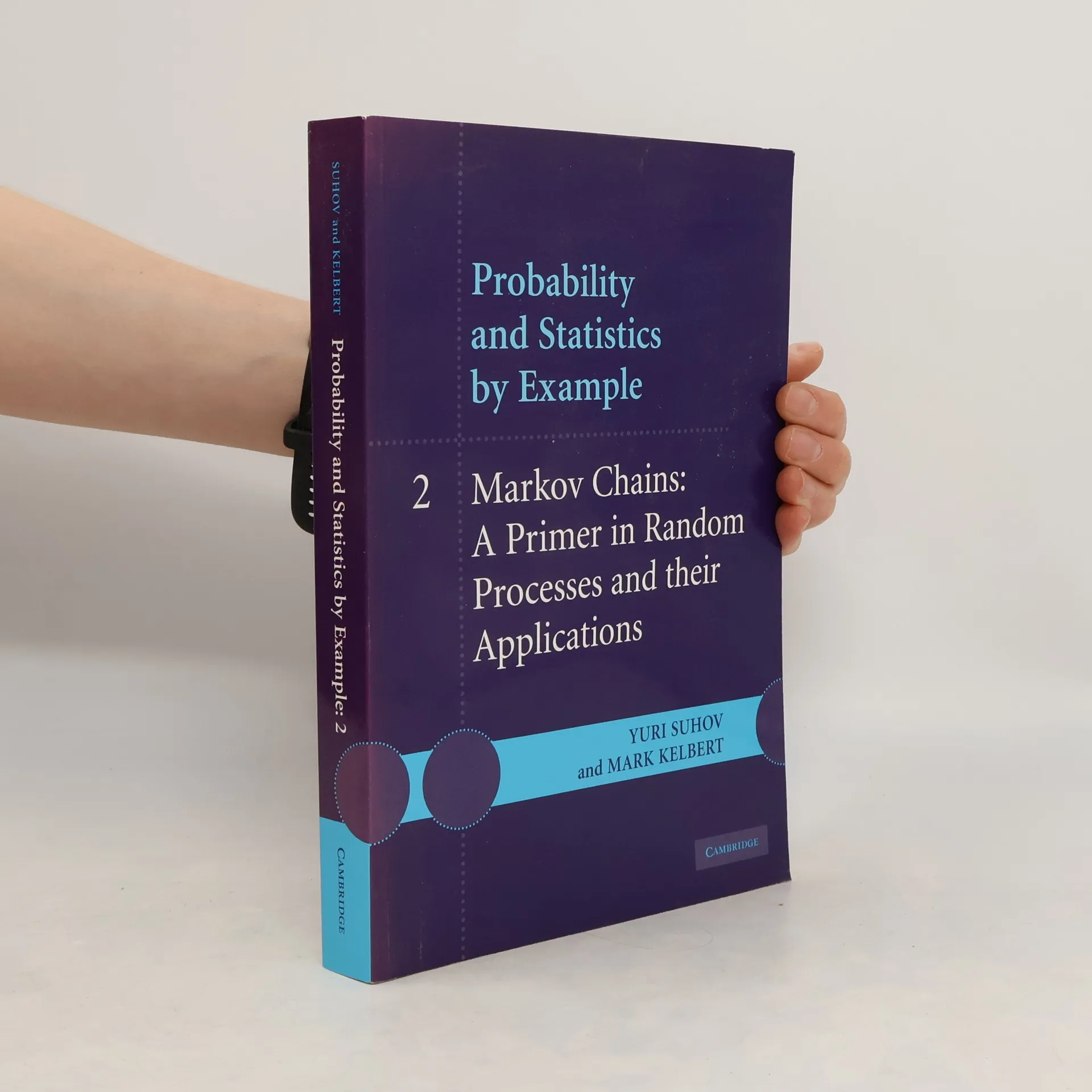
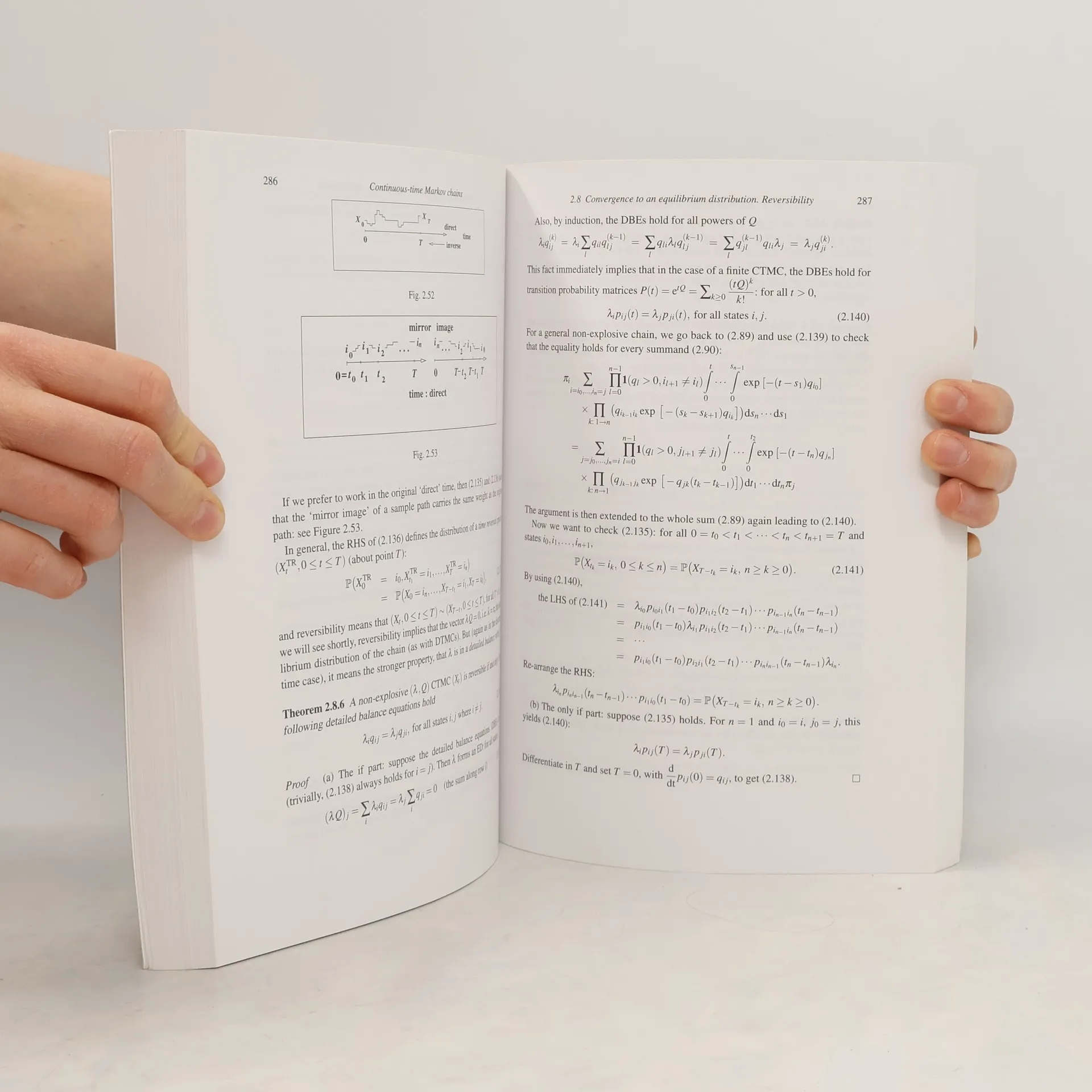
Probability and Statistics are as much about intuition and problem solving as they are about theorem proving. Because of this, students can find it very difficult to make a successful transition from lectures to examinations to practice, since the problems involved can vary so much in nature. Since the subject is critical in many modern applications such as mathematical finance, quantitative management, telecommunications, signal processing, bioinformatics, as well as traditional ones such as insurance, social science and engineering, the authors have rectified deficiencies in traditional lecture-based methods by collecting together a wealth of exercises with complete solutions, adapted to needs and skills of students. Following on from the success of Probability and Statistics by Example: Basic Probability and Statistics, the authors here concentrate on random processes, particularly Markov processes, emphasizing models rather than general constructions. Basic mathematical facts are supplied as and when they are needed and historical information is sprinkled throughout.
Nákup knihy
Probability and Statistics by Example 2, Yuri Suhov, Mark Kelbert
- Jazyk

- Rok vydania
- 2008
- Väzba
- (mäkká)
Doručenie
Platobné metódy
Tu nám chýba tvoja recenzia
- Titul
- Probability and Statistics by Example 2
- Jazyk
- anglicky
- Autori
- Yuri Suhov, Mark Kelbert
- Vydavateľ
- Cambridge University Press
- Rok vydania
- 2008
- Väzba
- mäkká
- Počet strán
- 504
- ISBN10
- 0521612349
- ISBN13
- 9780521612340
- Série
- Štítky
- Hodnotenie
- 5 z 5
- Anotácia
- Probability and Statistics are as much about intuition and problem solving as they are about theorem proving. Because of this, students can find it very difficult to make a successful transition from lectures to examinations to practice, since the problems involved can vary so much in nature. Since the subject is critical in many modern applications such as mathematical finance, quantitative management, telecommunications, signal processing, bioinformatics, as well as traditional ones such as insurance, social science and engineering, the authors have rectified deficiencies in traditional lecture-based methods by collecting together a wealth of exercises with complete solutions, adapted to needs and skills of students. Following on from the success of Probability and Statistics by Example: Basic Probability and Statistics, the authors here concentrate on random processes, particularly Markov processes, emphasizing models rather than general constructions. Basic mathematical facts are supplied as and when they are needed and historical information is sprinkled throughout.