

Viac o knihe
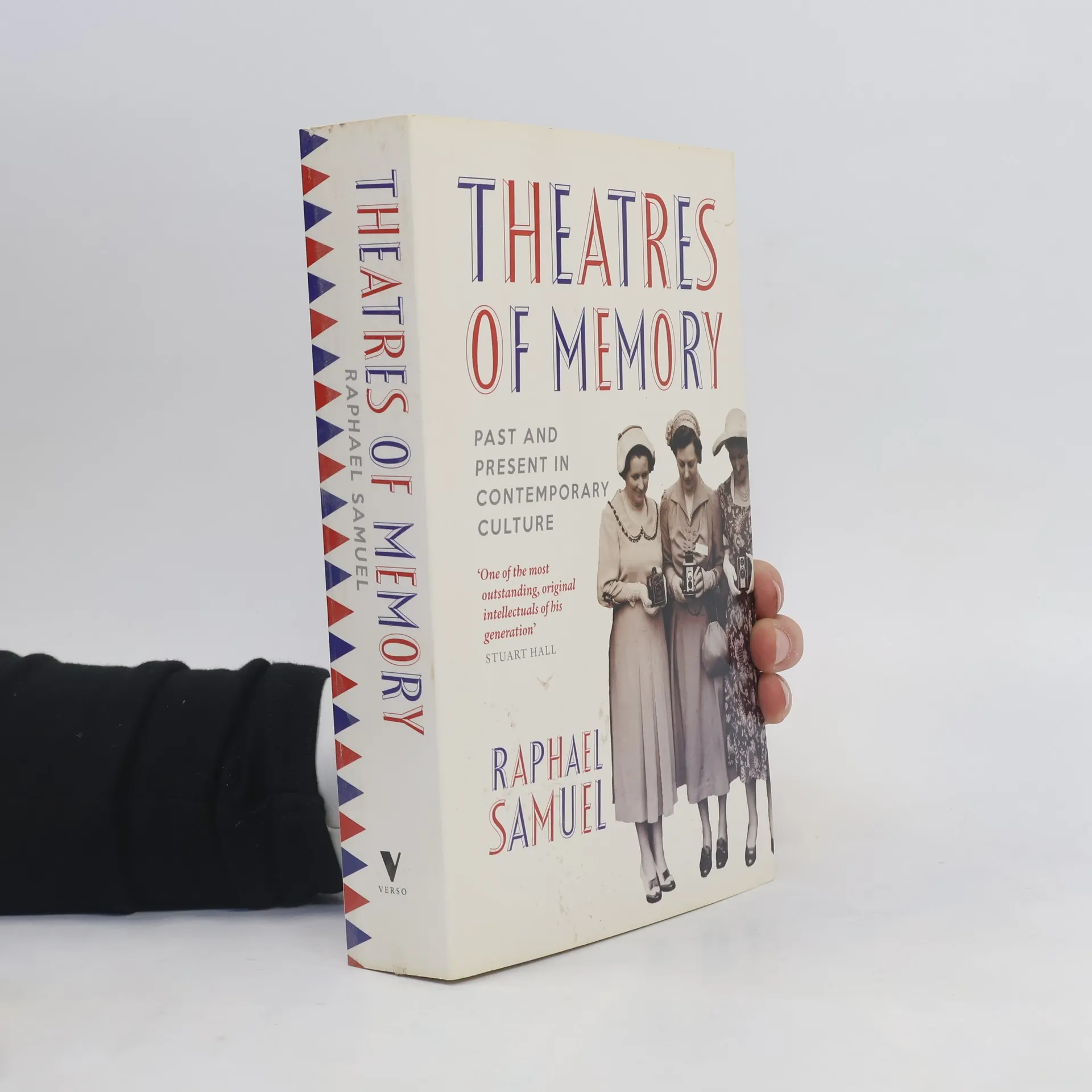
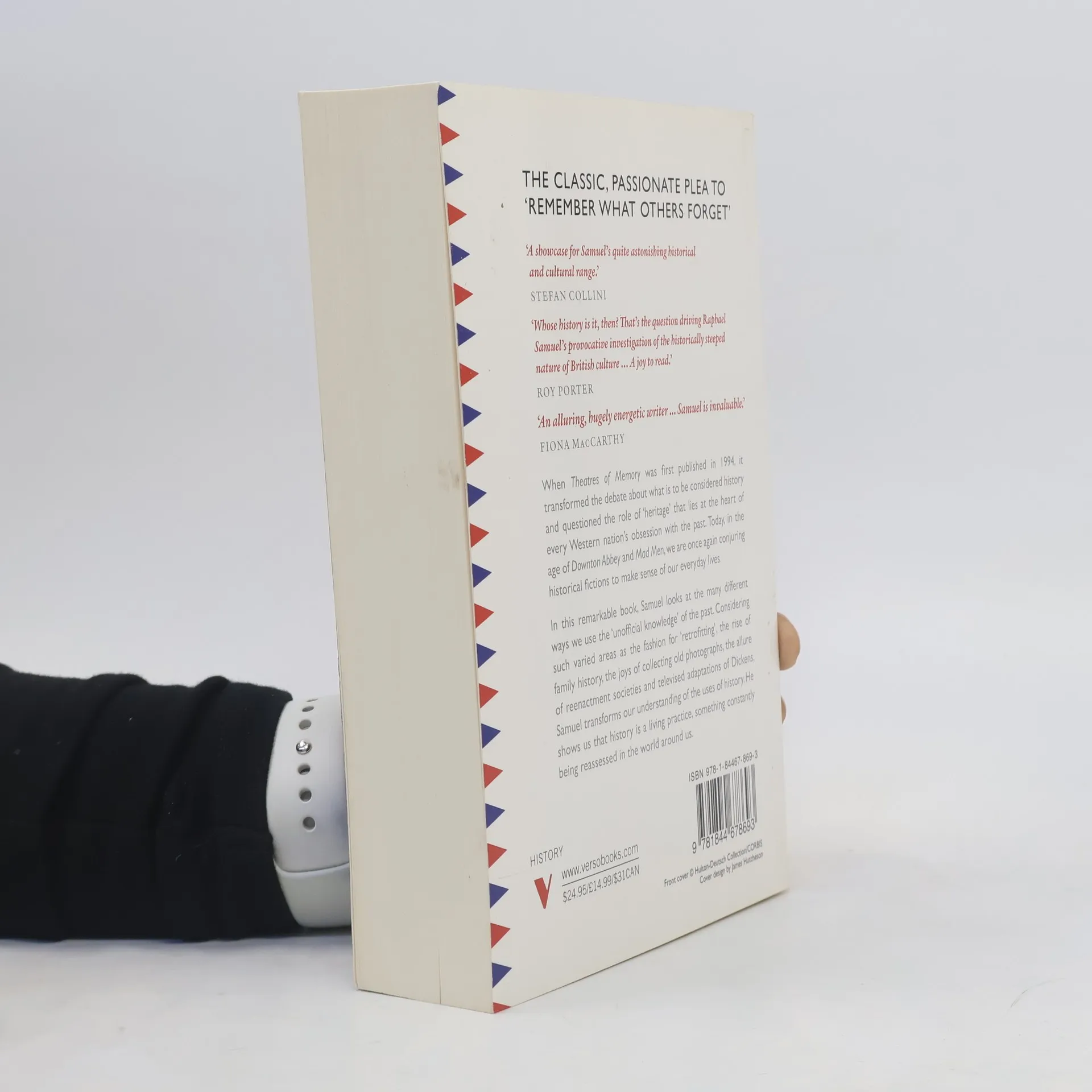
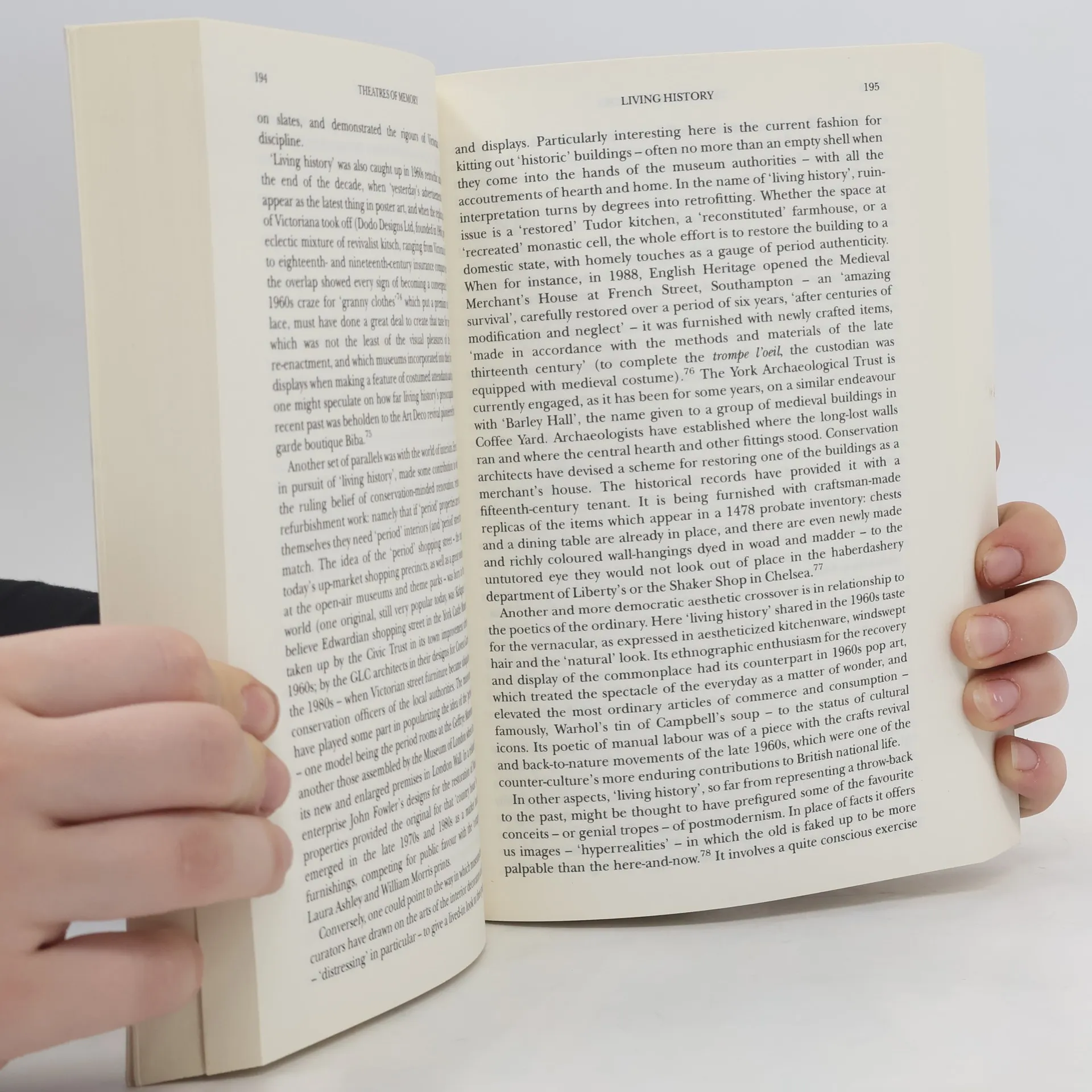
When Theatres of Memory was first published in 1994, it transformed the debate about what is to be considered history and questioned the role of “heritage” that lies at the heart of every Western nation’s obsession with the past. Today, in the age of Downton Abbey and Mad Men, we are once again conjuring historical fictions to make sense of our everyday lives. In this remarkable book, Samuel looks at the many different ways we use the ‘unofficial knowledge’ of the past. Considering such varied areas as the fashion for “retrofitting,” the rise of family history, the joys of collecting old photographs, the allure of reenactment societies and televised adaptations of Dickens, Samuel transforms our understanding of the uses of history. He shows us that history is a living practice, something constantly being reassessed in the world around us.
Nákup knihy
Theatres of Memory, Samuel Raphael
- Jazyk

- Rok vydania
- 2012
- Väzba
- (mäkká)
Doručenie
Platobné metódy
Tu nám chýba tvoja recenzia
- Titul
- Theatres of Memory
- Podtitul
- Past and Present in Contemporary Culture
- Jazyk
- anglicky
- Autori
- Samuel Raphael
- Vydavateľ
- Verso Books
- Rok vydania
- 2012
- Väzba
- mäkká
- Počet strán
- 508
- ISBN10
- 1844678695
- ISBN13
- 9781844678693
- Série
- Kategórie
- Štítky
- Filozofická tematika
- Hodnotenie
- 4,1 z 5
- Anotácia
- When Theatres of Memory was first published in 1994, it transformed the debate about what is to be considered history and questioned the role of “heritage” that lies at the heart of every Western nation’s obsession with the past. Today, in the age of Downton Abbey and Mad Men, we are once again conjuring historical fictions to make sense of our everyday lives. In this remarkable book, Samuel looks at the many different ways we use the ‘unofficial knowledge’ of the past. Considering such varied areas as the fashion for “retrofitting,” the rise of family history, the joys of collecting old photographs, the allure of reenactment societies and televised adaptations of Dickens, Samuel transforms our understanding of the uses of history. He shows us that history is a living practice, something constantly being reassessed in the world around us.