

Parametre
Viac o knihe
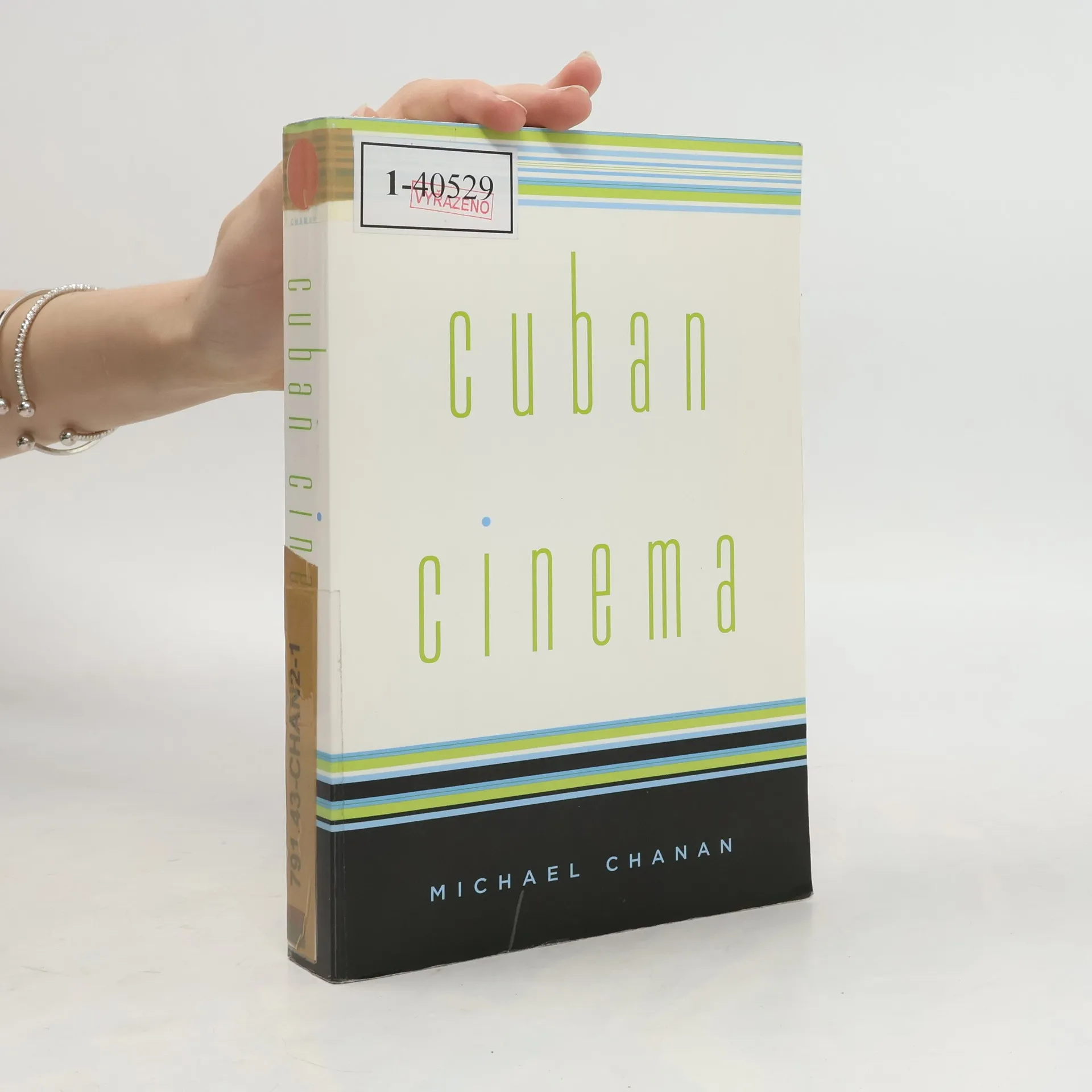
Michael Chanan provides a comprehensive, authoritative, and absorbing account of Cuban cinema both before and after the revolution, deftly setting individual films and filmmakers within the larger framework of Cuba's social, political, and cultural history. First published as The Cuban Image in 1984 to wide acclaim, Cuban Cinema now appears in an expanded edition that updates Chanan's discussion to the beginning of the twenty-first century. New chapters address ongoing concerns about freedom of expression; Havana's restored importance within the Latin American film industry through the Havana Film Festival, before state support for filmmakers dwindled; Cuban cinema's place within the globalized cultural market; and the changing audience for Cuban films. The only book-length study of Cuban cinema written in English, this indispensable work on one of the world's most vital national cinemas presents a unique perspective on the Cuban experience in the twentieth century.
Nákup knihy
Cuban Cinema, Michael Chanan
- Jazyk

- Rok vydania
- 2004
- Väzba
- (mäkká)
Doručenie
Platobné metódy
Tu nám chýba tvoja recenzia
- Titul
- Cuban Cinema
- Jazyk
- anglicky
- Autori
- Michael Chanan
- Rok vydania
- 2004
- Väzba
- mäkká
- ISBN10
- 0816634246
- ISBN13
- 9780816634248
- Série
- Štítky
- Dejiny filmu
- Hodnotenie
- 3,8 z 5
- Anotácia
- Michael Chanan provides a comprehensive, authoritative, and absorbing account of Cuban cinema both before and after the revolution, deftly setting individual films and filmmakers within the larger framework of Cuba's social, political, and cultural history. First published as The Cuban Image in 1984 to wide acclaim, Cuban Cinema now appears in an expanded edition that updates Chanan's discussion to the beginning of the twenty-first century. New chapters address ongoing concerns about freedom of expression; Havana's restored importance within the Latin American film industry through the Havana Film Festival, before state support for filmmakers dwindled; Cuban cinema's place within the globalized cultural market; and the changing audience for Cuban films. The only book-length study of Cuban cinema written in English, this indispensable work on one of the world's most vital national cinemas presents a unique perspective on the Cuban experience in the twentieth century.