



Viac o knihe
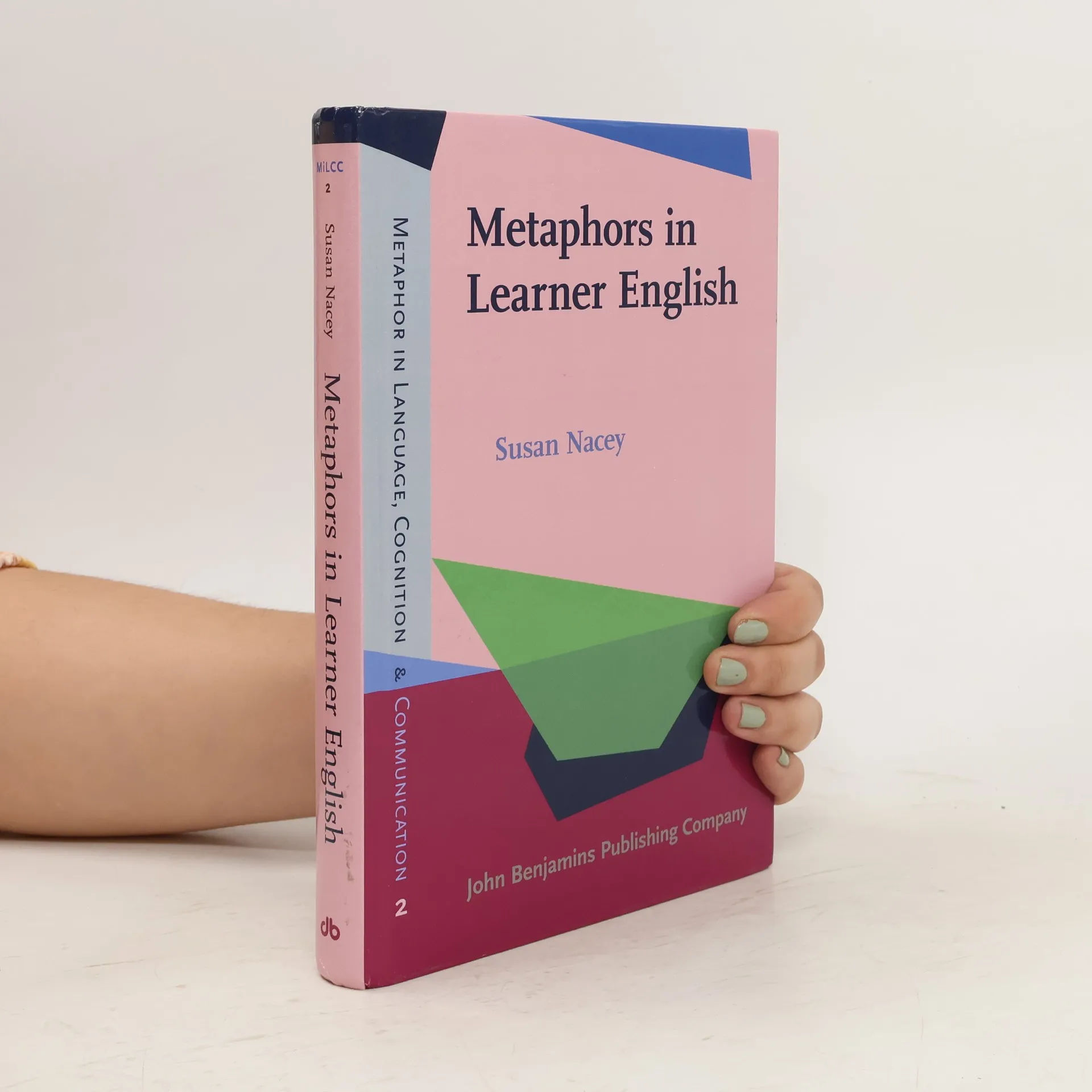
This volume presents results from a corpus-based investigation into the metaphorical production of foreign language learners, comparing texts written by Norwegian (L2) learners of English with those written by British (L1) students. Three types of questions are addressed. The first has empirically measured answers: For example, do L2 English writers produce more metaphors than L1 novice writers? How frequent are novel metaphors in an L2, as compared with an L1? The second type has more subjective answers: How creatively do L2 English learners employ metaphor? Are they even expected to be able to produce metaphor at all? The third type combines theoretical and methodological perspectives: How is metaphorical creativity identified? What is the potential role of metaphoric competence? Most importantly, how are metaphors identified? To this end, the newly-developed 'Metaphor Identification Procedure' is tested and critiqued. This book is intended for metaphor researchers, corpus linguists, applied linguists and language educators.
Nákup knihy
Metaphors in Learner English, Susan Nacey
- Jazyk

- Rok vydania
- 2013
- Väzba
- (pevná)
Doručenie
Platobné metódy
Tu nám chýba tvoja recenzia
- Titul
- Metaphors in Learner English
- Jazyk
- anglicky
- Autori
- Susan Nacey
- Rok vydania
- 2013
- Väzba
- pevná
- Počet strán
- 279
- ISBN10
- 9027202060
- ISBN13
- 9789027202062
- Série
- Kategórie
- Hodnotenie
- 4 z 5
- Anotácia
- This volume presents results from a corpus-based investigation into the metaphorical production of foreign language learners, comparing texts written by Norwegian (L2) learners of English with those written by British (L1) students. Three types of questions are addressed. The first has empirically measured answers: For example, do L2 English writers produce more metaphors than L1 novice writers? How frequent are novel metaphors in an L2, as compared with an L1? The second type has more subjective answers: How creatively do L2 English learners employ metaphor? Are they even expected to be able to produce metaphor at all? The third type combines theoretical and methodological perspectives: How is metaphorical creativity identified? What is the potential role of metaphoric competence? Most importantly, how are metaphors identified? To this end, the newly-developed 'Metaphor Identification Procedure' is tested and critiqued. This book is intended for metaphor researchers, corpus linguists, applied linguists and language educators.