

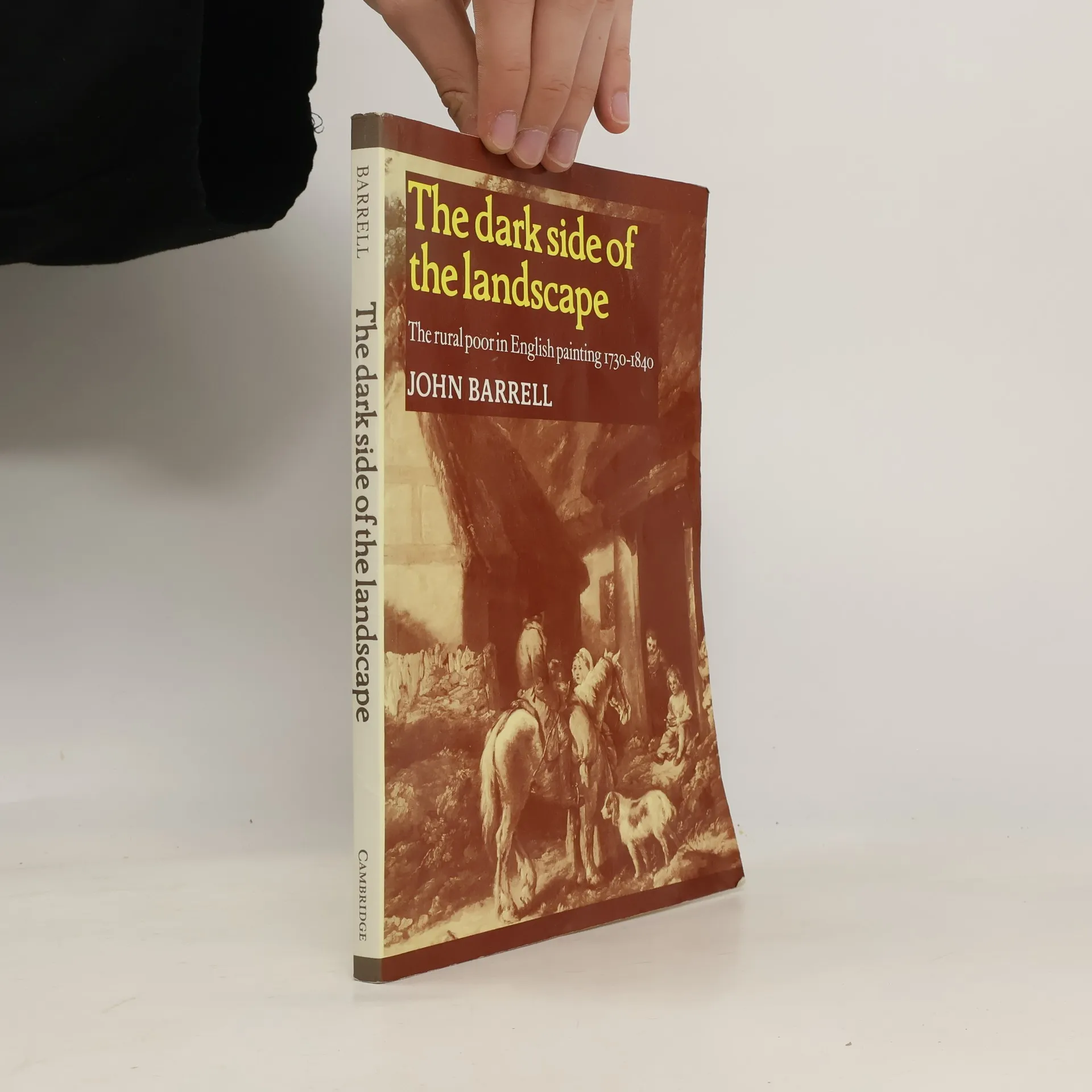
The Dark Side of the Landscape
The Rural Poor in English Painting 1730-1840
Autori
Hodnotenie knihy
Viac o knihe
The eighteenth-century saw a radical change in the depiction of country life in English feeling less constrained by the conventions of classical or theatrical pastoral, landscape painters attempted to offer a portrayal of what life was really like, or was thought to be like, in England; and this inevitably involved a distinct approach to the depiction of the rural poor. John Barrell's influential 1980 study shows why the poor began to be of such interest to painters, and examines the ways in which they could be represented so as to be an acceptable part of the décor of the salons of the rich. His discussion focuses on the work of three Thomas Gainsborough, George Morland and John Constable. Throughout the book, Barrell draws illuminating comparisons with the literature of rural life and with the work of other painters. His terse and vigourous account has provided a landmark for social historians and literary critics, as well as historians of art.
Nákup knihy
The Dark Side of the Landscape, John Barrell
- Jazyk

- Rok vydania
- 1983
- Väzba
- (mäkká)
Doručenie
Platobné metódy
Tu nám chýba tvoja recenzia
- Titul
- The Dark Side of the Landscape
- Podtitul
- The Rural Poor in English Painting 1730-1840
- Jazyk
- anglicky
- Autori
- John Barrell
- Vydavateľ
- Cambridge University Press
- Rok vydania
- 1983
- Väzba
- mäkká
- Počet strán
- 192
- ISBN10
- 0521276551
- ISBN13
- 9780521276559
- Série
- Hodnotenie
- 3,8 z 5
- Anotácia
- The eighteenth-century saw a radical change in the depiction of country life in English feeling less constrained by the conventions of classical or theatrical pastoral, landscape painters attempted to offer a portrayal of what life was really like, or was thought to be like, in England; and this inevitably involved a distinct approach to the depiction of the rural poor. John Barrell's influential 1980 study shows why the poor began to be of such interest to painters, and examines the ways in which they could be represented so as to be an acceptable part of the décor of the salons of the rich. His discussion focuses on the work of three Thomas Gainsborough, George Morland and John Constable. Throughout the book, Barrell draws illuminating comparisons with the literature of rural life and with the work of other painters. His terse and vigourous account has provided a landmark for social historians and literary critics, as well as historians of art.