

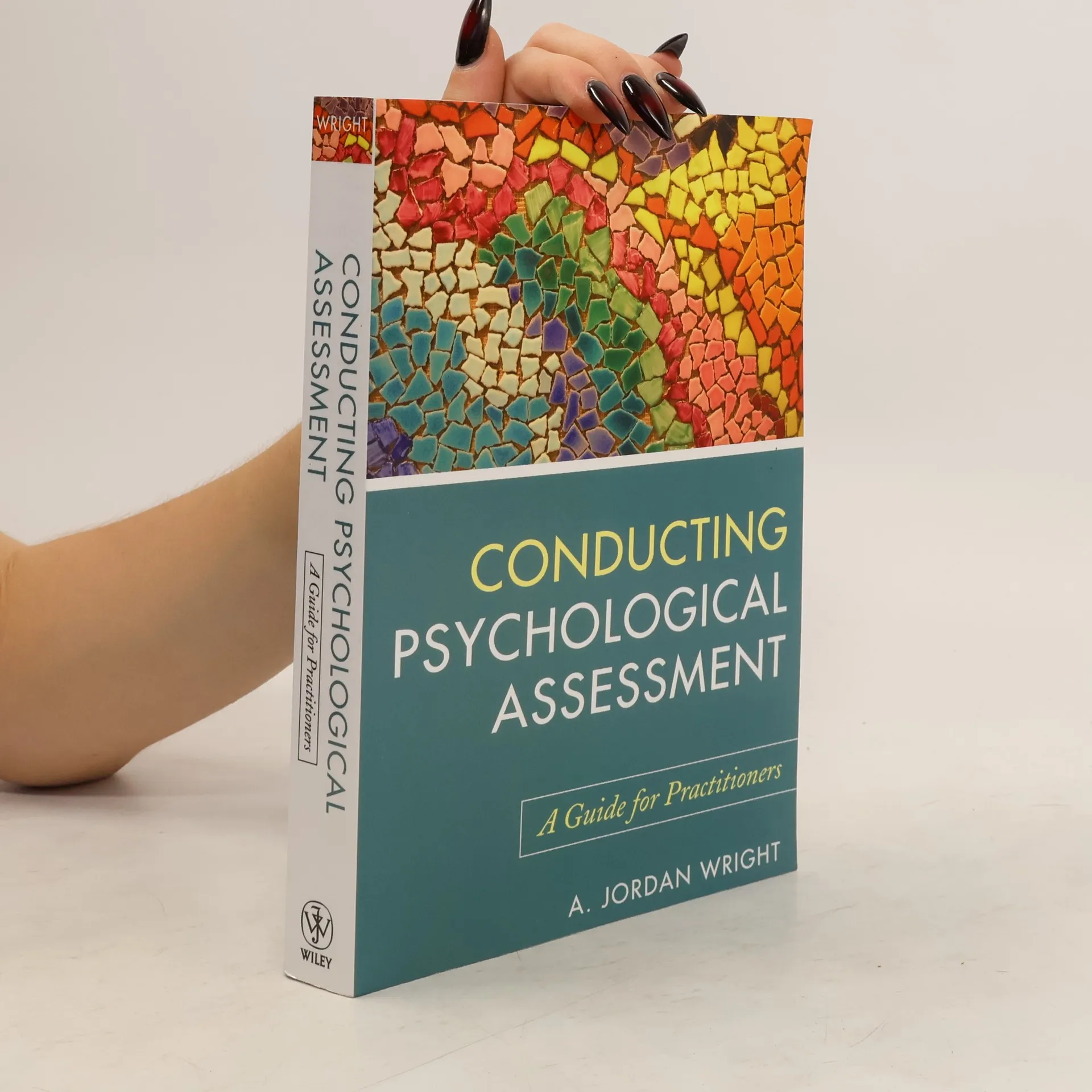

Conducting Psychological Assessment
A Guide for Practitioners
Autori
Hodnotenie knihy
Parametre
Viac o knihe
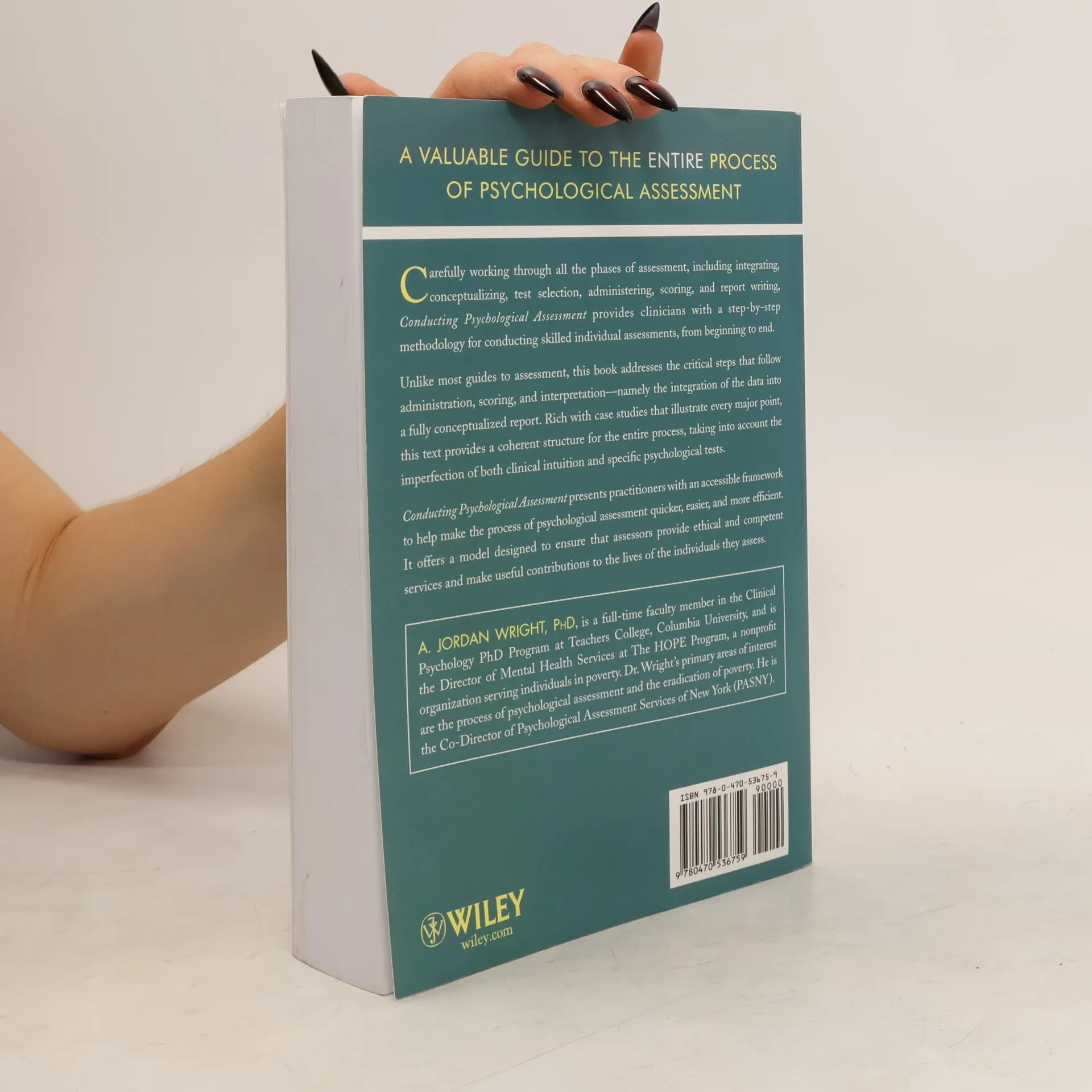
"The major market need for this book comes from the fact that the bulk of the literature on psychological assessment focuses on individual tests, rather than the process of using tests as part of an overall integrative assessment process. The author has taught many Ph.D. students psychological assessment and supervised students taught by other professors, and it is clear to him that while interpretation of individual tests is relatively consistent, the basic foundations of how to use test data and how to integrate them into coherent and useful narratives varies greatly from assessor to assessor depending on their training. Many students and psychologists focus so much on adequate administration, scoring, and interpretation of individual tests that little attention is paid to the integration, conceptualization, and write-up phases of the process. This book provides concrete examples to illustrate how to navigate this process, which is too often left to chance."--
Nákup knihy
Conducting Psychological Assessment, A. Jordan Wright
- Jazyk

- Rok vydania
- 2011
- Väzba
- (mäkká)
Doručenie
Platobné metódy
Tu nám chýba tvoja recenzia
- Titul
- Conducting Psychological Assessment
- Podtitul
- A Guide for Practitioners
- Jazyk
- anglicky
- Autori
- A. Jordan Wright
- Vydavateľ
- WILEY
- Rok vydania
- 2011
- Väzba
- mäkká
- ISBN10
- 0470536756
- ISBN13
- 9780470536759
- Série
- Štítky
- Sprievodca
- Hodnotenie
- 4 z 5
- Anotácia
- "The major market need for this book comes from the fact that the bulk of the literature on psychological assessment focuses on individual tests, rather than the process of using tests as part of an overall integrative assessment process. The author has taught many Ph.D. students psychological assessment and supervised students taught by other professors, and it is clear to him that while interpretation of individual tests is relatively consistent, the basic foundations of how to use test data and how to integrate them into coherent and useful narratives varies greatly from assessor to assessor depending on their training. Many students and psychologists focus so much on adequate administration, scoring, and interpretation of individual tests that little attention is paid to the integration, conceptualization, and write-up phases of the process. This book provides concrete examples to illustrate how to navigate this process, which is too often left to chance."--