

Viac o knihe
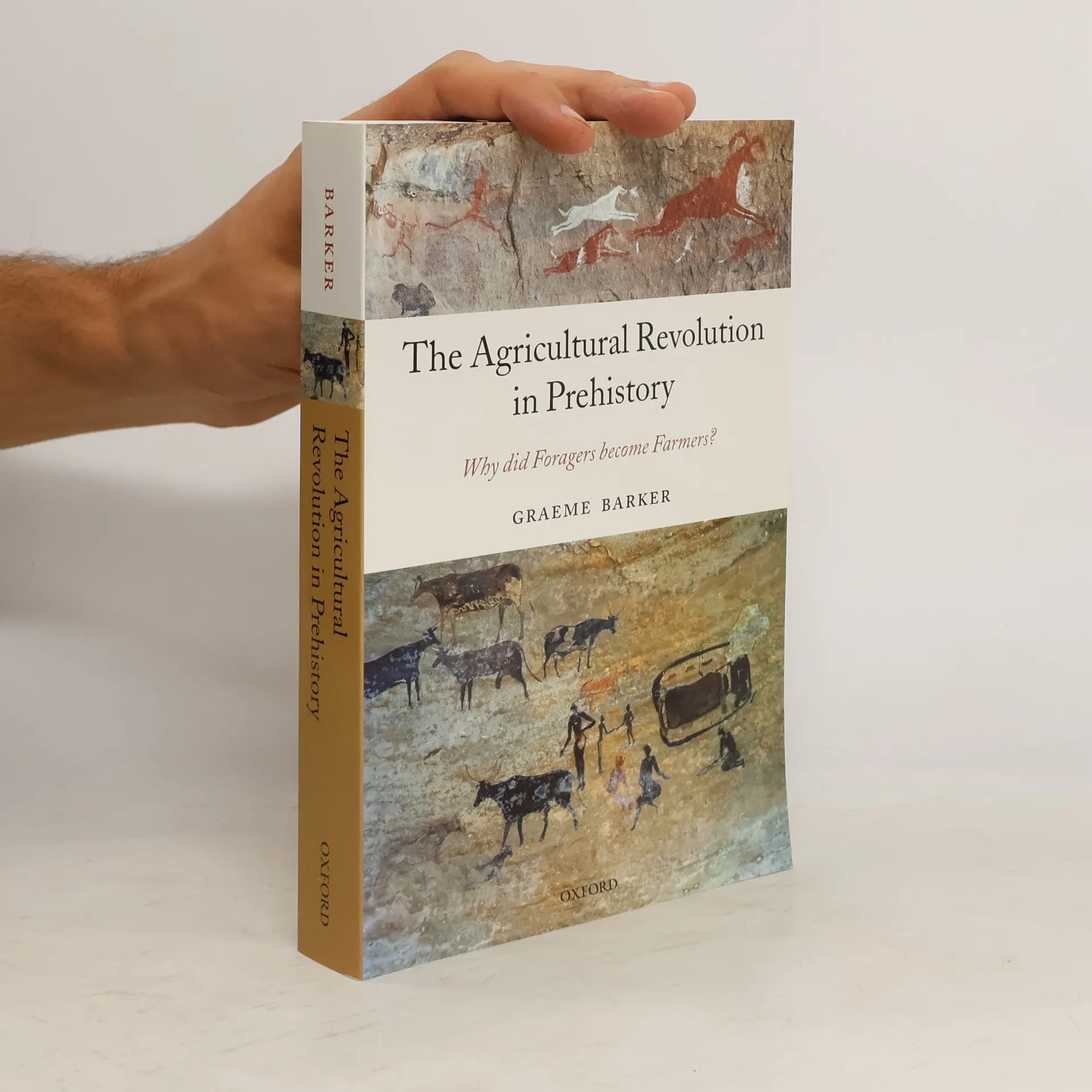
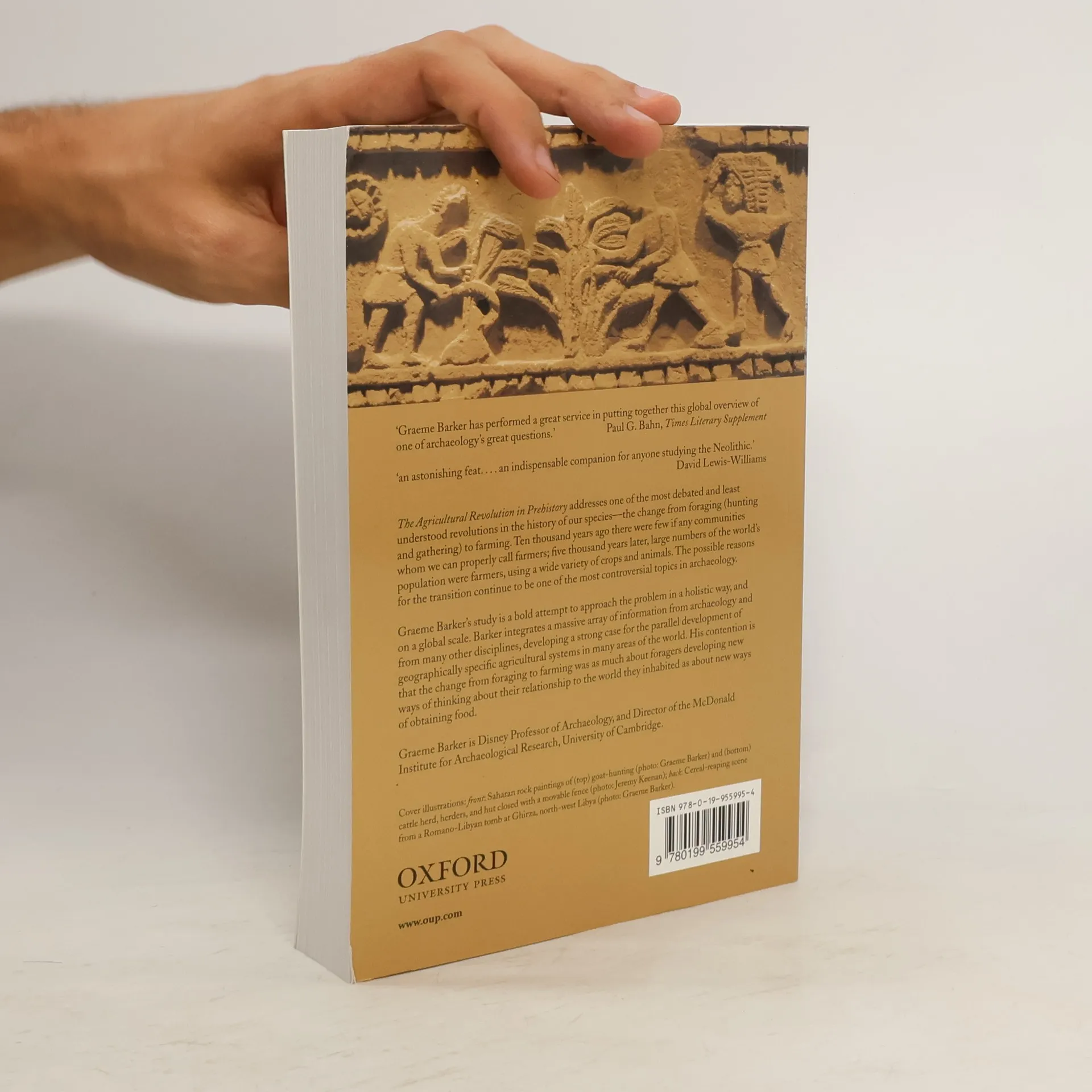
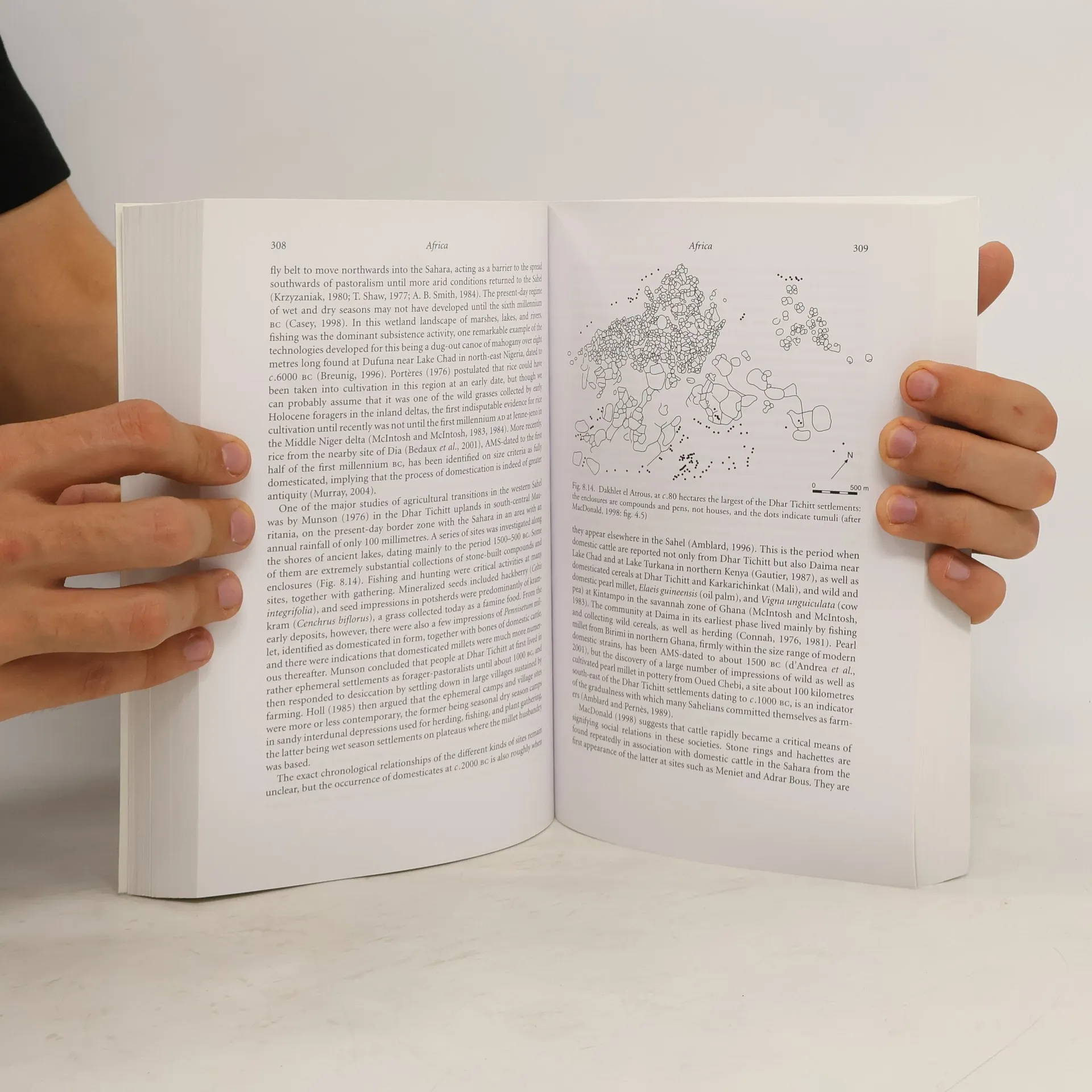
The Agricultural Revolution in Prehistory addresses one of the most debated and least understood revolutions in the history of our species, the change from hunting and gathering to farming. Graeme Barker takes a global view, and integrates a massive array of information from archaeology and many other disciplines, including anthropology, botany, climatology, genetics, linguistics, and zoology. Against current orthodoxy, Barker develops a strong case for the development of agricultural systems in many areas as transformations in the life-ways of the indigenous forager societies, and argues that these were as much changes in social norms and ideologies as in ways of obtaining food. With a large number of helpful line drawings and photographs as well as a comprehensive bibliography, this authoritative study will appeal to a wide general readership as well as to specialists in a variety of fields.
Nákup knihy
The Agricultural Revolution in Prehistory, Graeme Barker
- Jazyk

- Rok vydania
- 2009
- Väzba
- (mäkká)
Doručenie
Platobné metódy
Tu nám chýba tvoja recenzia
- Titul
- The Agricultural Revolution in Prehistory
- Podtitul
- Why Did Foragers Become Farmers?
- Jazyk
- anglicky
- Autori
- Graeme Barker
- Vydavateľ
- Oxford University Press
- Rok vydania
- 2009
- Väzba
- mäkká
- Počet strán
- 616
- ISBN10
- 0199559953
- ISBN13
- 9780199559954
- Série
- Hodnotenie
- 3,75 z 5
- Anotácia
- The Agricultural Revolution in Prehistory addresses one of the most debated and least understood revolutions in the history of our species, the change from hunting and gathering to farming. Graeme Barker takes a global view, and integrates a massive array of information from archaeology and many other disciplines, including anthropology, botany, climatology, genetics, linguistics, and zoology. Against current orthodoxy, Barker develops a strong case for the development of agricultural systems in many areas as transformations in the life-ways of the indigenous forager societies, and argues that these were as much changes in social norms and ideologies as in ways of obtaining food. With a large number of helpful line drawings and photographs as well as a comprehensive bibliography, this authoritative study will appeal to a wide general readership as well as to specialists in a variety of fields.