

FRG
Autori
Viac o knihe
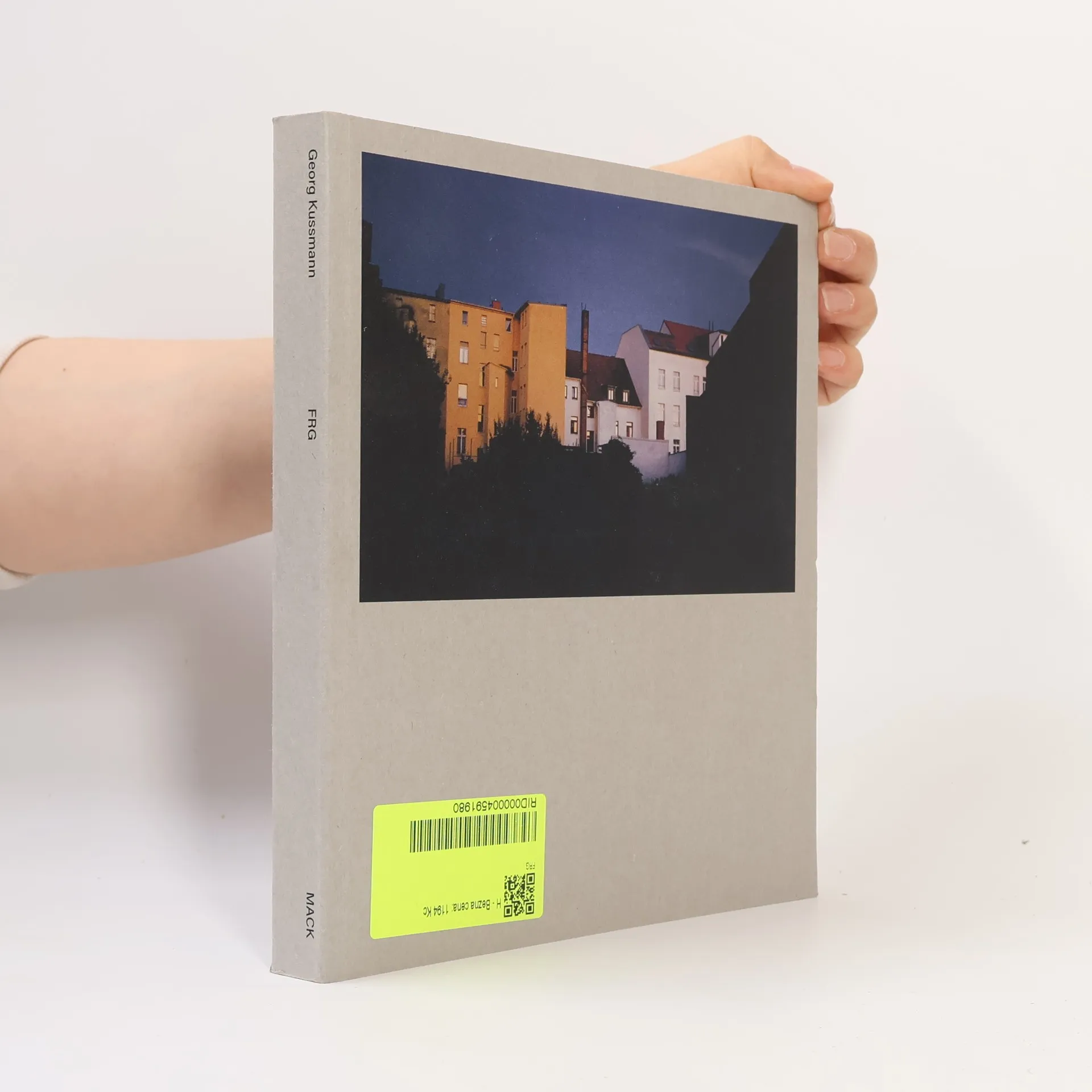
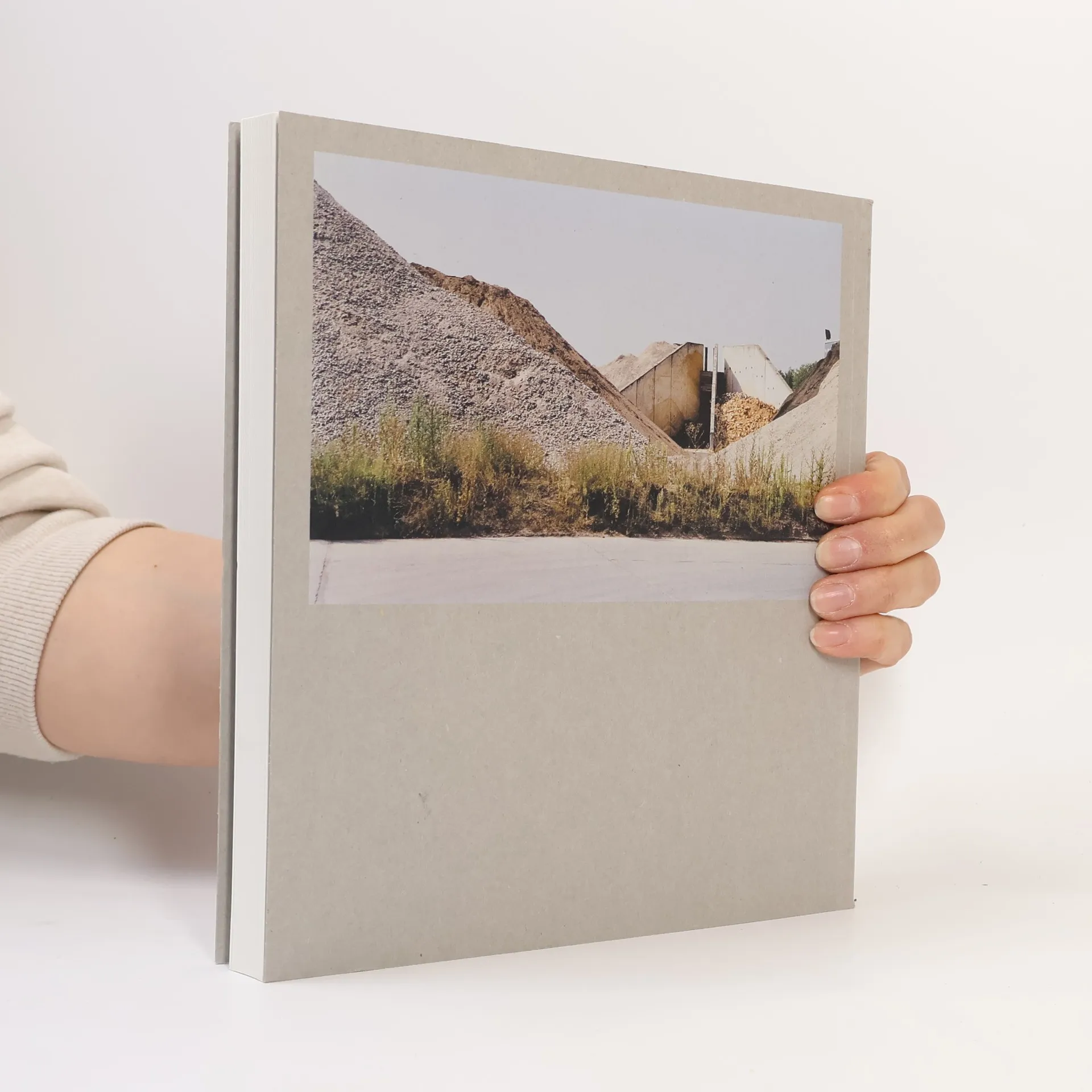
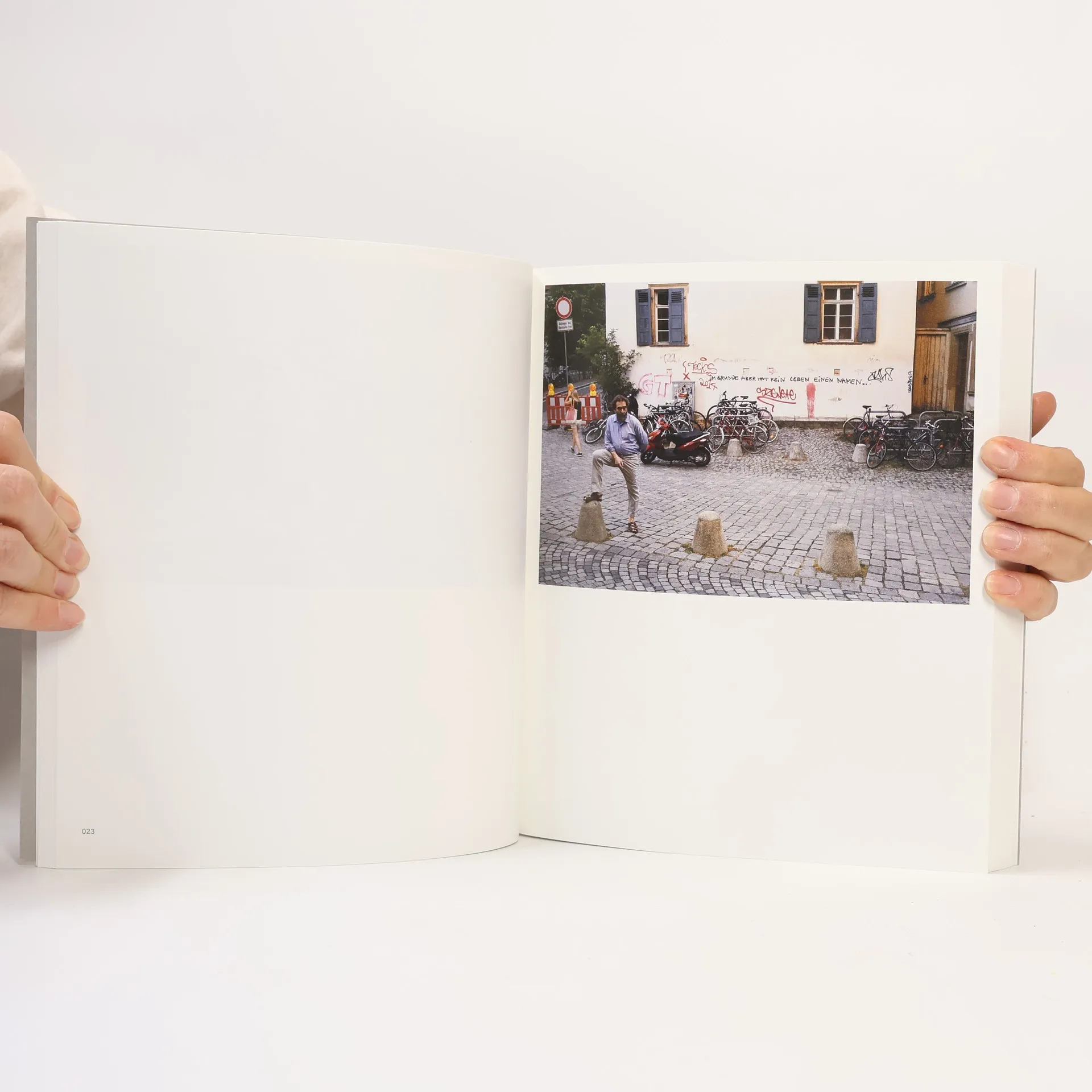
The German dramatist Heiner Müller observed that German history lies as if smothered by a rheumatism beneath there is warmth and stagnation, just enough to give the impression all is well, while the peripheries are freezing. Georg Kussmann’s photographs in FRG were created under this metaphoric blanket. Made in the Federal Republic of Germany over a single summer, they depict everyday scenes of life, work, and leisure under which threats of discontent and violence simmer. Sometimes this unease is explicit in the form of physical acts or graffitied slogans, but more often it is uncannily suppressed. Kussmann made these photographs by exploring his home country on foot, sleeping on the streets and often propelled to keep moving by fear as much as curiosity. Brought together in an extensive and determined sequence, they describe a place caught between the weight of the past and the demands of the present. Evoking the particular German histories of work ethics, dictates, and acronyms, Kussmann takes a dogged yet always subtle approach to contemporary Germany and the ways it struggles to understand itself.
Nákup knihy
FRG, Georg Kußmann
- Jazyk

- Rok vydania
- 2024
- Väzba
- (mäkká)
Doručenie
Platobné metódy
Nikto zatiaľ neohodnotil.
- Titul
- FRG
- Jazyk
- anglicky
- Autori
- Georg Kußmann
- Vydavateľ
- Mack
- Rok vydania
- 2024
- Väzba
- mäkká
- Počet strán
- 272
- ISBN10
- 1915743273
- ISBN13
- 9781915743275
- Série
- Kategórie
- Štítky
- Fotografické publikácie
- Anotácia
- The German dramatist Heiner Müller observed that German history lies as if smothered by a rheumatism beneath there is warmth and stagnation, just enough to give the impression all is well, while the peripheries are freezing. Georg Kussmann’s photographs in FRG were created under this metaphoric blanket. Made in the Federal Republic of Germany over a single summer, they depict everyday scenes of life, work, and leisure under which threats of discontent and violence simmer. Sometimes this unease is explicit in the form of physical acts or graffitied slogans, but more often it is uncannily suppressed. Kussmann made these photographs by exploring his home country on foot, sleeping on the streets and often propelled to keep moving by fear as much as curiosity. Brought together in an extensive and determined sequence, they describe a place caught between the weight of the past and the demands of the present. Evoking the particular German histories of work ethics, dictates, and acronyms, Kussmann takes a dogged yet always subtle approach to contemporary Germany and the ways it struggles to understand itself.