

Mirrors of Memory
Freud, Photography, and the History of Art
Autori
Hodnotenie knihy
Parametre
Viac o knihe
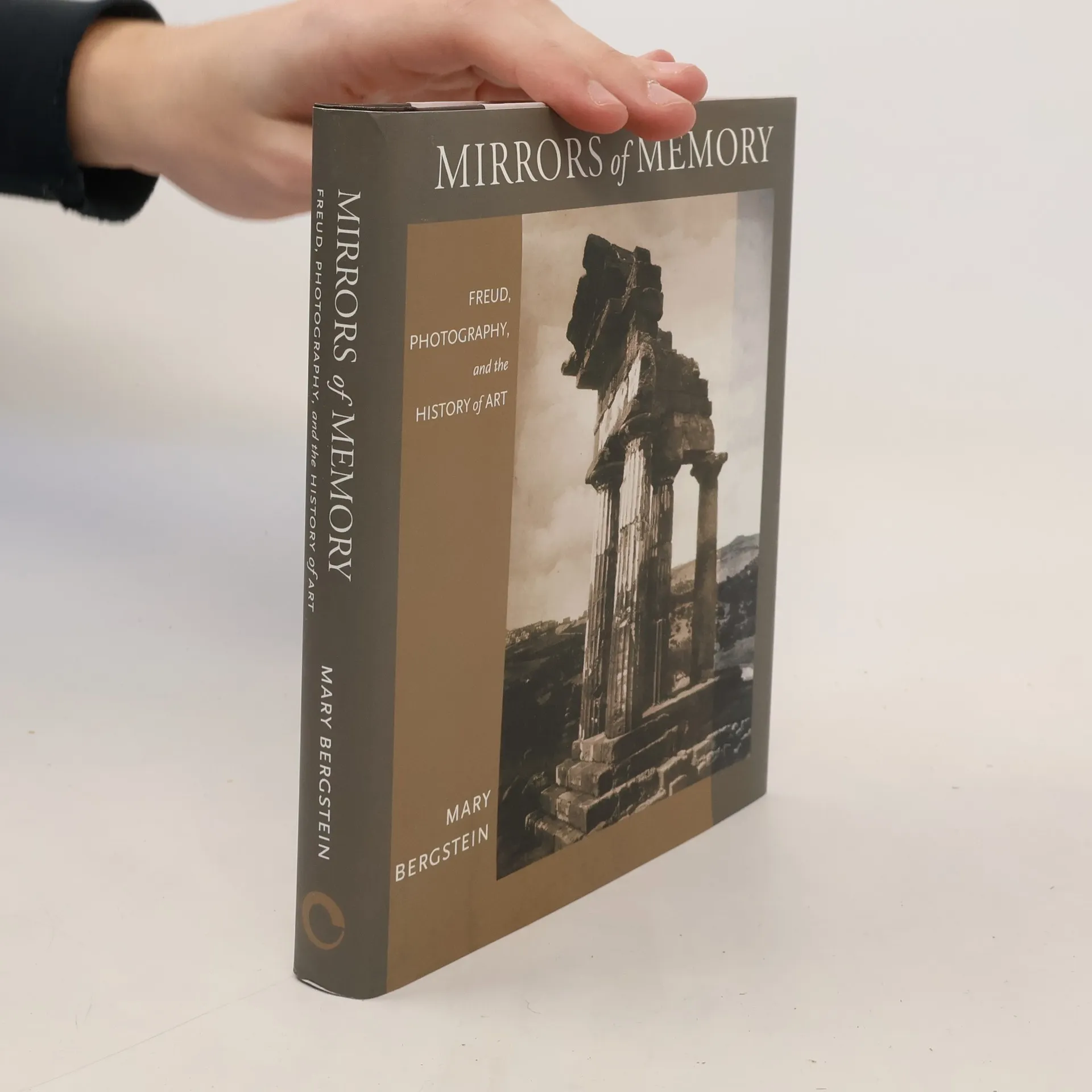
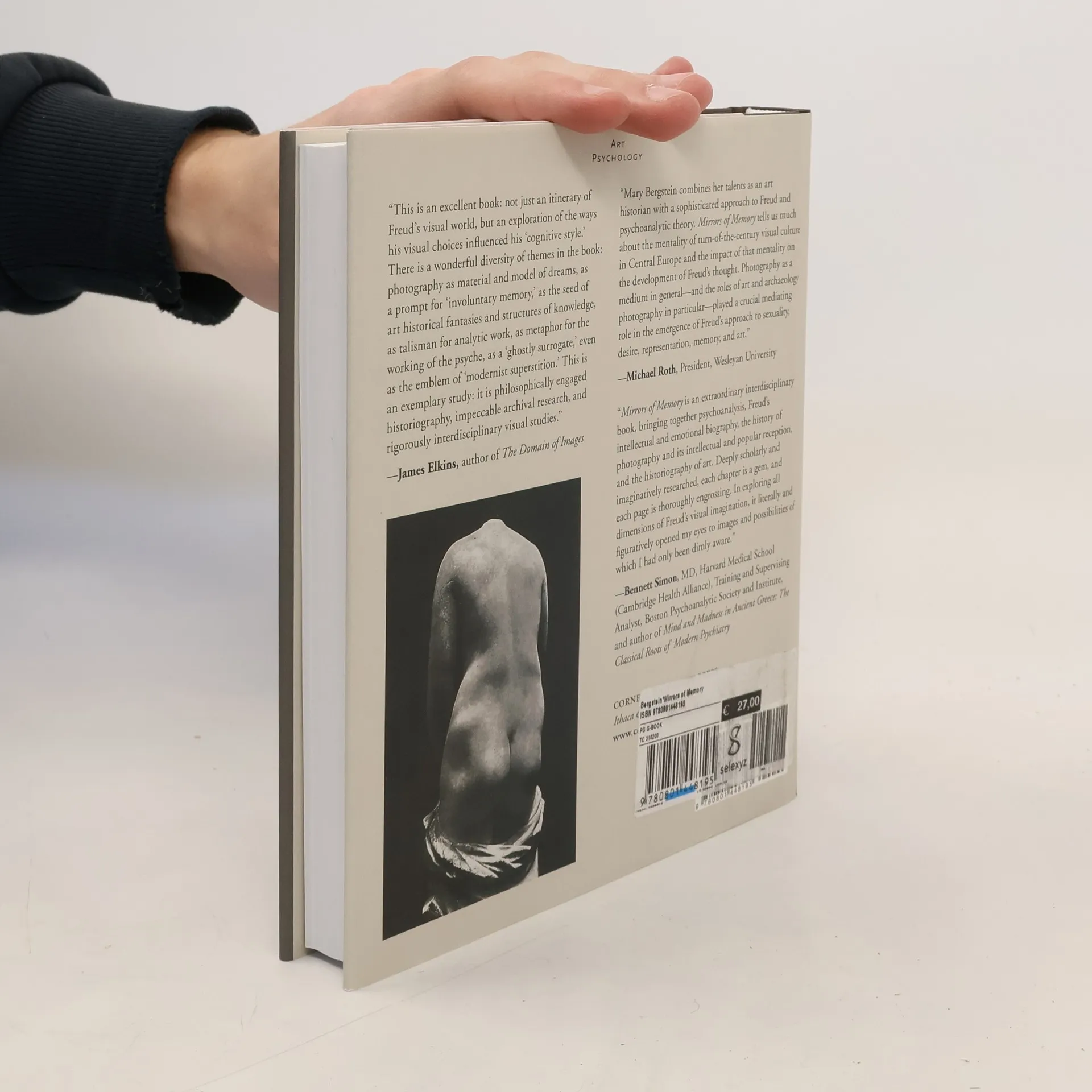
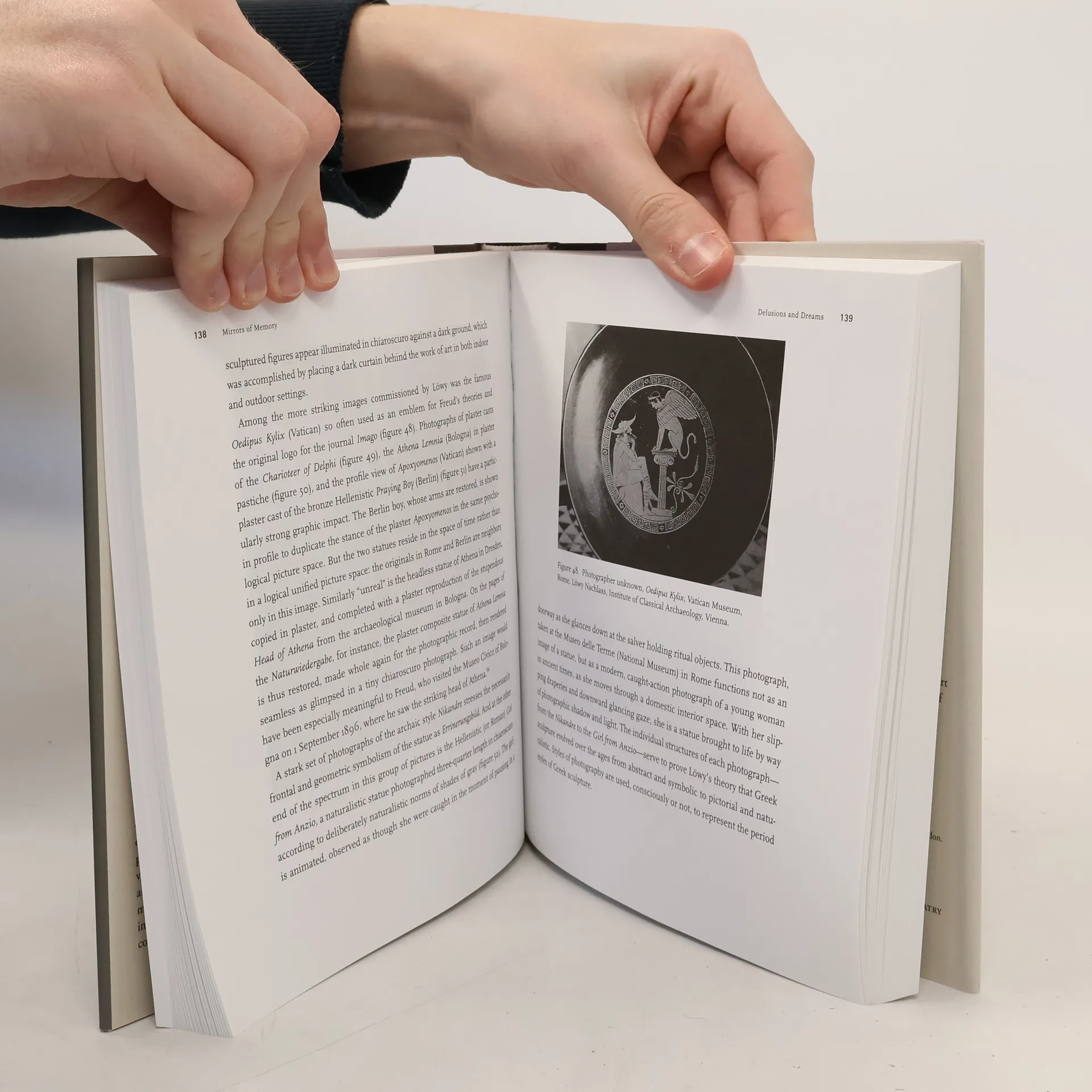
In turn-of-the-century Central Europe, photographs transformed perceptions of the world, bringing images of natural and cultural history into everyday life. Sigmund Freud's library was no exception, filled with photographs and images that profoundly influenced his thinking, often in unconscious ways. Mary Bergstein's richly illustrated work explores how Freud's collection serves as a key to understanding the origins of psychoanalysis. During Freud's time, photographs were seen as transparent windows to objective truth while simultaneously embodying a subjective, dream-like quality. For instance, a photo of a ruined temple not only depicted a specific location but also evoked feelings of loss and the passage of time, paralleling the language of psychoanalysis. Bergstein investigates how various photographs—ranging from sculptures to archaeological sites and ethnographic scenes—shaped Freud's conceptual development in psychoanalysis. This exploration offers significant insights into early twentieth-century visual culture and illustrates how photography influenced Freud's understanding of the human mind and the world around him.
Nákup knihy
Mirrors of Memory, Mary Bergstein
- Jazyk

- Rok vydania
- 2010
- Väzba
- (pevná)
Doručenie
Platobné metódy
Tu nám chýba tvoja recenzia
- Titul
- Mirrors of Memory
- Podtitul
- Freud, Photography, and the History of Art
- Jazyk
- anglicky
- Autori
- Mary Bergstein
- Vydavateľ
- Cornell University Press
- Rok vydania
- 2010
- Väzba
- pevná
- ISBN10
- 0801448190
- ISBN13
- 9780801448195
- Série
- Kategórie
- Štítky
- Umenie
- Hodnotenie
- 2,5 z 5
- Anotácia
- In turn-of-the-century Central Europe, photographs transformed perceptions of the world, bringing images of natural and cultural history into everyday life. Sigmund Freud's library was no exception, filled with photographs and images that profoundly influenced his thinking, often in unconscious ways. Mary Bergstein's richly illustrated work explores how Freud's collection serves as a key to understanding the origins of psychoanalysis. During Freud's time, photographs were seen as transparent windows to objective truth while simultaneously embodying a subjective, dream-like quality. For instance, a photo of a ruined temple not only depicted a specific location but also evoked feelings of loss and the passage of time, paralleling the language of psychoanalysis. Bergstein investigates how various photographs—ranging from sculptures to archaeological sites and ethnographic scenes—shaped Freud's conceptual development in psychoanalysis. This exploration offers significant insights into early twentieth-century visual culture and illustrates how photography influenced Freud's understanding of the human mind and the world around him.