



Parametre
- 245 stránok
- 9 hodin čítania
Viac o knihe
The overthrow of Nicolae Ceausescu exposed a regime of grim despotism that defies comprehension. For Norman Manea, who left Romania in 1986, the terror imposed on citizens was matched by the irrevocable choices forced upon artists. In his exploration of the pain, anger, and fear confronting the creative mind under tyranny, Manea meticulously catalogs the techniques through which malevolent power binds artists: the subtle torture of censorship, the politics of substitution, and the opiates of nationalism and ideology. He also highlights what artists rely on to survive these conditions: the disguise of the buffoon, an aesthetic intertwined with ethics, a disdain for mediocrity, and, when possible, a defiant raspberry to the dictator. Manea's Central European identity shapes his perspective, reflecting a spiritual outlook and cultural horizons akin to those of Kundera and Milosz. He cites Danilo Kis, noting that "Consciousness of belonging to Central Europe is itself in the end a kind of dissidence!" Manea demonstrates that artistic creativity and intellectual freedom transcend mere dissidence; they embody a morality that opposes the "captive mind" of Communist dictatorship, allowing artists to endure and resist oppression.
Nákup knihy
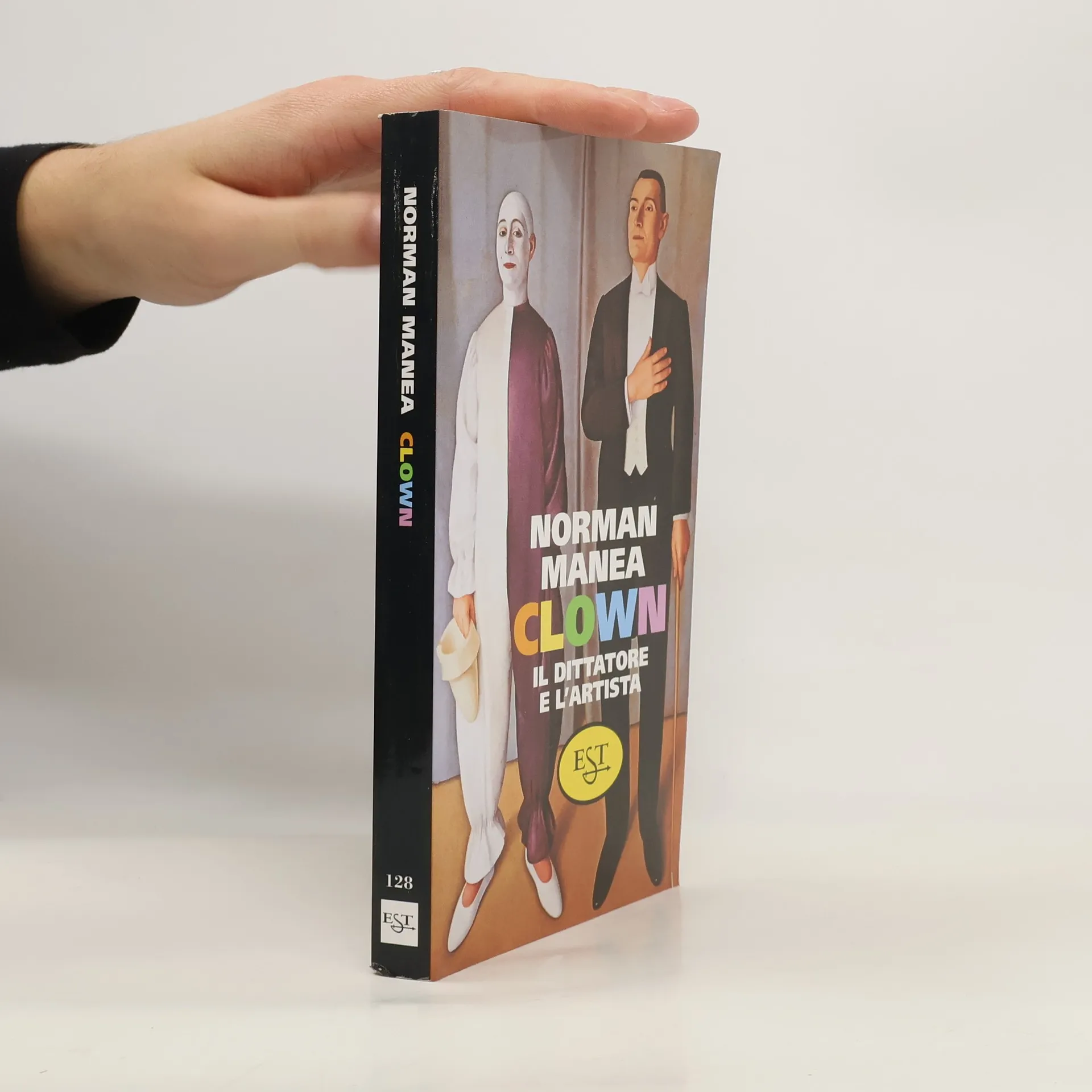
Clown. Il dittatore e l'artista, Norman Manea
- Jazyk

- Rok vydania
- 1999
- Väzba
- (mäkká)
Doručenie
Platobné metódy
Tu nám chýba tvoja recenzia
- Titul
- Clown. Il dittatore e l'artista
- Jazyk
- taliansky
- Autori
- Norman Manea
- Vydavateľ
- Il Saggiatore
- Rok vydania
- 1999
- Väzba
- mäkká
- Počet strán
- 245
- ISBN10
- 8842805041
- ISBN13
- 9788842805045
- Série
- Hodnotenie
- 3,5 z 5
- Anotácia
- The overthrow of Nicolae Ceausescu exposed a regime of grim despotism that defies comprehension. For Norman Manea, who left Romania in 1986, the terror imposed on citizens was matched by the irrevocable choices forced upon artists. In his exploration of the pain, anger, and fear confronting the creative mind under tyranny, Manea meticulously catalogs the techniques through which malevolent power binds artists: the subtle torture of censorship, the politics of substitution, and the opiates of nationalism and ideology. He also highlights what artists rely on to survive these conditions: the disguise of the buffoon, an aesthetic intertwined with ethics, a disdain for mediocrity, and, when possible, a defiant raspberry to the dictator. Manea's Central European identity shapes his perspective, reflecting a spiritual outlook and cultural horizons akin to those of Kundera and Milosz. He cites Danilo Kis, noting that "Consciousness of belonging to Central Europe is itself in the end a kind of dissidence!" Manea demonstrates that artistic creativity and intellectual freedom transcend mere dissidence; they embody a morality that opposes the "captive mind" of Communist dictatorship, allowing artists to endure and resist oppression.