

Viac o knihe
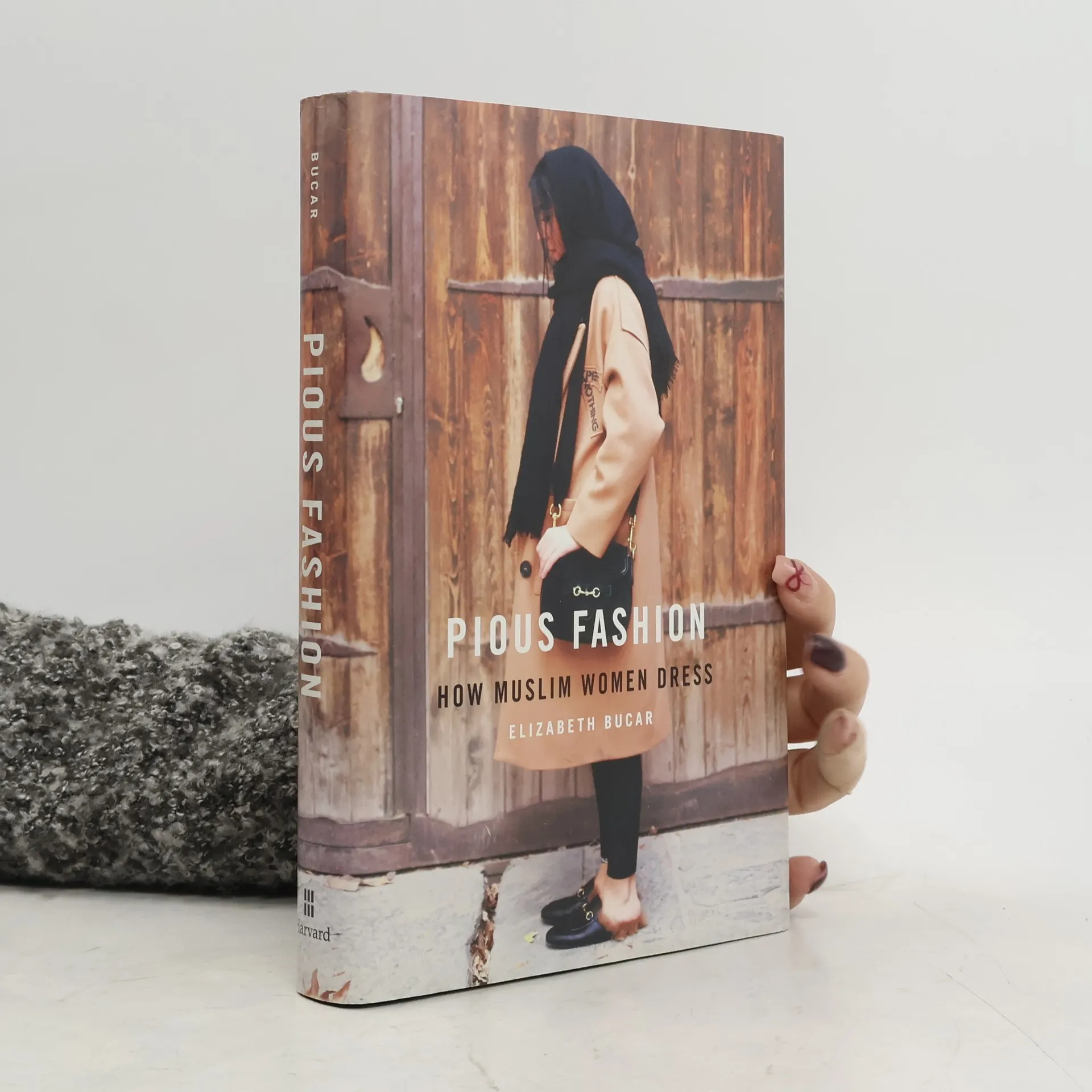
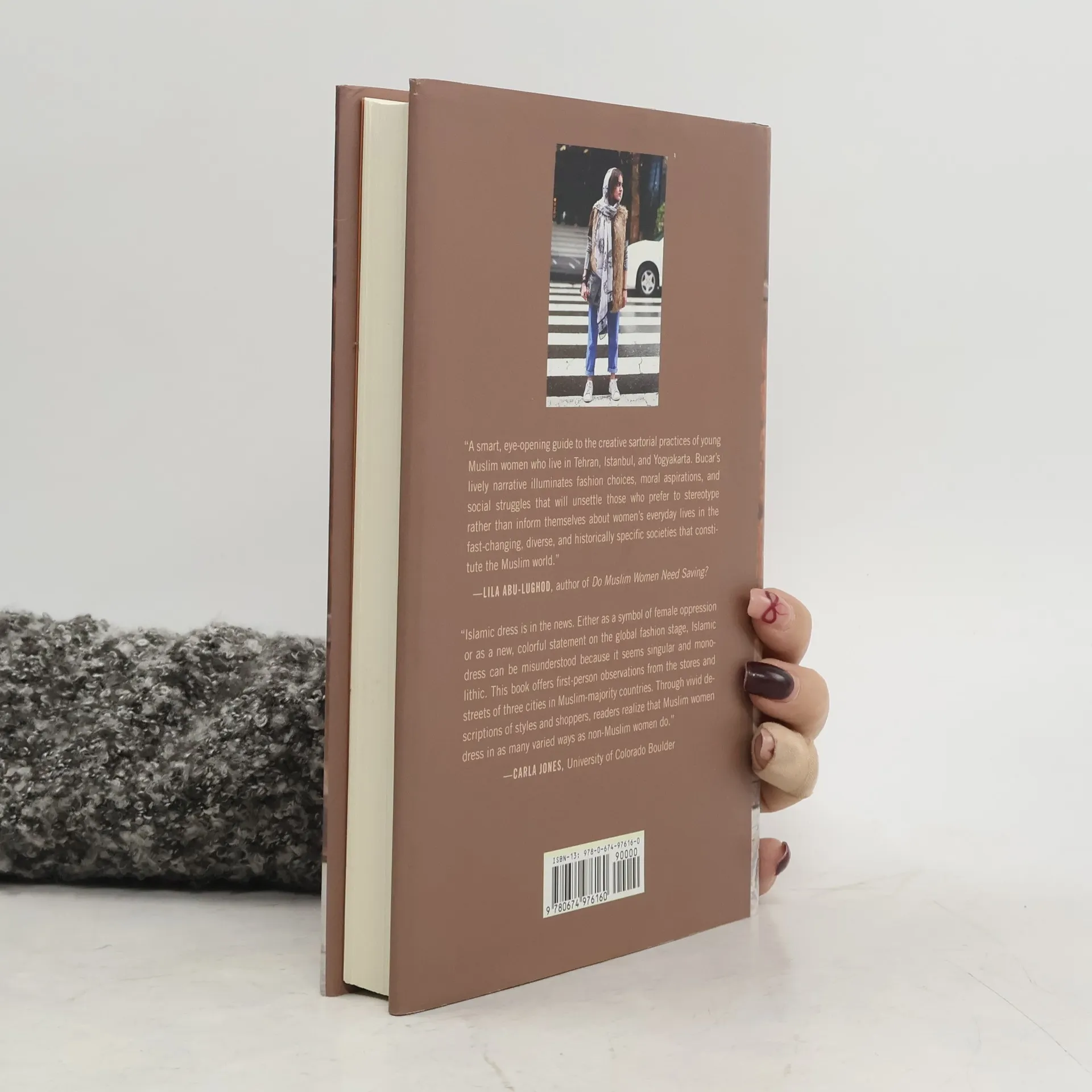
For many Westerners, the Islamic veil symbolizes women's oppression, but Liz Bucar offers a different perspective on Muslim women's clothing. She contends that modest attire signifies more than social control or religious orthodoxy. Today, headscarves are creatively styled to enhance the head and face, with colors and textures reflecting individual tastes and challenging aesthetic norms. Brand-name clothing and accessories convey social distinction and are part of a thriving ready-to-wear industry, with even mainstream international chains catering to hijabis. This is more than just a veil; it represents pious fashion that engages with aesthetic values tied to moral authority, consumption, and self-identity. Bucar's engaging writing, based on firsthand accounts, invites readers to explore how women in three Muslim-majority countries approach the question of "What to wear?" By examining fashion trends in Tehran, Yogyakarta, and Istanbul, as well as the influences of clerics, designers, politicians, and bloggers, she concludes that pious fashion is shaped largely by local aesthetic and moral values rather than solely by religious doctrine. Bucar defines modesty in Islamic dress as a dynamic social practice, where Muslim women, like their non-Muslim counterparts, curate styles from available clothing and accessories that they find both appropriate and appealing.
Nákup knihy
Pious Fashion, Elizabeth M. Bucar
- Jazyk

- Rok vydania
- 2017
- Väzba
- (pevná)
Tu nám chýba tvoja recenzia
- Titul
- Pious Fashion
- Podtitul
- How Muslim Women Dress
- Jazyk
- anglicky
- Autori
- Elizabeth M. Bucar
- Vydavateľ
- Harvard University Press
- Rok vydania
- 2017
- Väzba
- pevná
- Počet strán
- 235
- ISBN10
- 0674976169
- ISBN13
- 9780674976160
- Série
- Kategórie
- Štítky
- Náboženské témy, Umenie, USA, Turecko, Irán, Indonézia, Moslimské ženy
- Hodnotenie
- 3,9 z 5
- Anotácia
- For many Westerners, the Islamic veil symbolizes women's oppression, but Liz Bucar offers a different perspective on Muslim women's clothing. She contends that modest attire signifies more than social control or religious orthodoxy. Today, headscarves are creatively styled to enhance the head and face, with colors and textures reflecting individual tastes and challenging aesthetic norms. Brand-name clothing and accessories convey social distinction and are part of a thriving ready-to-wear industry, with even mainstream international chains catering to hijabis. This is more than just a veil; it represents pious fashion that engages with aesthetic values tied to moral authority, consumption, and self-identity. Bucar's engaging writing, based on firsthand accounts, invites readers to explore how women in three Muslim-majority countries approach the question of "What to wear?" By examining fashion trends in Tehran, Yogyakarta, and Istanbul, as well as the influences of clerics, designers, politicians, and bloggers, she concludes that pious fashion is shaped largely by local aesthetic and moral values rather than solely by religious doctrine. Bucar defines modesty in Islamic dress as a dynamic social practice, where Muslim women, like their non-Muslim counterparts, curate styles from available clothing and accessories that they find both appropriate and appealing.