

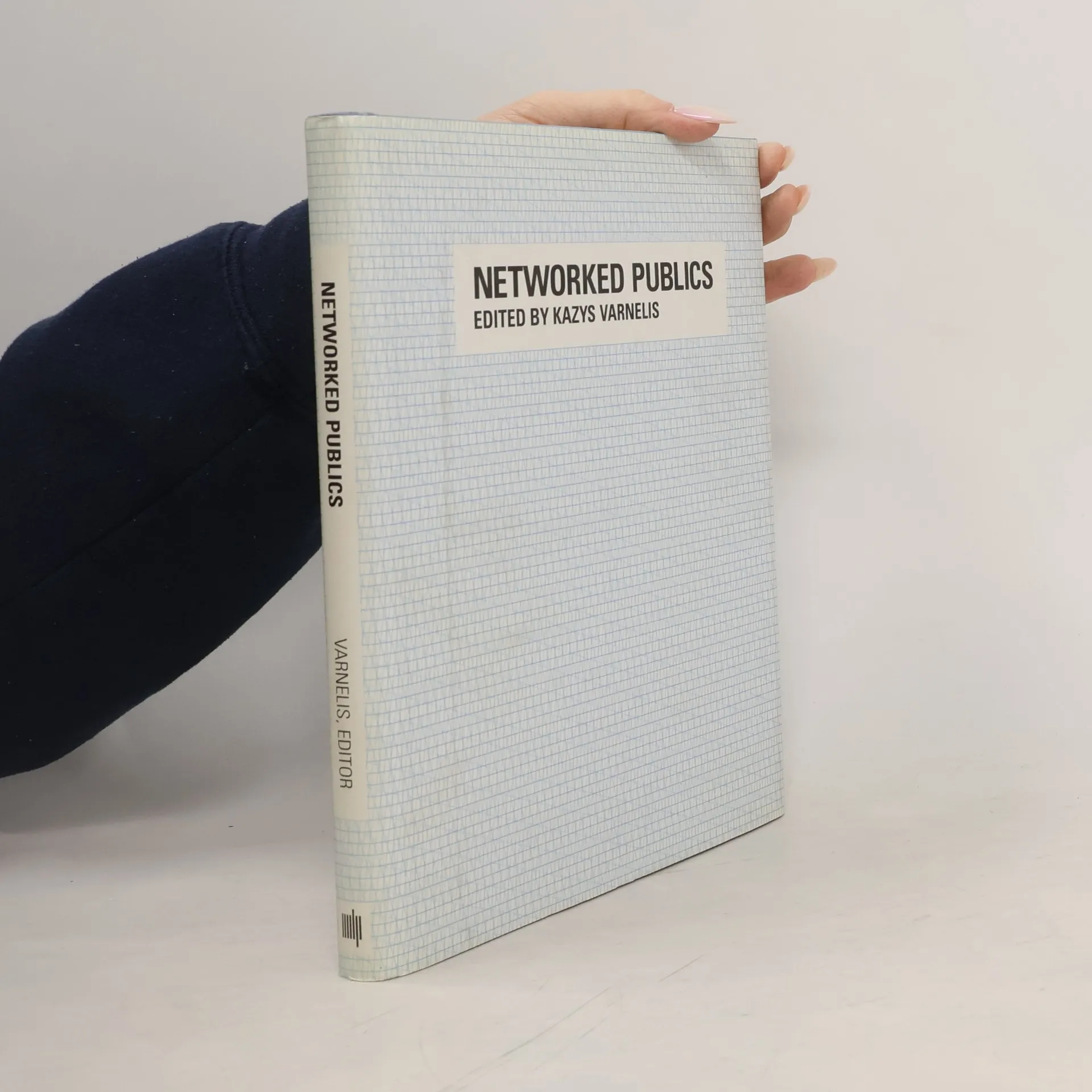


Parametre
- 176 stránok
- 7 hodin čítania
Viac o knihe
Digital media and network technologies are now part of everyday life. The Internet has become the backbone of communication, commerce, and media; the ubiquitous mobile phone connects us with others as it removes us from any stable sense of location. Networked Publics examines the ways that the social and cultural shifts created by these technologies have transformed our relationships to (and definitions of) place, culture, politics, and infrastructure. Four chapters--each by an interdisciplinary team of scholars using collaborative software--provide a synoptic overview along with illustrative case studies. The chapter on place describes how digital networks enable us to be present in physical and networked places simultaneously--often at the expense of nondigital commitments. The chapter on culture explores the growth and impact of amateur-produced and remixed content online. The chapter on politics examines the new networked modes of bottom-up political expression and mobilization. And finally, the chapter on infrastructure notes the tension between openness and control in the flow of information, as seen in the current controversy over net neutrality.
Nákup knihy
Networked Publics, Kazys Varnelis
- Jazyk

- Rok vydania
- 2008
- Väzba
- (pevná)
Doručenie
Platobné metódy
Tu nám chýba tvoja recenzia
- Titul
- Networked Publics
- Jazyk
- anglicky
- Autori
- Kazys Varnelis
- Vydavateľ
- MIT Press
- Rok vydania
- 2008
- Väzba
- pevná
- Počet strán
- 176
- ISBN10
- 0262220857
- ISBN13
- 9780262220859
- Série
- Kategórie
- Štítky
- Byznys, Veda, USA, Technológia, Odborná literatúra, Média a mediálna komunikácia, Internet, Priemysel, Sociálne aspekty, Politické aspekty
- Hodnotenie
- 3,75 z 5
- Anotácia
- Digital media and network technologies are now part of everyday life. The Internet has become the backbone of communication, commerce, and media; the ubiquitous mobile phone connects us with others as it removes us from any stable sense of location. Networked Publics examines the ways that the social and cultural shifts created by these technologies have transformed our relationships to (and definitions of) place, culture, politics, and infrastructure. Four chapters--each by an interdisciplinary team of scholars using collaborative software--provide a synoptic overview along with illustrative case studies. The chapter on place describes how digital networks enable us to be present in physical and networked places simultaneously--often at the expense of nondigital commitments. The chapter on culture explores the growth and impact of amateur-produced and remixed content online. The chapter on politics examines the new networked modes of bottom-up political expression and mobilization. And finally, the chapter on infrastructure notes the tension between openness and control in the flow of information, as seen in the current controversy over net neutrality.