

Parametre
- 224 stránok
- 8 hodin čítania
Viac o knihe
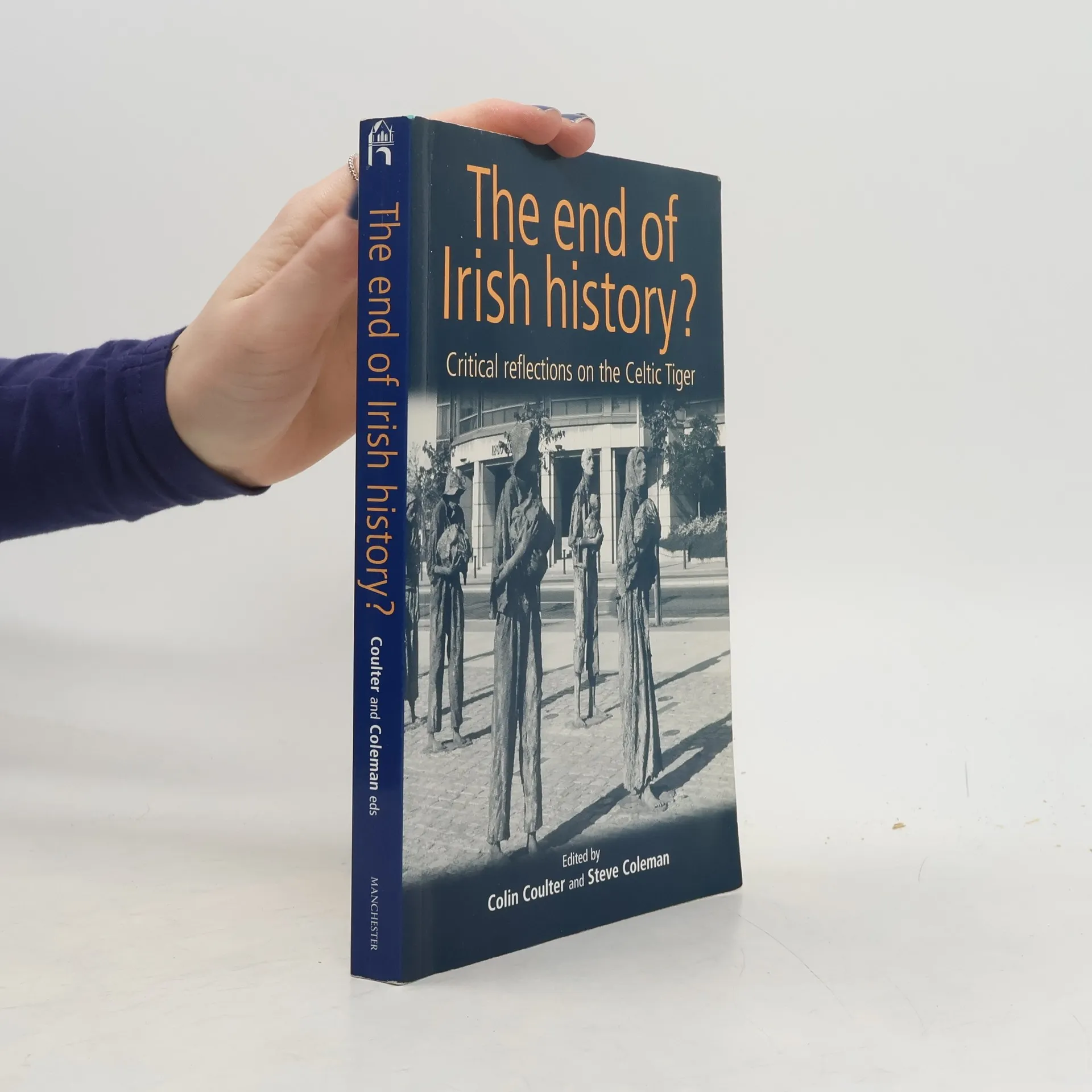
Ireland appears to be in the throes of a remarkable process of social change. The purpose of this book is to systematically scrutinize the interpretations and prescriptions that inform the deceptively simple metaphor of the "Celtic Tiger." The standpoint of the book is that a more critical approach to the course of development being followed by the Republic is urgently required. The essays collected here set out to expose the fallacies that drive the fashionable rhetoric of Tigerhood. Four of these fallacies--that Ireland has cast off the chains of economic dependency, that everyone is benefiting from the economic recovery, that personal freedom and liberty are at an unprecedented level for all citizens, and that Ireland is also experiencing a period of strong cultural renaissance--are vigorously challenged.
Nákup knihy
The End of Irish History?, Colin Coulter, Steve Coleman
- Jazyk

- Rok vydania
- 2003
- Väzba
- (mäkká)
Doručenie
Platobné metódy
Tu nám chýba tvoja recenzia
- Titul
- The End of Irish History?
- Podtitul
- Reflections on the Celtic Tiger
- Jazyk
- anglicky
- Autori
- Colin Coulter, Steve Coleman
- Vydavateľ
- Manchester University Press
- Rok vydania
- 2003
- Väzba
- mäkká
- Počet strán
- 224
- ISBN10
- 0719062314
- ISBN13
- 9780719062315
- Série
- Kategórie
- Štítky
- Historické téma, Byznys, Právna tematika, Politika, 20. storočie, Európa, Odborná literatúra, Veľká Británia, Dejiny Európy, Politické teórie, Zbierka spisov, Írsko, Vývoj, Občianske právo, Hospodárske dejiny, Civilizácia, Hospodárska politika, Národná identita, Sociálna politika, Spoločenské pomery
- Hodnotenie
- 4 z 5
- Anotácia
- Ireland appears to be in the throes of a remarkable process of social change. The purpose of this book is to systematically scrutinize the interpretations and prescriptions that inform the deceptively simple metaphor of the "Celtic Tiger." The standpoint of the book is that a more critical approach to the course of development being followed by the Republic is urgently required. The essays collected here set out to expose the fallacies that drive the fashionable rhetoric of Tigerhood. Four of these fallacies--that Ireland has cast off the chains of economic dependency, that everyone is benefiting from the economic recovery, that personal freedom and liberty are at an unprecedented level for all citizens, and that Ireland is also experiencing a period of strong cultural renaissance--are vigorously challenged.