

Viac o knihe
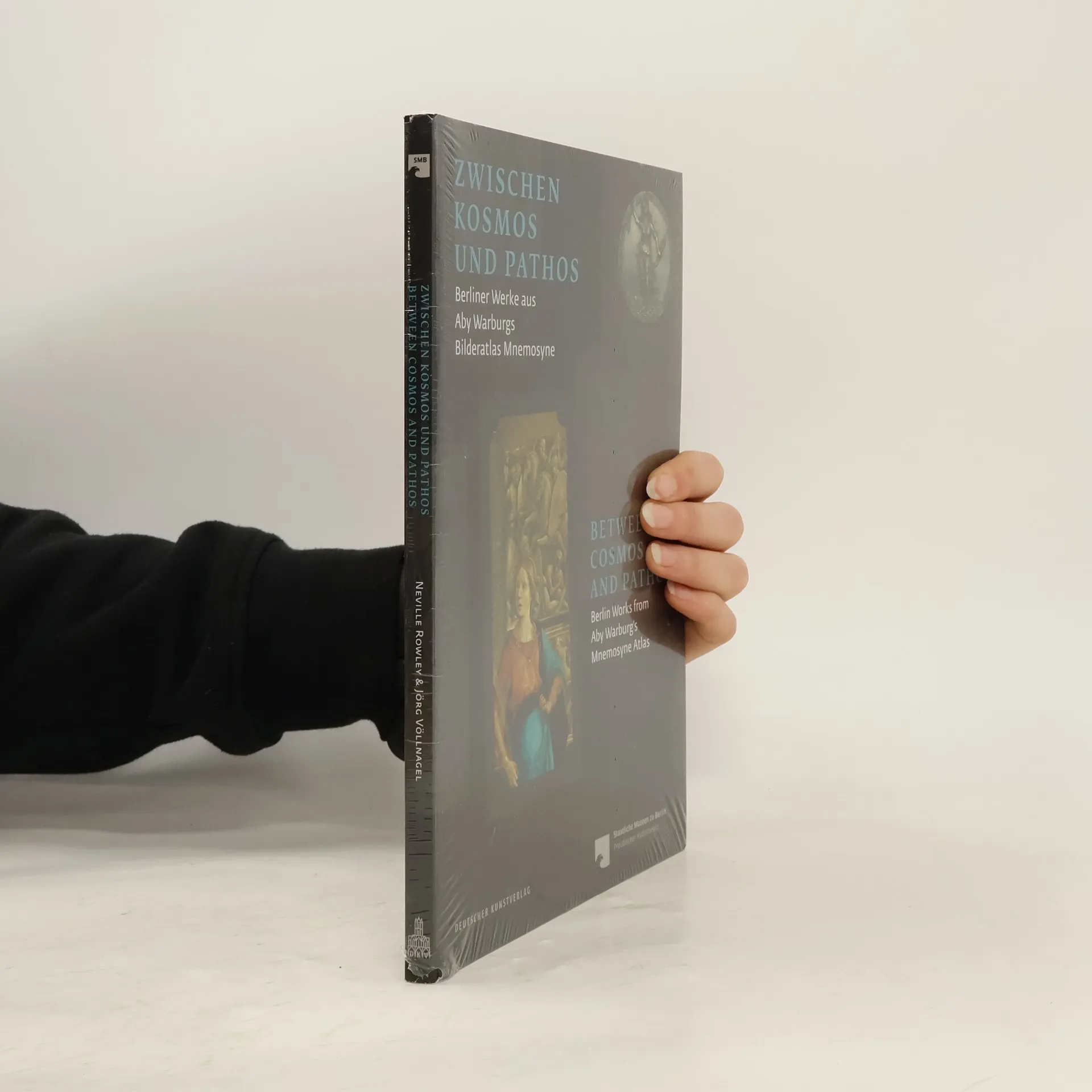
Aby Warburg, one of the most important art-historians of the late nineteenth and early twentieth century, studied the "afterlife" of ancient motifs in European culture since the Renaissance, with the conviction that antiquity had an archetypical, emotional significance for Renaissance artists that is revealed in key motifs and core issues. Warburg’s final work was his Mnemosyne Atlas , a collection of nearly 1000 images summarizing his studies and showing new directions in visual culture. The book for the exhibition at the Gemäldegalerie, Berlin, presents nearly fifty original artworks from ten collections of the Staatliche Museen zu Berlin that Warburg selected for the atlas. They illustrate relationships between works and cultures that transcend the boundaries of time and space and simultaneously explain the complex thinking that underlies Warburg’s atlas exemplarily.
Nákup knihy
Zwischen Kosmos und Pathos, Neville Rowley, Jörg Völlnagel
- Jazyk

- Rok vydania
- 2020
- Väzba
- (mäkká)
Nikto zatiaľ neohodnotil.
- Titul
- Zwischen Kosmos und Pathos
- Jazyk
- anglicky
- Autori
- Neville Rowley, Jörg Völlnagel
- Vydavateľ
- Deutscher Kunstverlag
- Rok vydania
- 2020
- Väzba
- mäkká
- Počet strán
- 120
- ISBN10
- 3422982884
- ISBN13
- 9783422982888
- Série
- Štítky
- Umenie, Katalógy výstav, Dejiny umenia, Renesancia
- Anotácia
- Aby Warburg, one of the most important art-historians of the late nineteenth and early twentieth century, studied the "afterlife" of ancient motifs in European culture since the Renaissance, with the conviction that antiquity had an archetypical, emotional significance for Renaissance artists that is revealed in key motifs and core issues. Warburg’s final work was his Mnemosyne Atlas , a collection of nearly 1000 images summarizing his studies and showing new directions in visual culture. The book for the exhibition at the Gemäldegalerie, Berlin, presents nearly fifty original artworks from ten collections of the Staatliche Museen zu Berlin that Warburg selected for the atlas. They illustrate relationships between works and cultures that transcend the boundaries of time and space and simultaneously explain the complex thinking that underlies Warburg’s atlas exemplarily.