

Viac o knihe
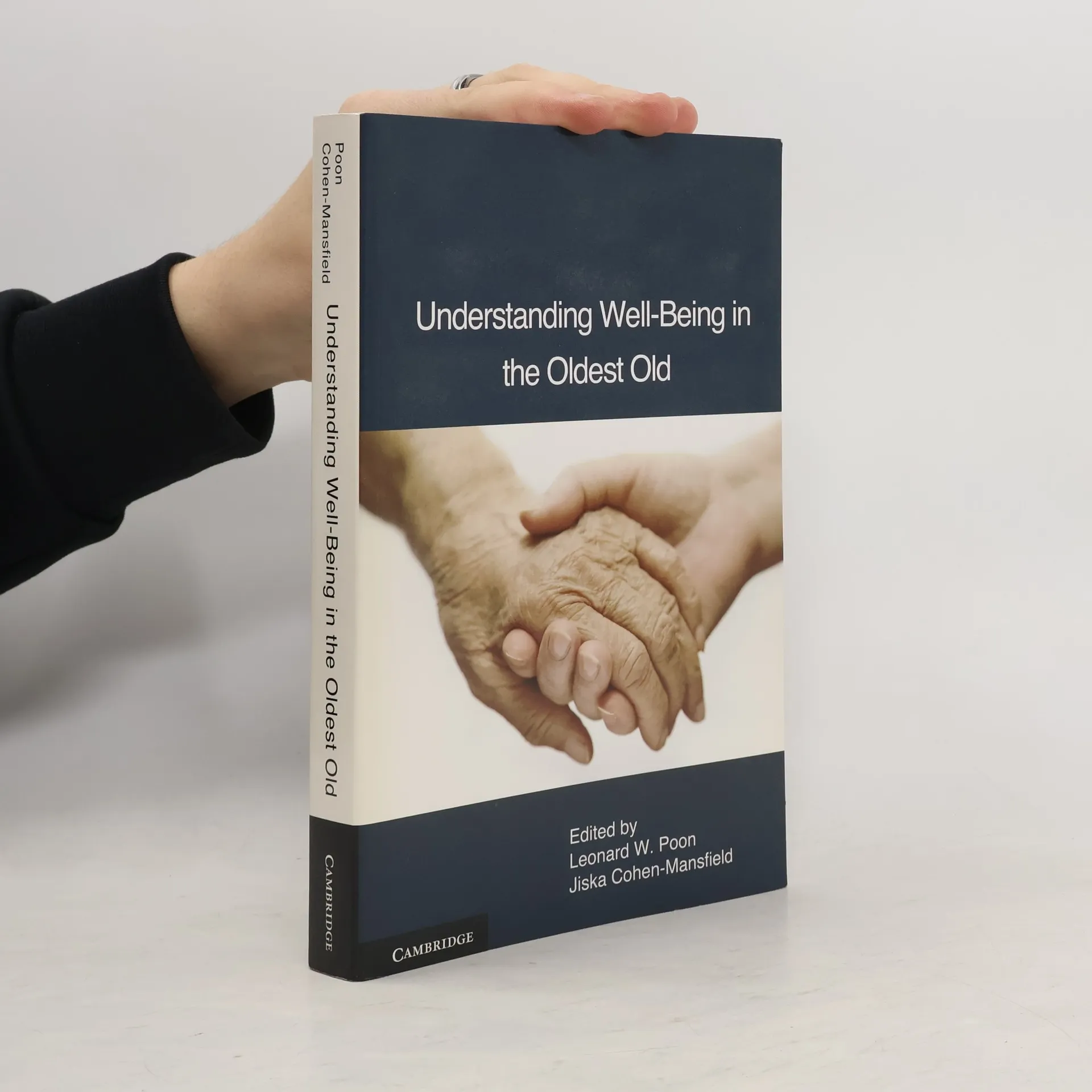
The demographic and social structure of most industrialized and developing countries are changing rapidly as infant mortality is reduced and population life span has increased in dramatic ways. In particular, the oldest-old (85+) population has grown and will continue to grow. This segment of the population tends to suffer physical and cognitive decline, and little information is available to describe how their positive and negative distal experiences, habits, and intervening proximal environmental influences impact their well-being, and how social and health policies can help meet the unique challenges they face. Understanding Well-Being in the Oldest Old is the outcome of a four-day workshop attended by U.S. and Israeli scientists and funded by the U.S.-Israel Bi-National Science Foundation to examine both novel and traditional paradigms that could extend our knowledge and understanding of the well-being of the oldest old. This volume engages social scientists in sharing methods of understanding, and thereby possibly improving, the quality of life of older populations, especially among the oldest old.
Nákup knihy
Understanding Well-Being in the Oldest Old, Leonard W. Poon, Jiska Cohen-Mansfield
- Jazyk

- Rok vydania
- 2011
- Väzba
- (mäkká)
Tu nám chýba tvoja recenzia
- Titul
- Understanding Well-Being in the Oldest Old
- Jazyk
- anglicky
- Vydavateľ
- Cambridge University Press
- Rok vydania
- 2011
- Väzba
- mäkká
- Počet strán
- 408
- ISBN10
- 0521132002
- ISBN13
- 9780521132008
- Série
- Štítky
- Príručky a návody, Právna tematika, USA, Odborná literatúra, Zbierka spisov, Staroba, Starnutie, Vývojová psychológia, Psychologické aspekty, Spoločenské pomery, Kvalita života
- Hodnotenie
- 3,5 z 5
- Anotácia
- The demographic and social structure of most industrialized and developing countries are changing rapidly as infant mortality is reduced and population life span has increased in dramatic ways. In particular, the oldest-old (85+) population has grown and will continue to grow. This segment of the population tends to suffer physical and cognitive decline, and little information is available to describe how their positive and negative distal experiences, habits, and intervening proximal environmental influences impact their well-being, and how social and health policies can help meet the unique challenges they face. Understanding Well-Being in the Oldest Old is the outcome of a four-day workshop attended by U.S. and Israeli scientists and funded by the U.S.-Israel Bi-National Science Foundation to examine both novel and traditional paradigms that could extend our knowledge and understanding of the well-being of the oldest old. This volume engages social scientists in sharing methods of understanding, and thereby possibly improving, the quality of life of older populations, especially among the oldest old.