

Viac o knihe
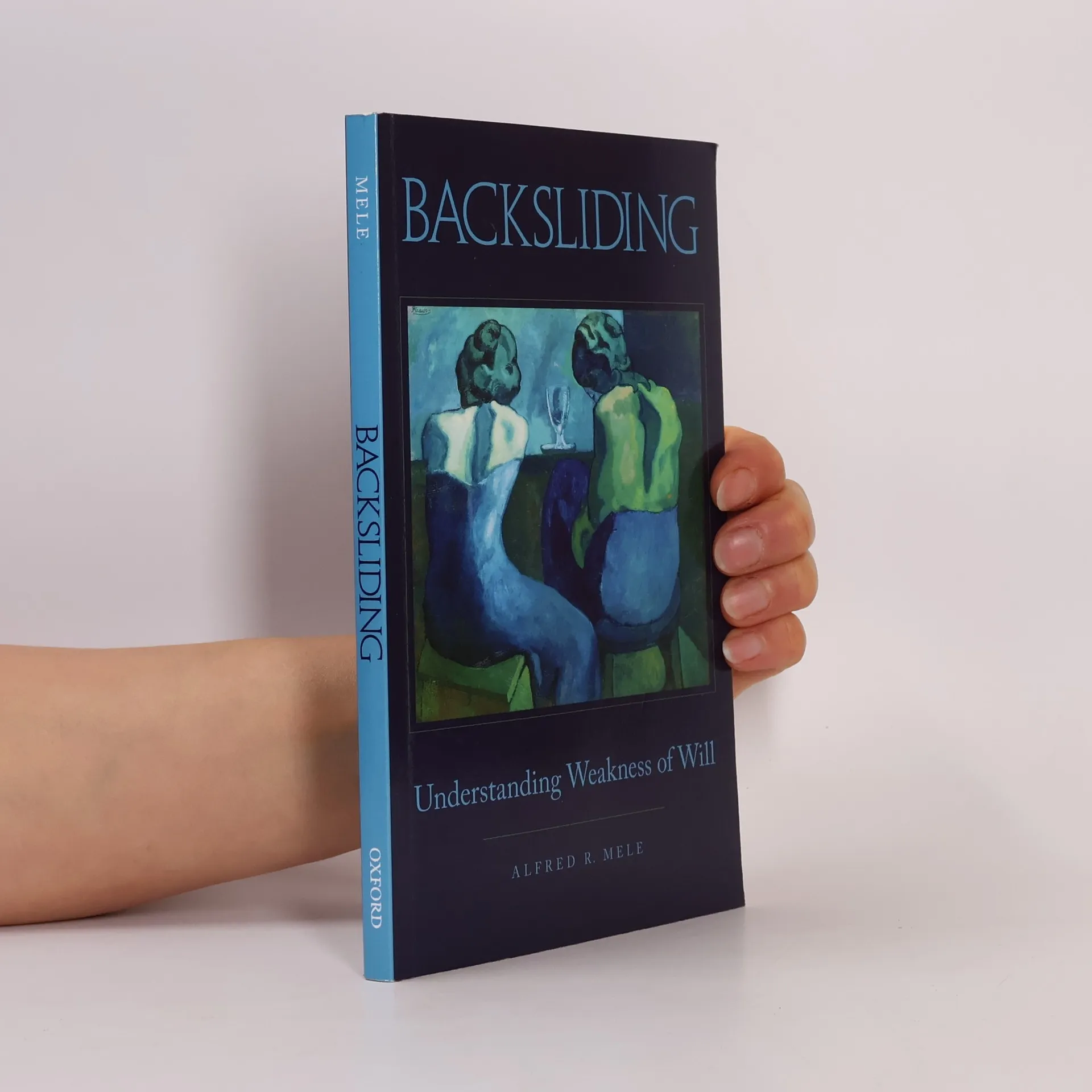
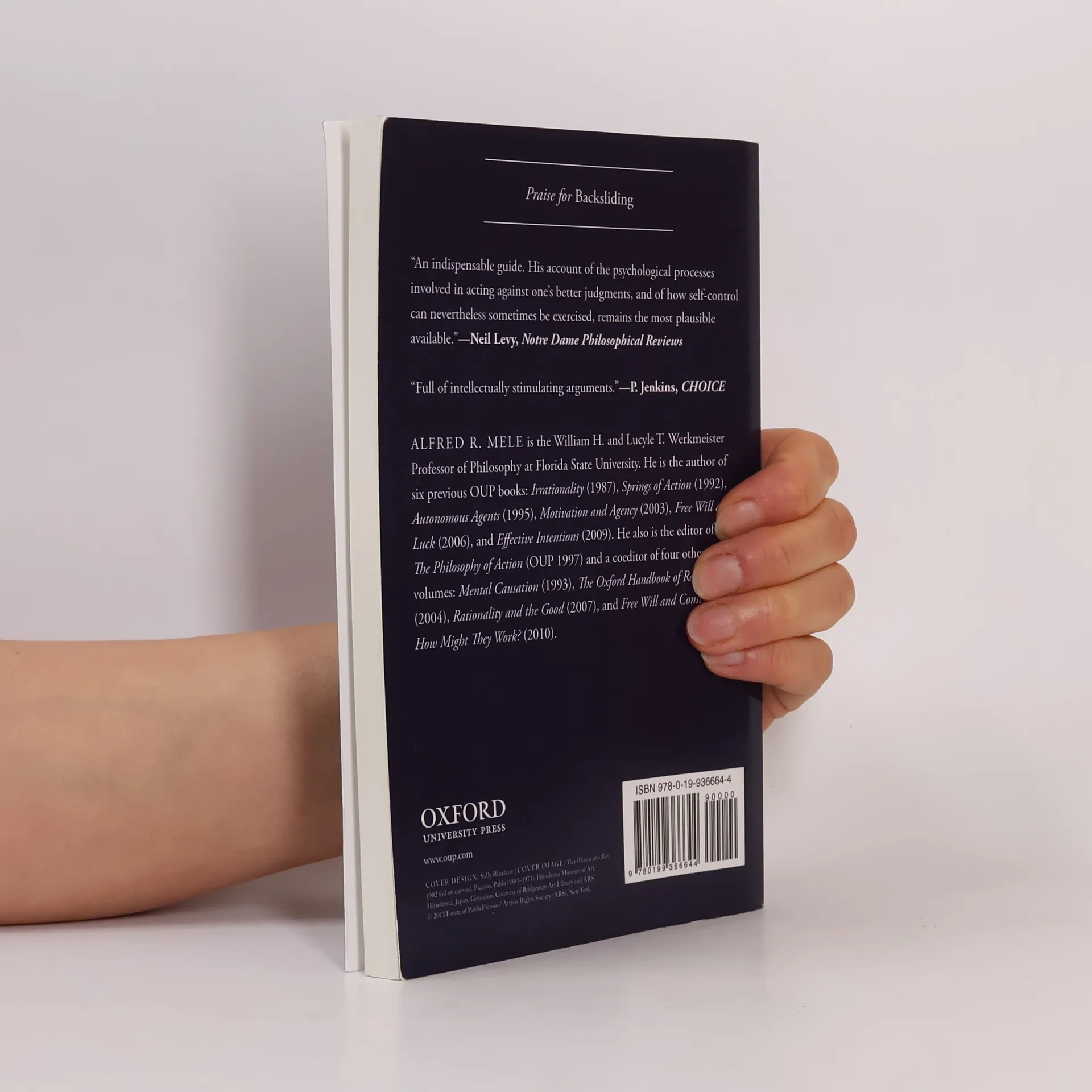
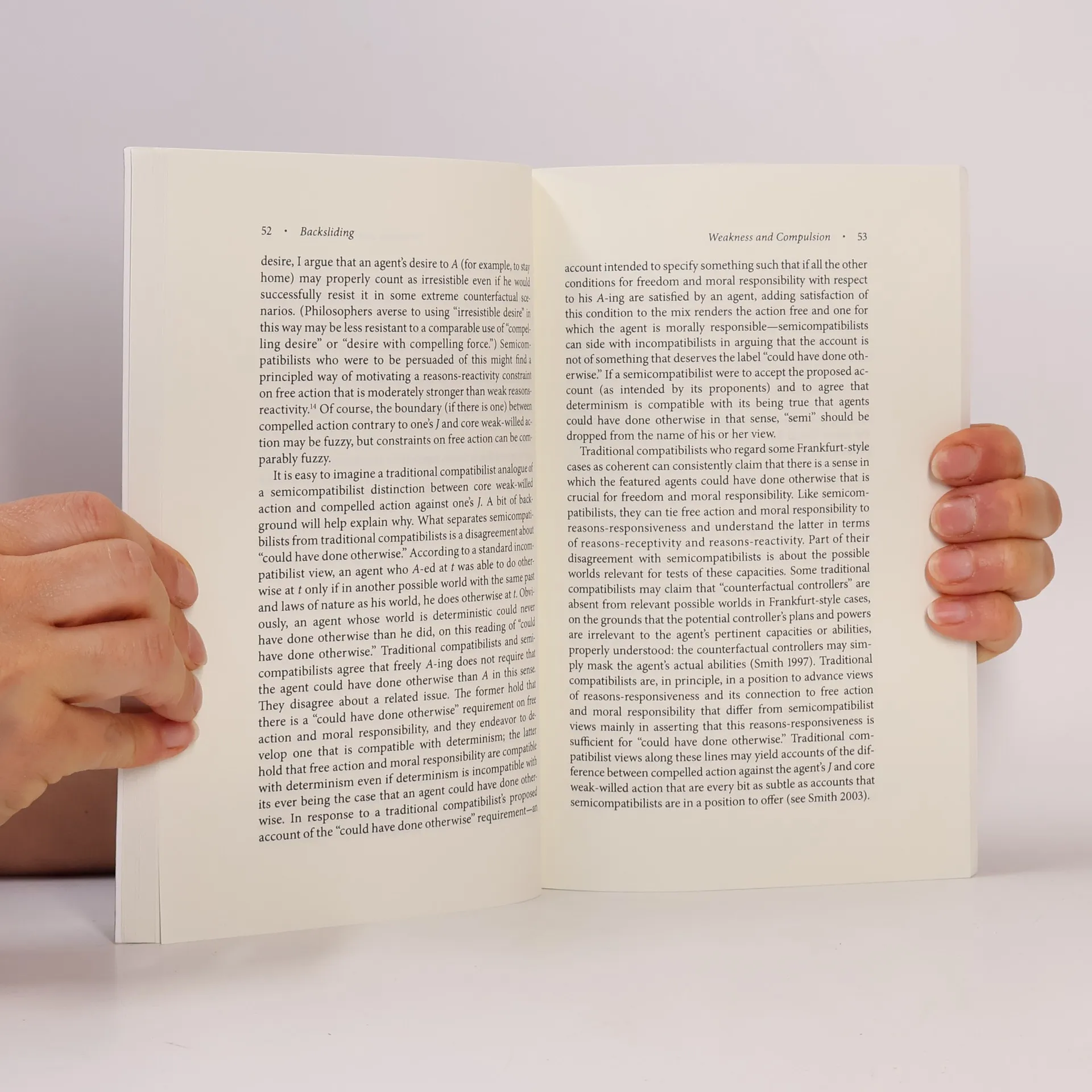
People backslide.They freely do things they believe it would be best on the whole not to do -- a judgment developed from their own point of view, not just the perspective of their peers or their parents. The aim of this book is to to clarify the nature of backsliding - of actions that display some weakness of will -- using traditional philosophical techniques that date back to Plato and Aristotle (whose work on weakness of will or "akrasia" he discusses) and some new studies in the emerging field of experimental philosophy. Mele then attacks the thesis that backsliding is an illusion because people never freely act contrarily to what they judge is best. He argues that it is extremely plausible that if people ever act freely, they sometimes backslide. At the book's heart is the development of a theoretical and empirical framework that sheds light both on backsliding and on exercises of self-control that prevent it. Here, Mele draws on work in social and developmental psychology and in psychiatry to motivate a view of human behavior in which both backsliding and overcoming the temptation to backslide are explicable. He argues that backsliding is no illusion and our theories about the springs of action, the power of evaluative judgments, human agency, human rationality, practical reasoning, and motivation should accommodate backsliding.
Nákup knihy
Backsliding, Alfred R. Mele
- Jazyk

- Rok vydania
- 2014
- Väzba
- (mäkká)
Doručenie
Platobné metódy
Tu nám chýba tvoja recenzia
- Titul
- Backsliding
- Podtitul
- Understanding Weakness of Will
- Jazyk
- anglicky
- Autori
- Alfred R. Mele
- Vydavateľ
- Oxford University Press
- Rok vydania
- 2014
- Väzba
- mäkká
- Počet strán
- 145
- ISBN10
- 0199366640
- ISBN13
- 9780199366644
- Série
- Kategórie
- Štítky
- Psychologická tematika, Príručky a návody, Filozofická tematika, USA, Odborná literatúra, Etika, Sociálna psychológia
- Hodnotenie
- 5 z 5
- Anotácia
- People backslide.They freely do things they believe it would be best on the whole not to do -- a judgment developed from their own point of view, not just the perspective of their peers or their parents. The aim of this book is to to clarify the nature of backsliding - of actions that display some weakness of will -- using traditional philosophical techniques that date back to Plato and Aristotle (whose work on weakness of will or "akrasia" he discusses) and some new studies in the emerging field of experimental philosophy. Mele then attacks the thesis that backsliding is an illusion because people never freely act contrarily to what they judge is best. He argues that it is extremely plausible that if people ever act freely, they sometimes backslide. At the book's heart is the development of a theoretical and empirical framework that sheds light both on backsliding and on exercises of self-control that prevent it. Here, Mele draws on work in social and developmental psychology and in psychiatry to motivate a view of human behavior in which both backsliding and overcoming the temptation to backslide are explicable. He argues that backsliding is no illusion and our theories about the springs of action, the power of evaluative judgments, human agency, human rationality, practical reasoning, and motivation should accommodate backsliding.