

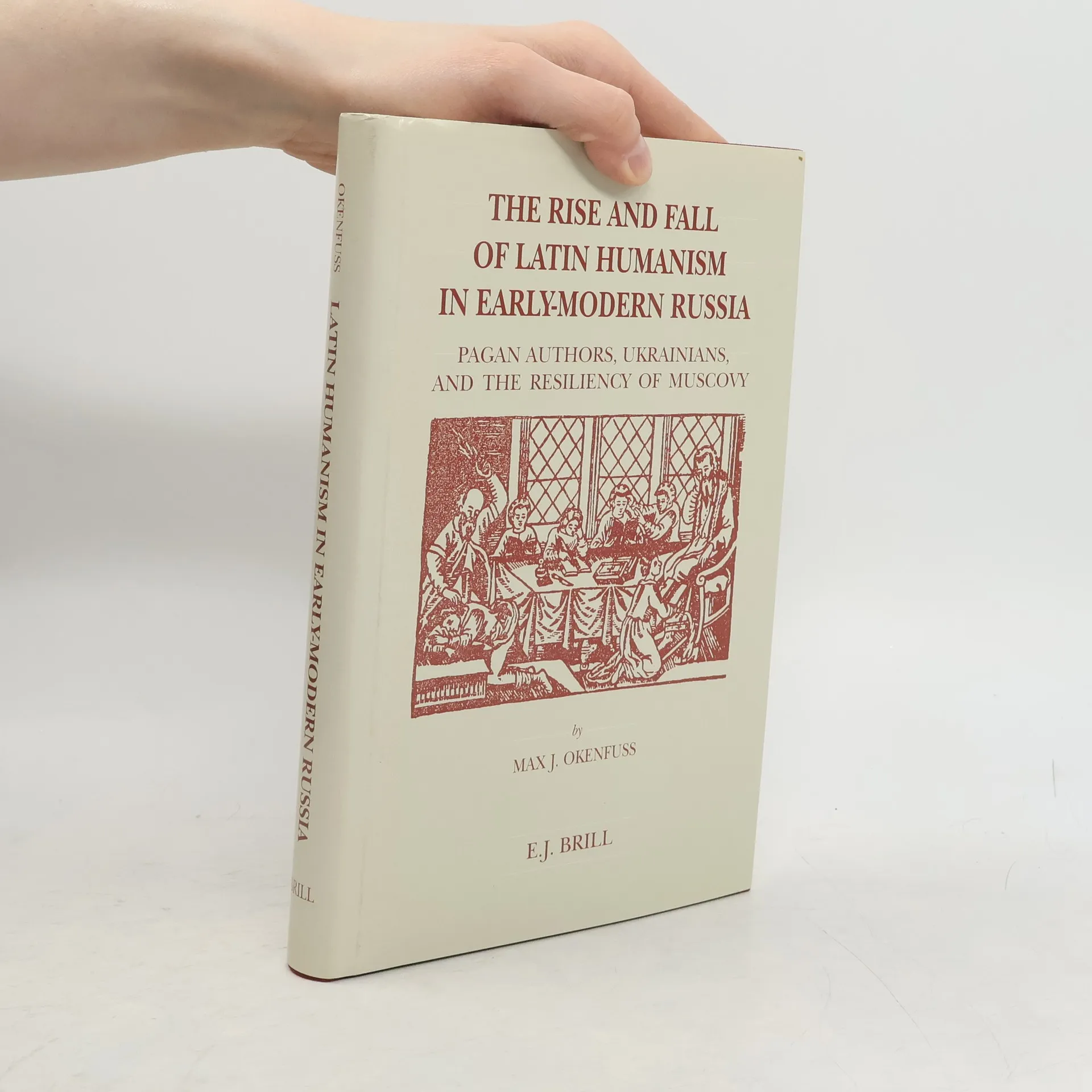

The Rise and Fall of Latin Humanism in Early Modern Russia
Autori
Hodnotenie knihy
Viac o knihe
The Rise and Fall of Latin Humanismus in Early Modern Russia argues that, between 1650 and 1789, Russia flirted with Western Europe's Latin Humanism. However, all levels of society, especially the nobility, consistently rejected the pagan authors of Latinate culture, propagated by Ukrainian clergy.An examination of the printing industry, Latin teaching, and private libraries in Russia, and excursions into the thought of Russia's "enlighteners" demonstrate that Latin authors had little impact on Russia, especially the nobility, traditionally regarded as the advocate of Western educational and cultural values.The book contributes to our understanding of the reforms of Peter the Great, of Catherine's "enlightened" reputation, of the origins of the intelligentsia, and of the cultural ties between Russians and the peoples they annexed in early modern times.
Nákup knihy
The Rise and Fall of Latin Humanism in Early Modern Russia, Max Joseph Okenfuss
- Jazyk

- Rok vydania
- 1995
- Väzba
- (pevná)
Doručenie
Platobné metódy
Tu nám chýba tvoja recenzia
- Titul
- The Rise and Fall of Latin Humanism in Early Modern Russia
- Jazyk
- anglicky
- Autori
- Max Joseph Okenfuss
- Vydavateľ
- Brill
- Rok vydania
- 1995
- Väzba
- pevná
- Počet strán
- 290
- ISBN10
- 9004103317
- ISBN13
- 9789004103313
- Série
- Hodnotenie
- 3 z 5
- Anotácia
- The Rise and Fall of Latin Humanismus in Early Modern Russia argues that, between 1650 and 1789, Russia flirted with Western Europe's Latin Humanism. However, all levels of society, especially the nobility, consistently rejected the pagan authors of Latinate culture, propagated by Ukrainian clergy.An examination of the printing industry, Latin teaching, and private libraries in Russia, and excursions into the thought of Russia's "enlighteners" demonstrate that Latin authors had little impact on Russia, especially the nobility, traditionally regarded as the advocate of Western educational and cultural values.The book contributes to our understanding of the reforms of Peter the Great, of Catherine's "enlightened" reputation, of the origins of the intelligentsia, and of the cultural ties between Russians and the peoples they annexed in early modern times.