

Parametre
- 246 stránok
- 9 hodin čítania
Viac o knihe
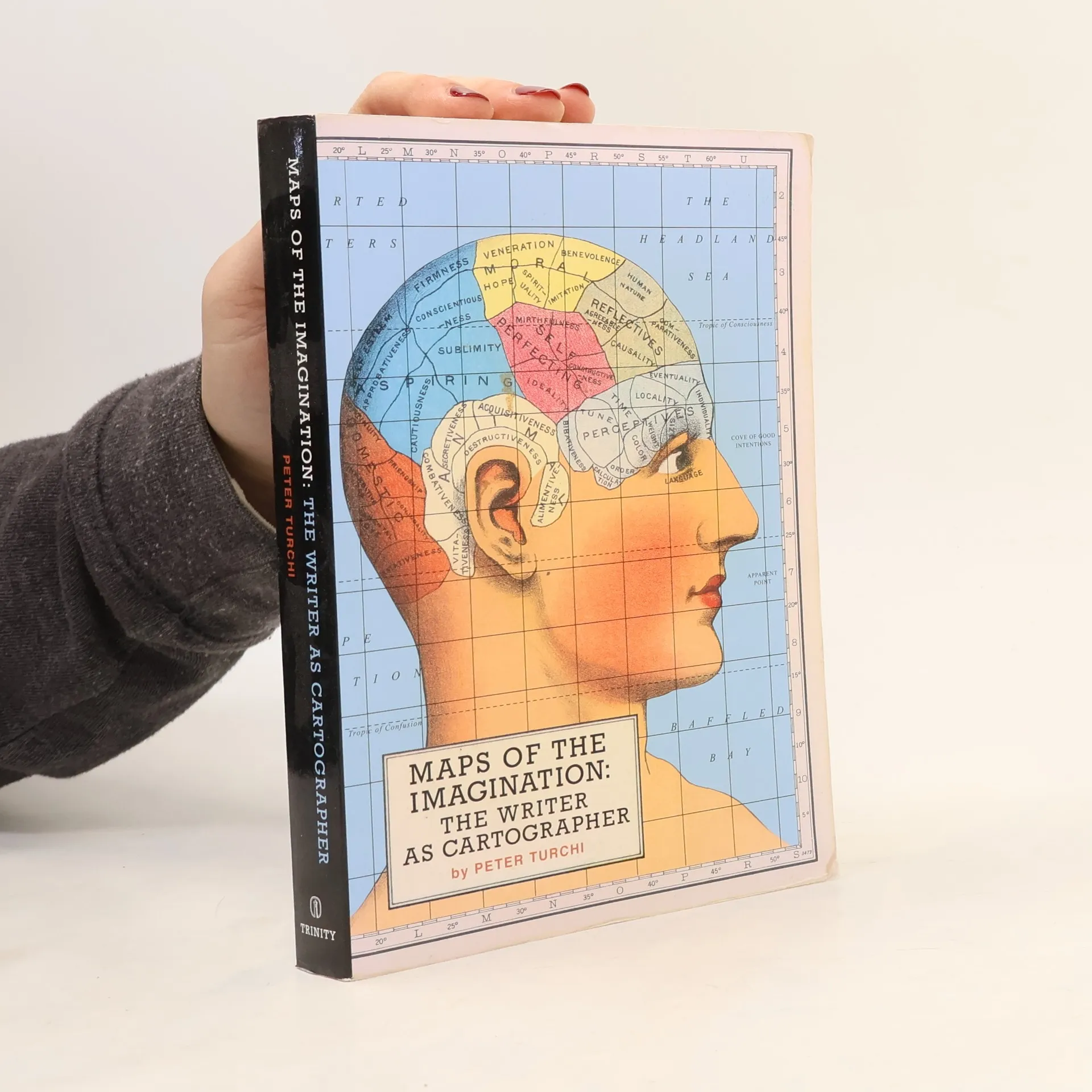
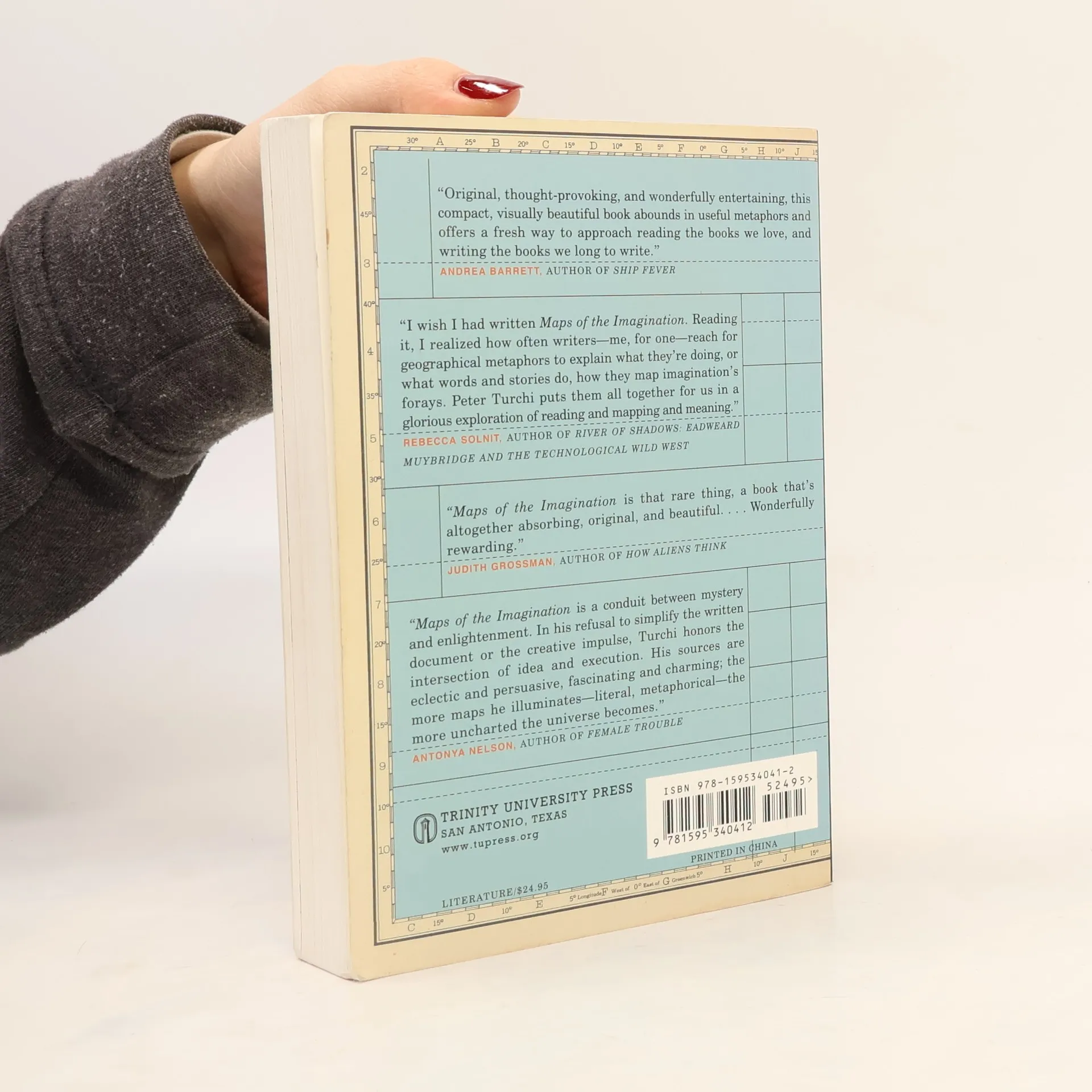
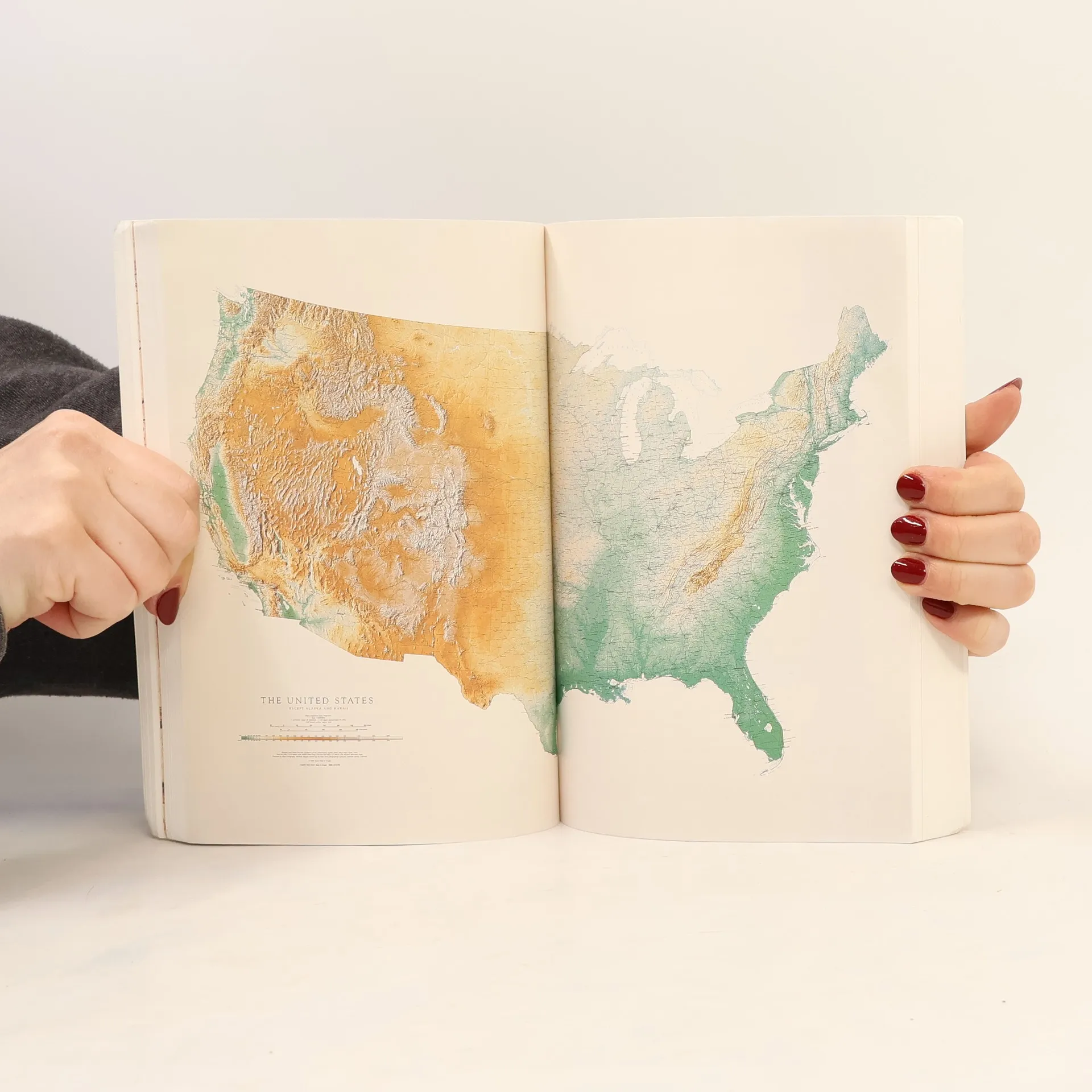
In Maps of the Imagination, Peter Turchi posits the idea that maps help people understand where they are in the world in the same way that literature, whether realistic or experimental, attempts to explain human realities. The author explores how writers and cartographers use many of the same devices for plotting and executing their work, making crucial decisions about what to include and what to leave out, in order to get from here to there, without excess baggage or a confusing surplus of information. Turchi traces the history of maps, from their initial decorative and religious purposes to their later instructional applications. He describes how maps rely on projections in order to portray a three-dimensional world on the two-dimensional flat surface of paper, which he then relates to what writers do in projecting a literary work from the imagination onto the page.
Nákup knihy
Maps of the Imagination, Peter Turchi
- Jazyk

- Rok vydania
- 2007
- Väzba
- (mäkká)
Tu nám chýba tvoja recenzia
- Titul
- Maps of the Imagination
- Podtitul
- The Writer as Cartographer
- Jazyk
- anglicky
- Autori
- Peter Turchi
- Vydavateľ
- Trinity University Press
- Rok vydania
- 2007
- Väzba
- mäkká
- Počet strán
- 246
- ISBN10
- 1595340416
- ISBN13
- 9781595340412
- Série
- Kategórie
- Hodnotenie
- 3,95 z 5
- Anotácia
- In Maps of the Imagination, Peter Turchi posits the idea that maps help people understand where they are in the world in the same way that literature, whether realistic or experimental, attempts to explain human realities. The author explores how writers and cartographers use many of the same devices for plotting and executing their work, making crucial decisions about what to include and what to leave out, in order to get from here to there, without excess baggage or a confusing surplus of information. Turchi traces the history of maps, from their initial decorative and religious purposes to their later instructional applications. He describes how maps rely on projections in order to portray a three-dimensional world on the two-dimensional flat surface of paper, which he then relates to what writers do in projecting a literary work from the imagination onto the page.