

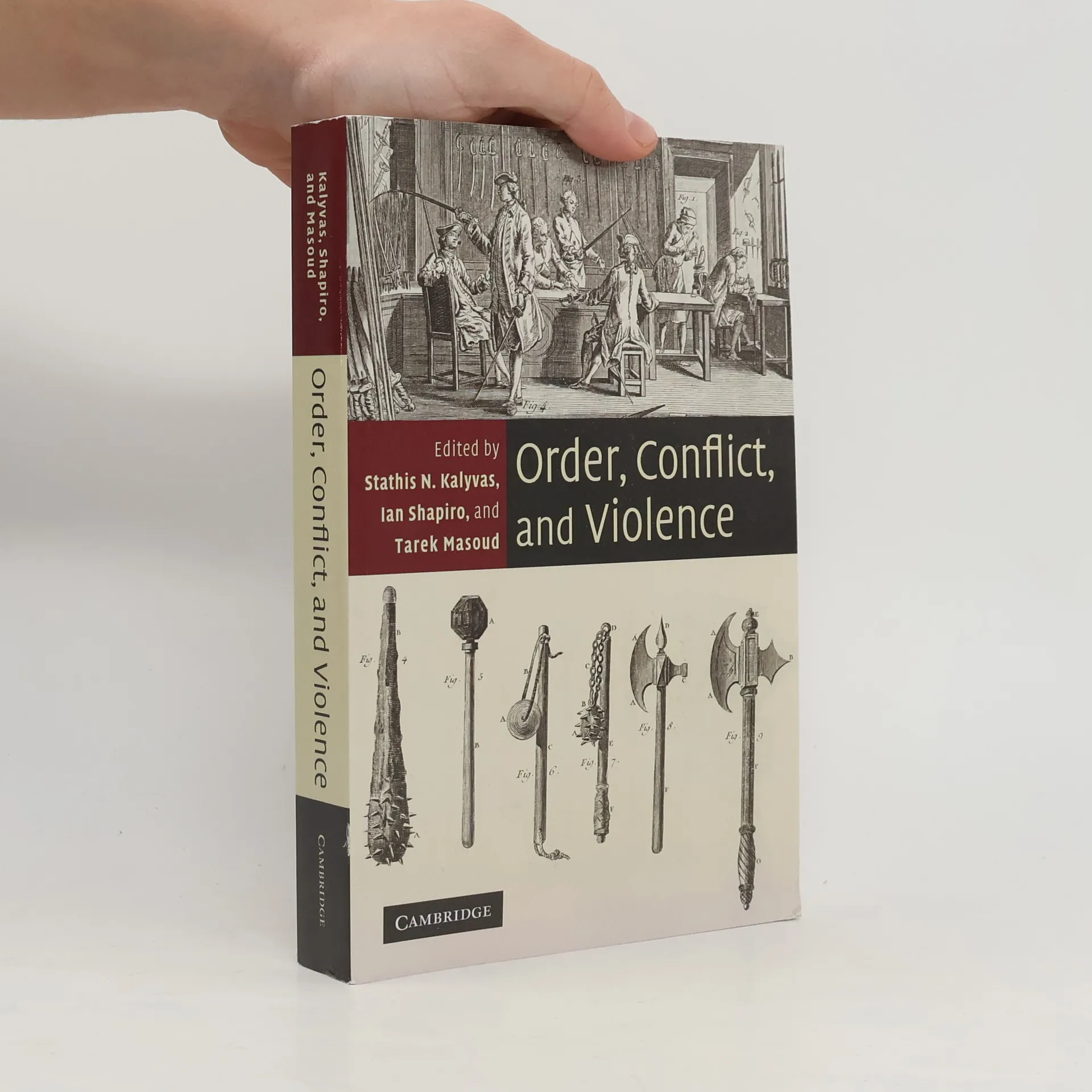

Viac o knihe
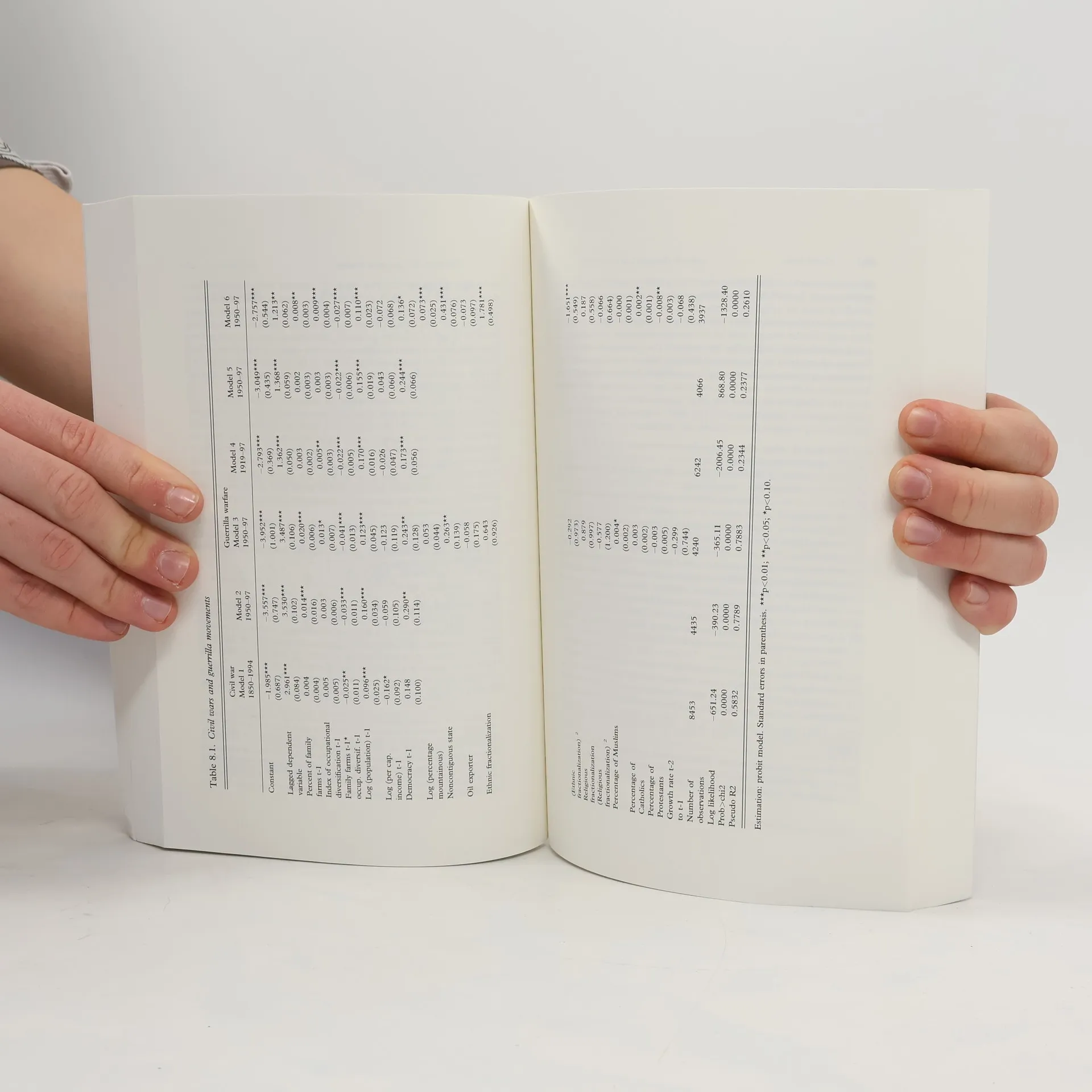
There might appear to be little that binds the study of order and the study of violence and conflict. Bloodshed in its multiple forms is often seen as something separate from and unrelated to the domains of 'normal' politics that constitute what we think of as order. But violence is used to create order, to maintain it, and to uphold it in the face of challenges. This volume demonstrates the myriad ways in which order and violence are inextricably intertwined. The chapters embrace such varied disciplines as political science, economics, history, sociology, philosophy, and law; employ different methodologies, from game theory to statistical modeling to in-depth historical narrative to anthropological ethnography; and focus on different units of analysis and levels of aggregation, from the state to the individual to the world system. All are essential reading for anyone who seeks to understand current trends in global conflict.
Nákup knihy
Order, Conflict, and Violence, Stathis Kalyvas, Ian Shapiro, Tarek Masoud
- Jazyk

- Rok vydania
- 2008
- Väzba
- (mäkká)
Tu nám chýba tvoja recenzia
- Titul
- Order, Conflict, and Violence
- Jazyk
- anglicky
- Autori
- Stathis Kalyvas, Ian Shapiro, Tarek Masoud
- Vydavateľ
- Cambridge University Press
- Rok vydania
- 2008
- Väzba
- mäkká
- Počet strán
- 452
- ISBN10
- 052172239X
- ISBN13
- 9780521722391
- Série
- Kategórie
- Štítky
- Historické téma, Politické teórie, Násilie
- Hodnotenie
- 4,25 z 5
- Anotácia
- There might appear to be little that binds the study of order and the study of violence and conflict. Bloodshed in its multiple forms is often seen as something separate from and unrelated to the domains of 'normal' politics that constitute what we think of as order. But violence is used to create order, to maintain it, and to uphold it in the face of challenges. This volume demonstrates the myriad ways in which order and violence are inextricably intertwined. The chapters embrace such varied disciplines as political science, economics, history, sociology, philosophy, and law; employ different methodologies, from game theory to statistical modeling to in-depth historical narrative to anthropological ethnography; and focus on different units of analysis and levels of aggregation, from the state to the individual to the world system. All are essential reading for anyone who seeks to understand current trends in global conflict.