

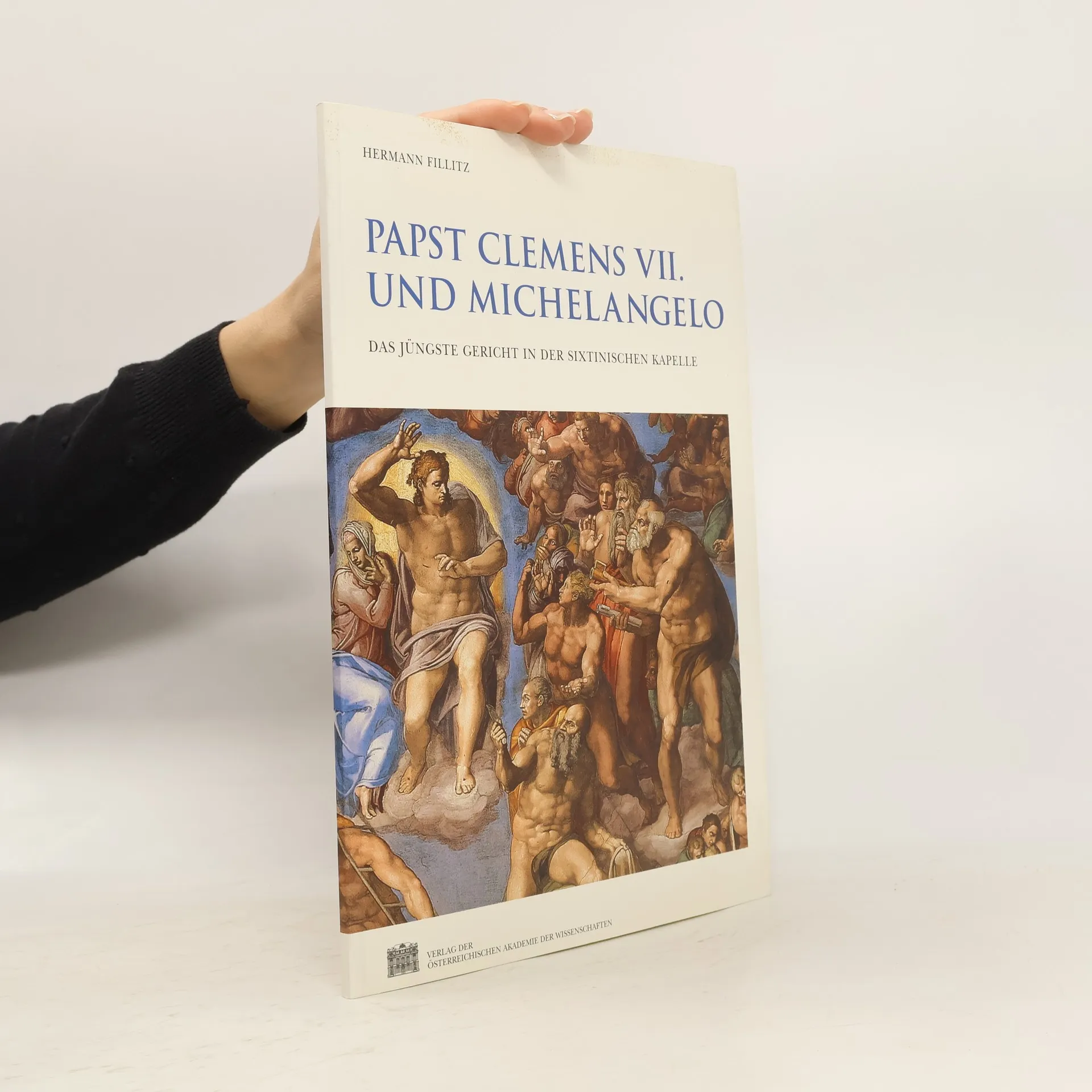
Veröffentlichungen der Kommission für Kunstgeschichte - 6: Papst Clemens VII. und Michelangelo
Das Jüngste Gericht in der Sixtinischen Kapelle
Autori
Viac o knihe
As few other works of art in European history, Michelangelo's Last Judgement in the Sistine Chapel of the Vatican has remained a challenge; from the very beginning it provoked manifold questions. Only a few years ago it was described as problematic in a publication of the Pontifical University Gregoriana, because according to Christian beliefs the end will be accompanied with divine mercy, whereas Michelangelo portrays a Judge who condemns the world. The fact that the worldly court usually finds its place at the entrance of the church and not at the alter also needs to be clarified. The question remains open, what the political or internal church reasons were that influenced Pope Clemens VII's decision to have the Last Judgement portrayed in this form and at this location.
Nákup knihy
Veröffentlichungen der Kommission für Kunstgeschichte - 6: Papst Clemens VII. und Michelangelo, Hermann Fillitz
- Jazyk

- Rok vydania
- 2005
- Väzba
- (mäkká)
Doručenie
Platobné metódy
Nikto zatiaľ neohodnotil.
- Titul
- Veröffentlichungen der Kommission für Kunstgeschichte - 6: Papst Clemens VII. und Michelangelo
- Podtitul
- Das Jüngste Gericht in der Sixtinischen Kapelle
- Jazyk
- nemecky
- Autori
- Hermann Fillitz
- Rok vydania
- 2005
- Väzba
- mäkká
- Počet strán
- 56
- ISBN10
- 3700134878
- ISBN13
- 9783700134879
- Série
- Štítky
- Umenie, Dejiny umenia, Rakúsko, Renesancia, Vatikán
- Anotácia
- As few other works of art in European history, Michelangelo's Last Judgement in the Sistine Chapel of the Vatican has remained a challenge; from the very beginning it provoked manifold questions. Only a few years ago it was described as problematic in a publication of the Pontifical University Gregoriana, because according to Christian beliefs the end will be accompanied with divine mercy, whereas Michelangelo portrays a Judge who condemns the world. The fact that the worldly court usually finds its place at the entrance of the church and not at the alter also needs to be clarified. The question remains open, what the political or internal church reasons were that influenced Pope Clemens VII's decision to have the Last Judgement portrayed in this form and at this location.