

Kunst und Plattenbausiedlungen in Wien
Autori
Viac o knihe
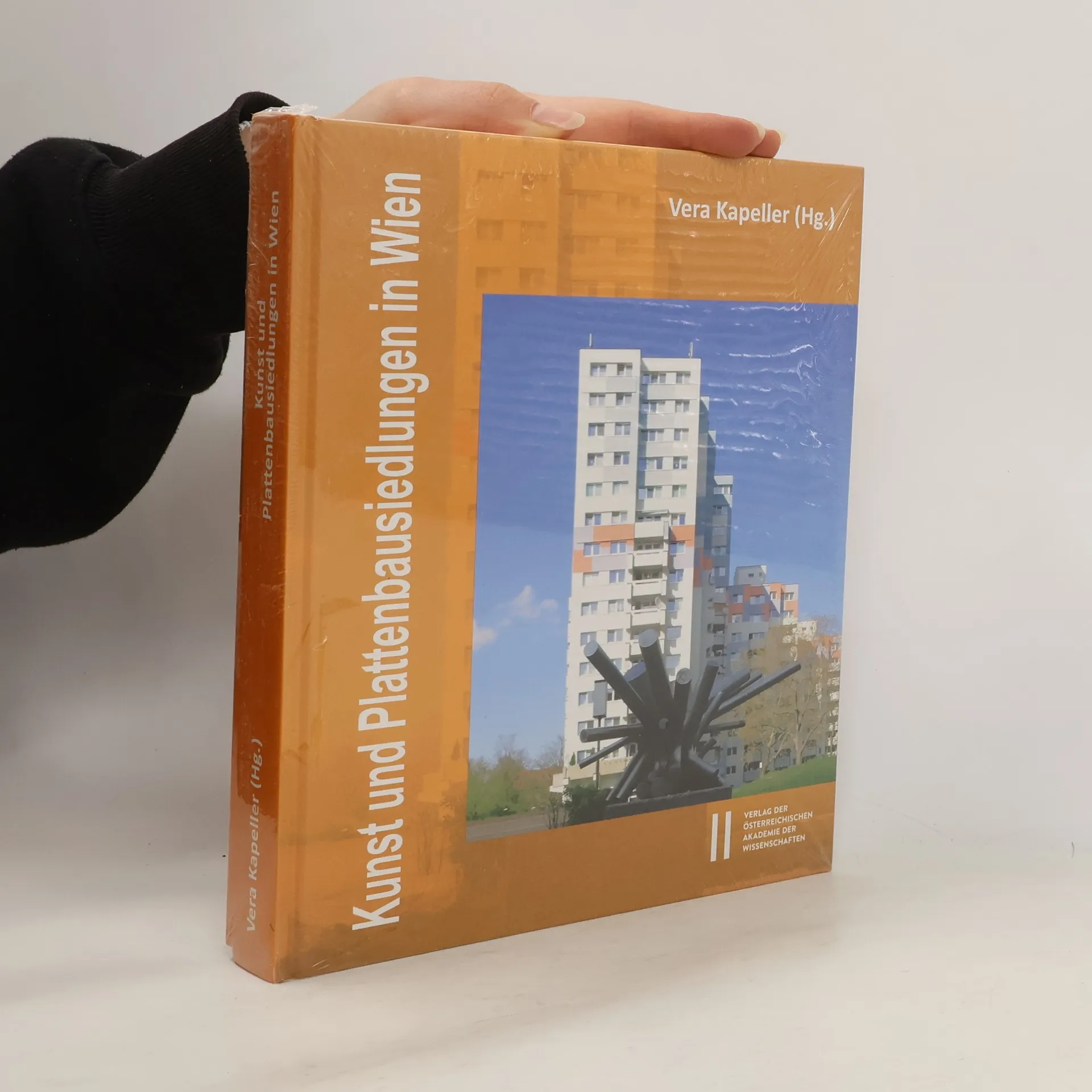
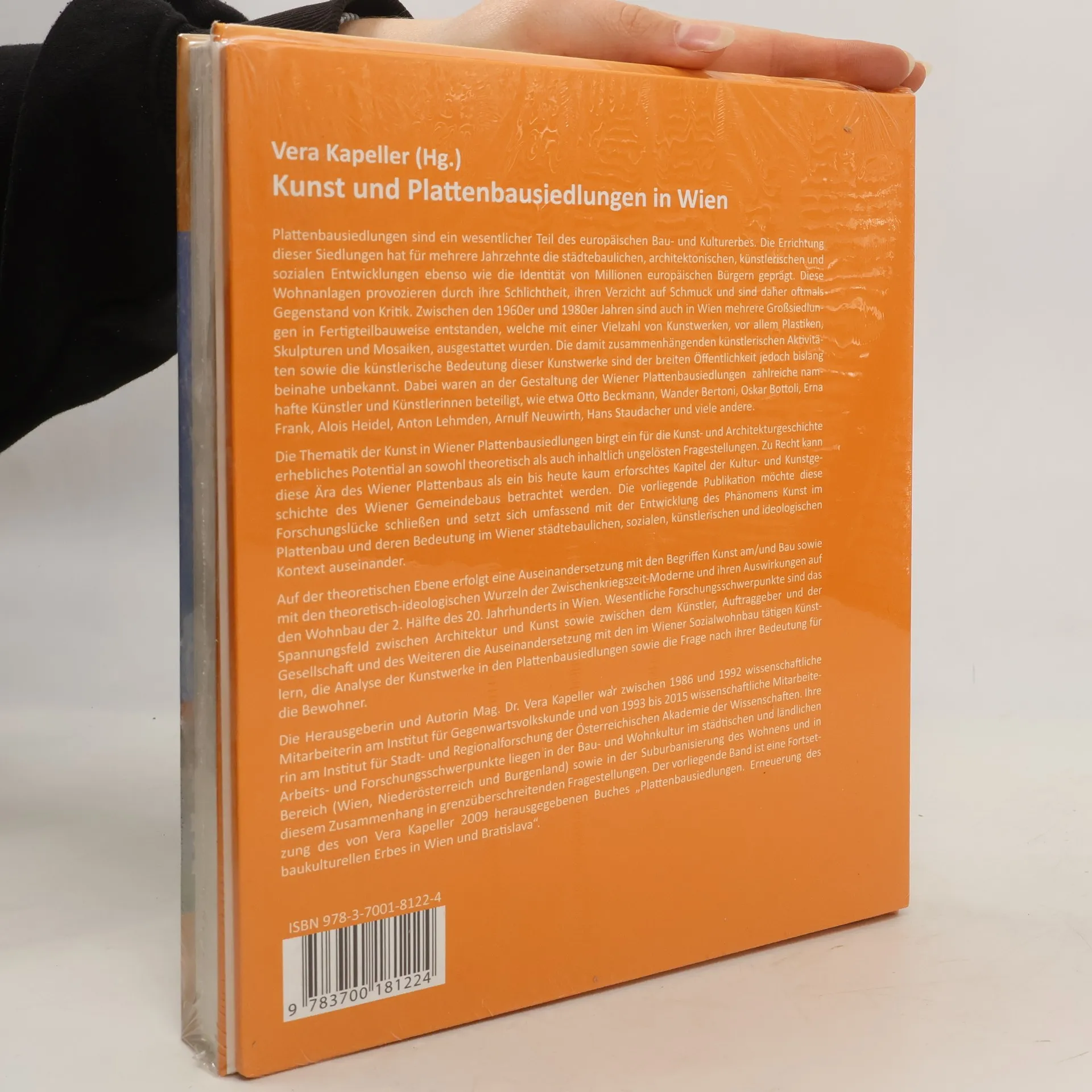
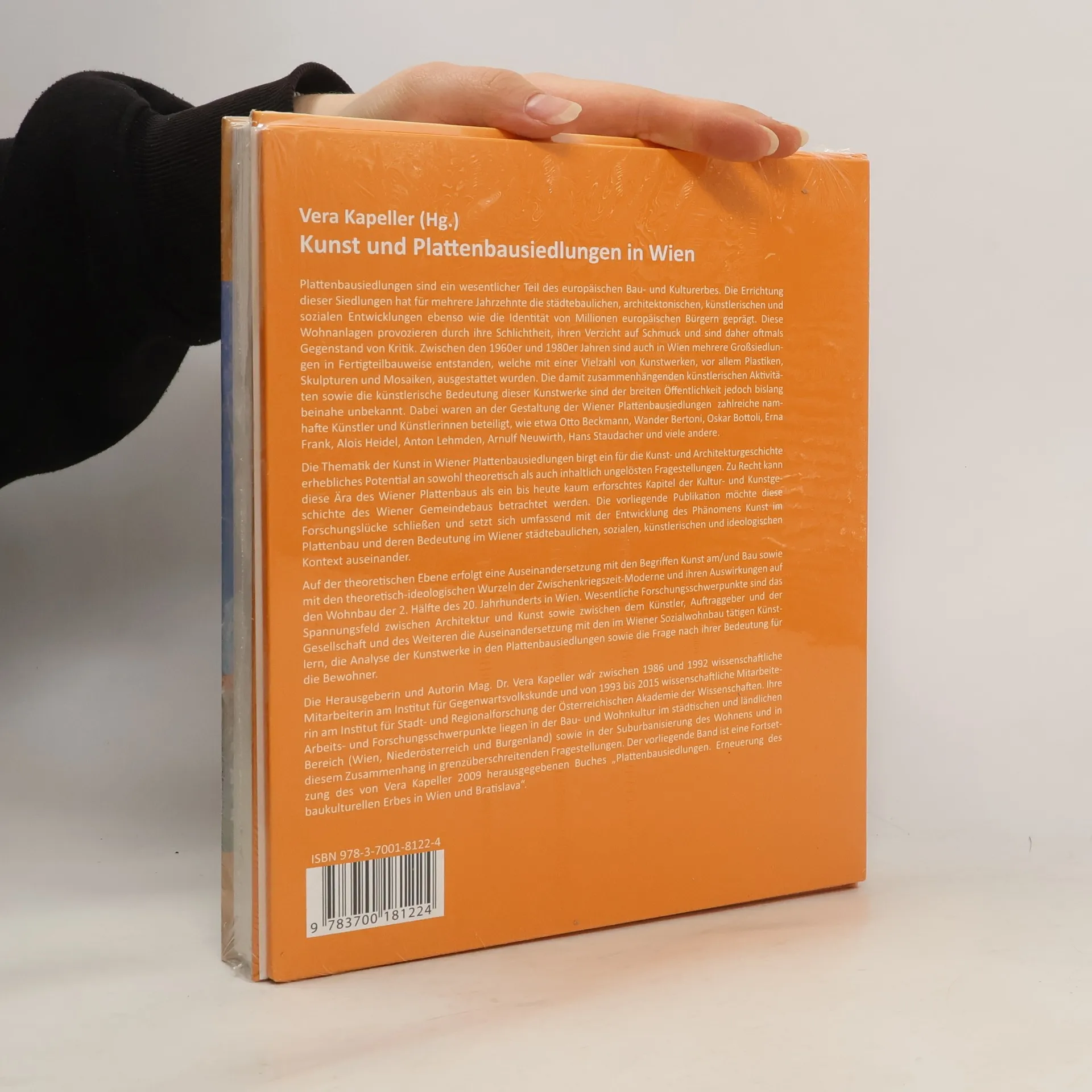
Prefabricated housing estates are a vital part of Europe’s architectural and cultural heritage, introducing a new philosophy of urban and housing development. The connection between architecture and art in these residential estates, particularly in Vienna's prefabricated housing built in the late 20th century, has not been a focal point in architectural discourse. From the 1960s to the 1980s, Vienna saw the emergence of several large prefabricated housing estates, many adorned with various artworks. These artistic interventions included mural art on building facades and free-standing sculptures and fountains, with particular attention given to children's playground designs. Renowned Austrian artists such as Otto Beckmann, Wander Bertoni, and Erna Frank contributed to these estates. The relationship between art and architecture in these settings raises numerous unresolved questions in both theory and practice. This publication seeks to reassess this relationship within a broader context of urbanistic, social, artistic, and ideological issues. It explores theoretical questions about public art, the influence of the Athens Charter on post-war housing construction, and the role of the city of Vienna as a patron. It also examines commissioned artworks, artists' ambitions, themes, techniques, materials, and the residents’ reception of art within their architectural environment.
Nákup knihy
Kunst und Plattenbausiedlungen in Wien, Vera Kapeller
- Jazyk

- Rok vydania
- 2017
- Väzba
- (pevná)
Doručenie
Platobné metódy
Nikto zatiaľ neohodnotil.
- Titul
- Kunst und Plattenbausiedlungen in Wien
- Jazyk
- nemecky
- Autori
- Vera Kapeller
- Rok vydania
- 2017
- Väzba
- pevná
- Počet strán
- 309
- ISBN10
- 3700181221
- ISBN13
- 9783700181224
- Série
- Štítky
- Umenie, Architektúra, Rakúsko, Viedeň, Dejiny architektúry, Osady
- Anotácia
- Prefabricated housing estates are a vital part of Europe’s architectural and cultural heritage, introducing a new philosophy of urban and housing development. The connection between architecture and art in these residential estates, particularly in Vienna's prefabricated housing built in the late 20th century, has not been a focal point in architectural discourse. From the 1960s to the 1980s, Vienna saw the emergence of several large prefabricated housing estates, many adorned with various artworks. These artistic interventions included mural art on building facades and free-standing sculptures and fountains, with particular attention given to children's playground designs. Renowned Austrian artists such as Otto Beckmann, Wander Bertoni, and Erna Frank contributed to these estates. The relationship between art and architecture in these settings raises numerous unresolved questions in both theory and practice. This publication seeks to reassess this relationship within a broader context of urbanistic, social, artistic, and ideological issues. It explores theoretical questions about public art, the influence of the Athens Charter on post-war housing construction, and the role of the city of Vienna as a patron. It also examines commissioned artworks, artists' ambitions, themes, techniques, materials, and the residents’ reception of art within their architectural environment.