

Parametre
- 228 stránok
- 8 hodin čítania
Viac o knihe
This new study questions whether peacekeeping fundamentally changed between the Cold War and Post-Cold War periods. Focusing on contrasting case studies of the Congo, Cyprus, Somalia and Angola, as well as more recent operations in Sierra Leone and East Timor, it probes new evidence with clarity and rigour. The authors conclude that most peacekeeping operations - whether in the Cold War or Post-Cold War periods - were flawed due to the failure of the UN member states to agree upon achievable objectives, the precise nature of the operations and provision of the necessary resources, and unrealistic post-1989 expectations that UN peacekeeping operations could be adapted to the changed international circumstances. The study concludes by looking at the Brahimi reforms, questions whether these are realistically achievable and looks at their impact on contemporary peace operations in Sierra Leone, East Timor and elsewhere.
Nákup knihy
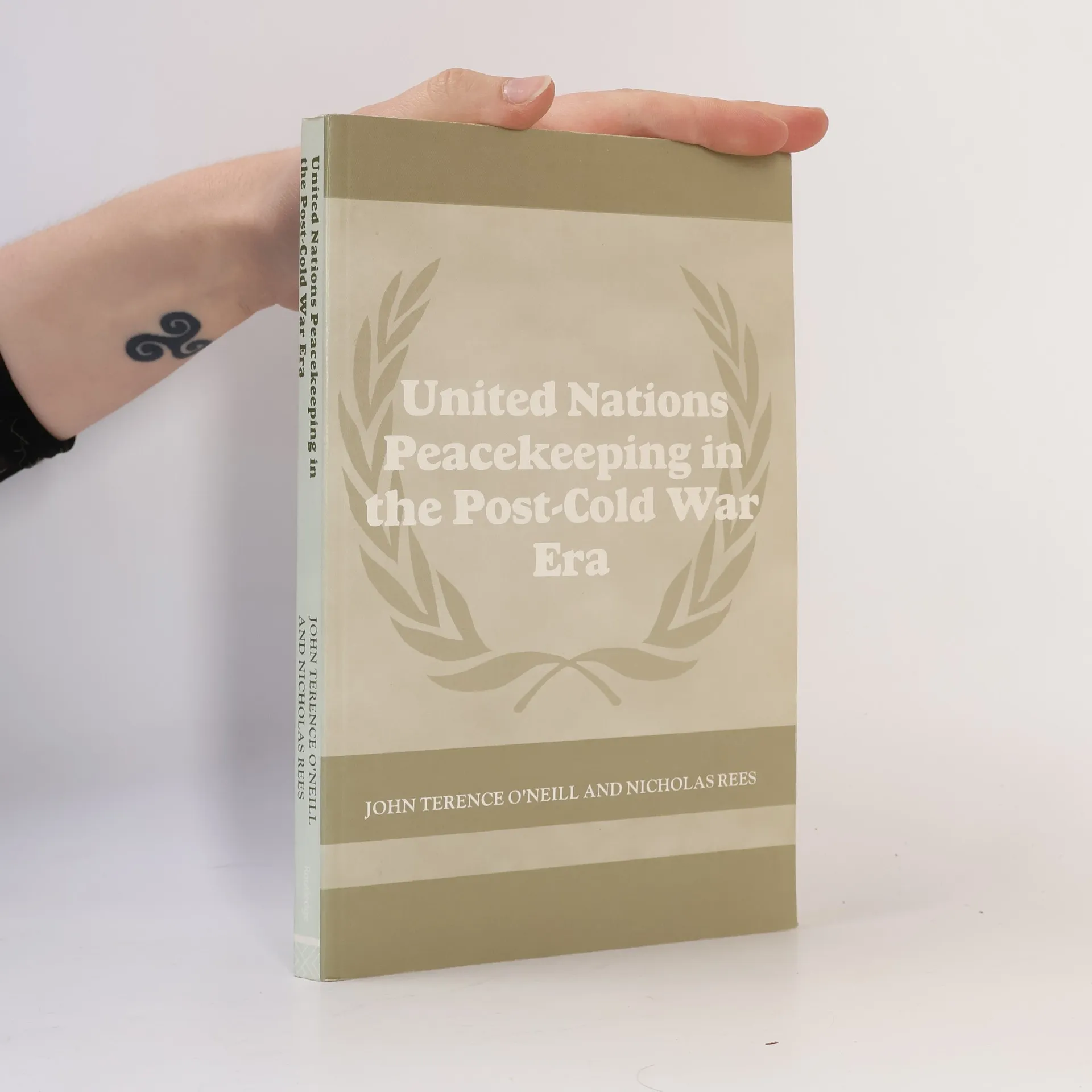
United Nations Peacekeeping in the Post-Cold War Era, John Terence O'Neill, Nicholas Rees
- Jazyk

- Rok vydania
- 2005
- Väzba
- (mäkká)
Doručenie
Platobné metódy
Nikto zatiaľ neohodnotil.
- Titul
- United Nations Peacekeeping in the Post-Cold War Era
- Jazyk
- anglicky
- Vydavateľ
- Routledge
- Rok vydania
- 2005
- Väzba
- mäkká
- Počet strán
- 228
- ISBN10
- 0714684899
- ISBN13
- 9780714684895
- Série
- Kategórie
- Anotácia
- This new study questions whether peacekeeping fundamentally changed between the Cold War and Post-Cold War periods. Focusing on contrasting case studies of the Congo, Cyprus, Somalia and Angola, as well as more recent operations in Sierra Leone and East Timor, it probes new evidence with clarity and rigour. The authors conclude that most peacekeeping operations - whether in the Cold War or Post-Cold War periods - were flawed due to the failure of the UN member states to agree upon achievable objectives, the precise nature of the operations and provision of the necessary resources, and unrealistic post-1989 expectations that UN peacekeeping operations could be adapted to the changed international circumstances. The study concludes by looking at the Brahimi reforms, questions whether these are realistically achievable and looks at their impact on contemporary peace operations in Sierra Leone, East Timor and elsewhere.