

Viac o knihe
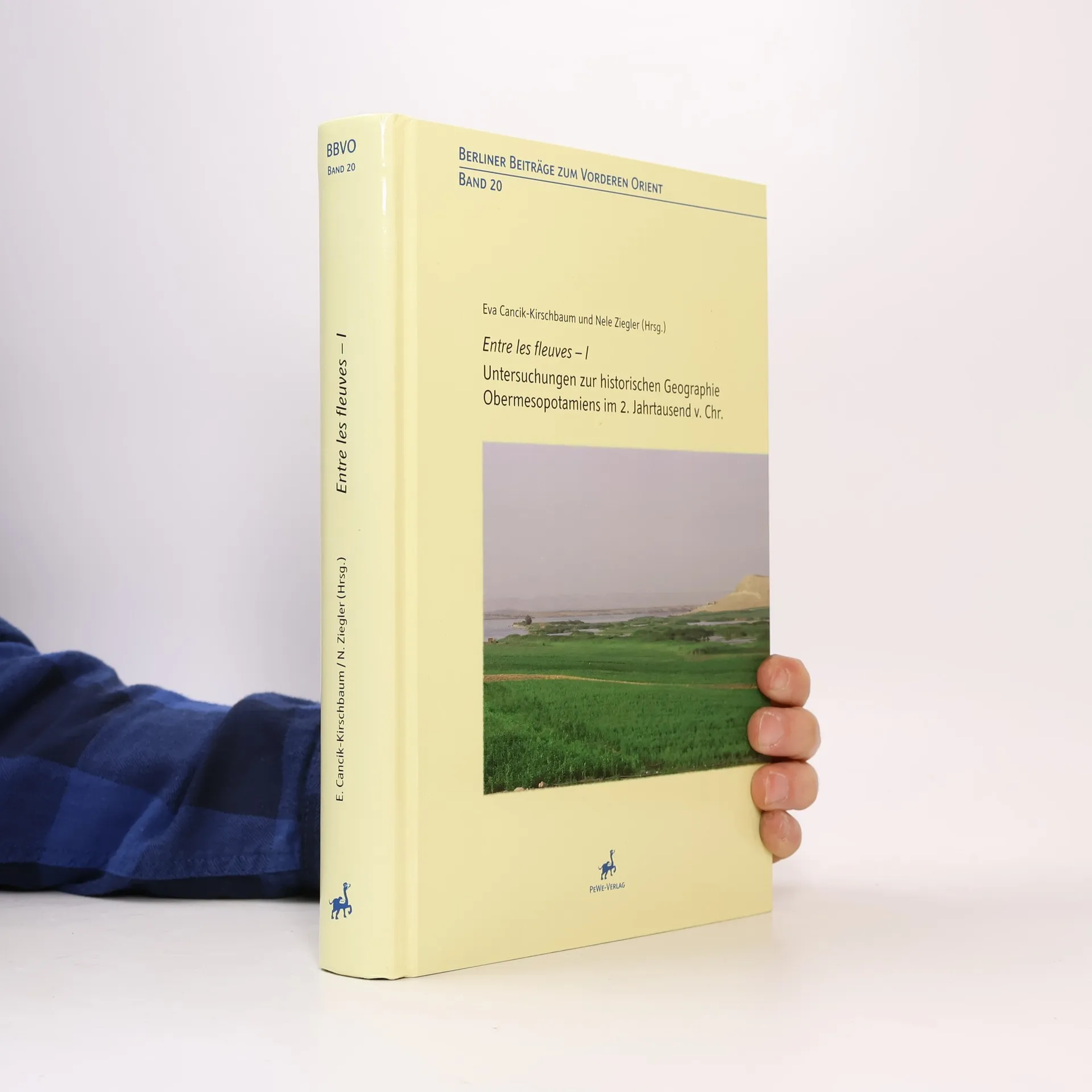
The archaeological, philological and historic-systematical contributions in this volume are concerned with the cultural history of Upper Mesopotamia in the 2nd millennium BC; the focus is on questions of historical geography. The case studies analyse typical spatial structures such as the Khabur region as an area for settlement and for traffic. The contributions also take up the problems connected with the various sources, their kinds of information and the conditions accompanying the methodical access. It becomes obvious that, beyond questions of localisation and identification, historical geography must aim at a description of space as the primary condition of culture - making use of textual sources, archaeological findings and, more than ever, taking into account the possibilities of the reconstruction of environment and landscape.
Nákup knihy
Berliner Beiträge zum Vorderen Orient - 20: Entre les fleuves, Eva Christiane Cancik Kirschbaum, Nele Ziegler
- Jazyk

- Rok vydania
- 2009
- Väzba
- (pevná)
Nikto zatiaľ neohodnotil.
- Titul
- Berliner Beiträge zum Vorderen Orient - 20: Entre les fleuves
- Jazyk
- nemecky
- Vydavateľ
- PeWe-Verlag
- Rok vydania
- 2009
- Väzba
- pevná
- Počet strán
- 388
- ISBN10
- 3935012047
- ISBN13
- 9783935012041
- Série
- Anotácia
- The archaeological, philological and historic-systematical contributions in this volume are concerned with the cultural history of Upper Mesopotamia in the 2nd millennium BC; the focus is on questions of historical geography. The case studies analyse typical spatial structures such as the Khabur region as an area for settlement and for traffic. The contributions also take up the problems connected with the various sources, their kinds of information and the conditions accompanying the methodical access. It becomes obvious that, beyond questions of localisation and identification, historical geography must aim at a description of space as the primary condition of culture - making use of textual sources, archaeological findings and, more than ever, taking into account the possibilities of the reconstruction of environment and landscape.