


Viac o knihe
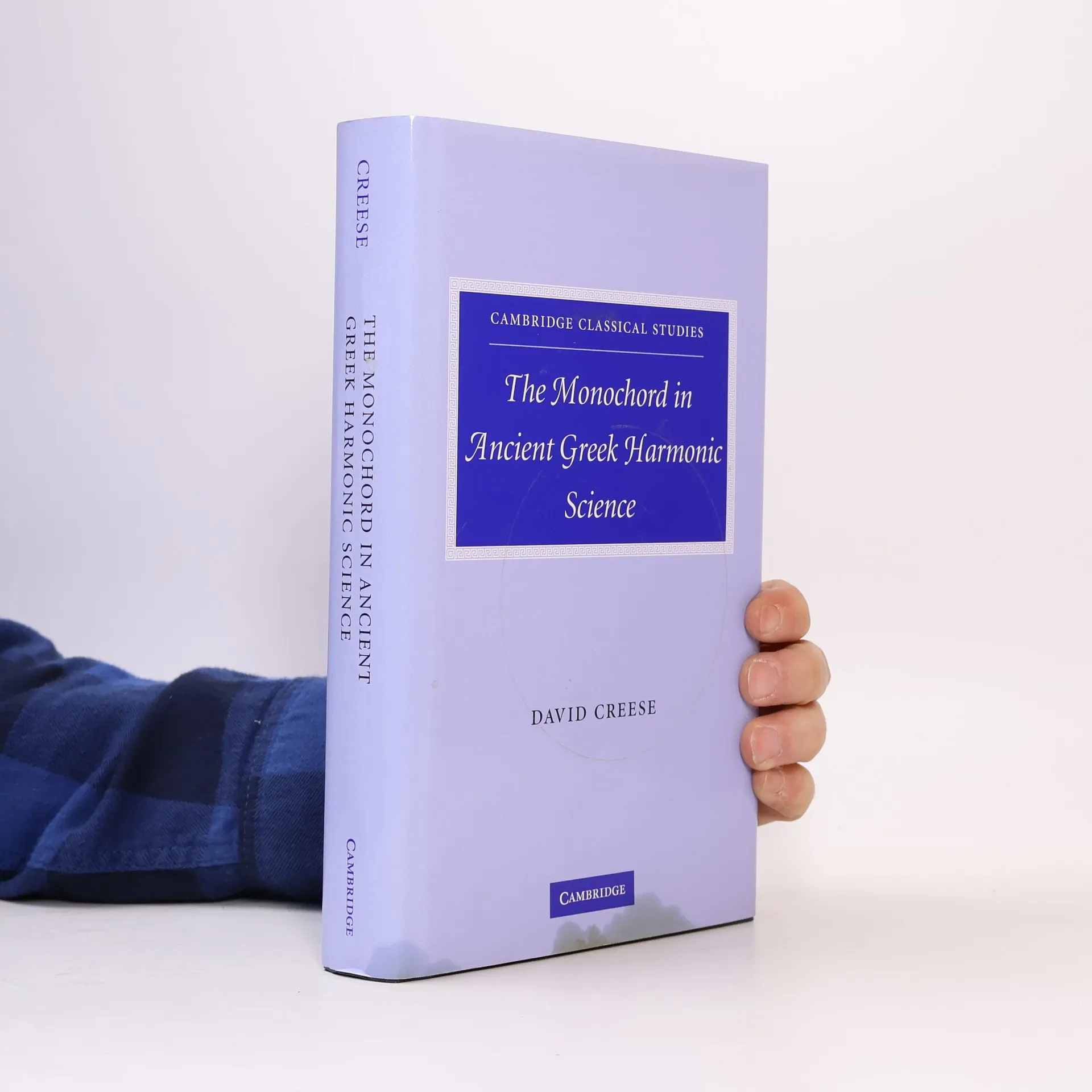
Among the many instruments devised by students of mathematical sciences in ancient Greece, the monochord provides one of the best opportunities to examine the methodologies of those who employed it in their investigations. Consisting of a single string which could be divided at measured points by means of movable bridges, it was used to demonstrate theorems about the arithmetical relationships between pitched sounds in music. This book traces the history of the monochord and its multiple uses down to Ptolemy, bringing together all the relevant evidence in one comprehensive study. By comparing the monochord with a number of other ancient scientific instruments and their uses, David Creese shows how the investigation of music in ancient Greece not only shares in the patterns of demonstrative and argumentative instrument use common to other sciences, but also goes beyond them in offering the possibility of a rigorous empiricism unparalleled in Greek science.
Nákup knihy
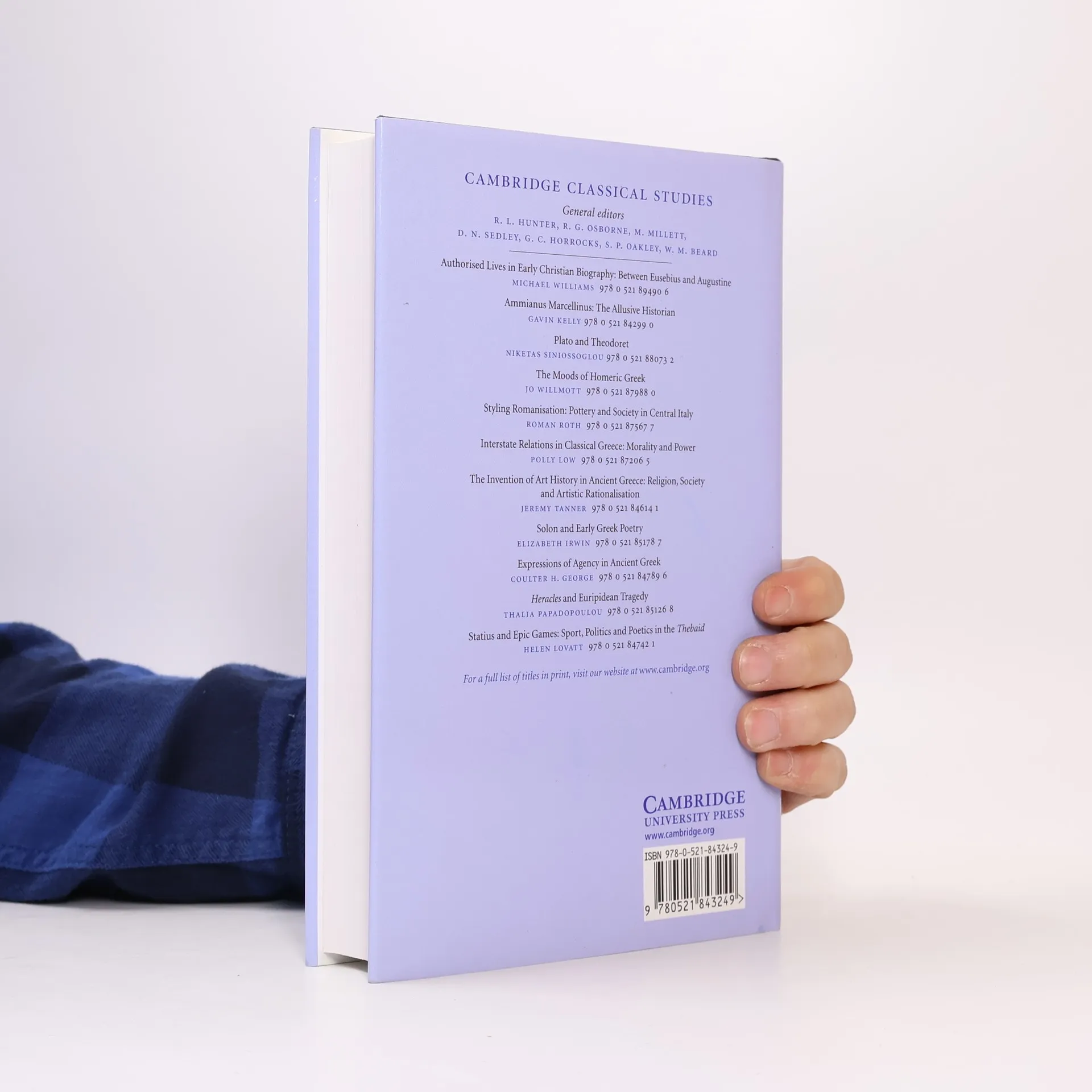
The Monochord in Ancient Greek Harmonic Science, David E. Creese
- Jazyk

- Rok vydania
- 2009
- Väzba
- (pevná)
Tu nám chýba tvoja recenzia
- Titul
- The Monochord in Ancient Greek Harmonic Science
- Jazyk
- anglicky
- Autori
- David E. Creese
- Vydavateľ
- Cambridge University Press
- Rok vydania
- 2009
- Väzba
- pevná
- Počet strán
- 426
- ISBN10
- 0521843243
- ISBN13
- 9780521843249
- Série
- Kategórie
- Štítky
- Historické téma
- Hodnotenie
- 4 z 5
- Anotácia
- Among the many instruments devised by students of mathematical sciences in ancient Greece, the monochord provides one of the best opportunities to examine the methodologies of those who employed it in their investigations. Consisting of a single string which could be divided at measured points by means of movable bridges, it was used to demonstrate theorems about the arithmetical relationships between pitched sounds in music. This book traces the history of the monochord and its multiple uses down to Ptolemy, bringing together all the relevant evidence in one comprehensive study. By comparing the monochord with a number of other ancient scientific instruments and their uses, David Creese shows how the investigation of music in ancient Greece not only shares in the patterns of demonstrative and argumentative instrument use common to other sciences, but also goes beyond them in offering the possibility of a rigorous empiricism unparalleled in Greek science.