

Viac o knihe
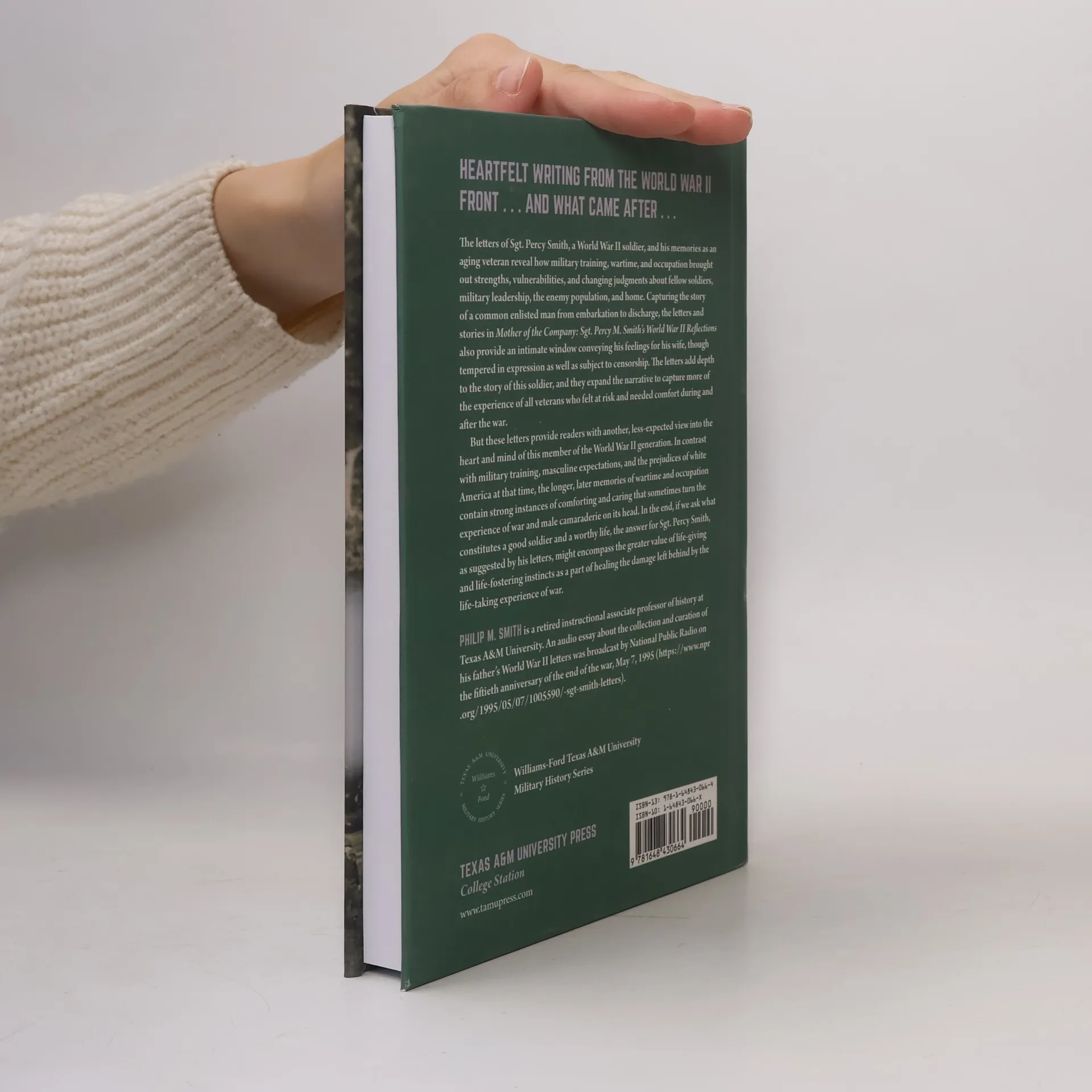
The letters of Sgt. Percy Smith, a World War II soldier, alongside his reflections as an aging veteran, reveal how military training and wartime experiences shaped his strengths, vulnerabilities, and evolving views on fellow soldiers, leadership, the enemy, and home. These letters chronicle the journey of a common enlisted man from embarkation to discharge, offering an intimate glimpse into his feelings for his wife, albeit tempered by censorship. They enrich the narrative of his experience and resonate with the sentiments of all veterans who sought comfort during and after the war. Surprisingly, they also provide insight into the heart and mind of a member of the World War II generation. In contrast to the military's masculine expectations and the prejudices of the time, Smith's later memories highlight moments of compassion and care that challenge traditional notions of male camaraderie in wartime. Ultimately, his letters suggest that the essence of being a good soldier, surviving, and leading a worthy life may lie in life-giving and nurturing instincts, serving as a means to heal the scars left by the destructive nature of war.
Nákup knihy
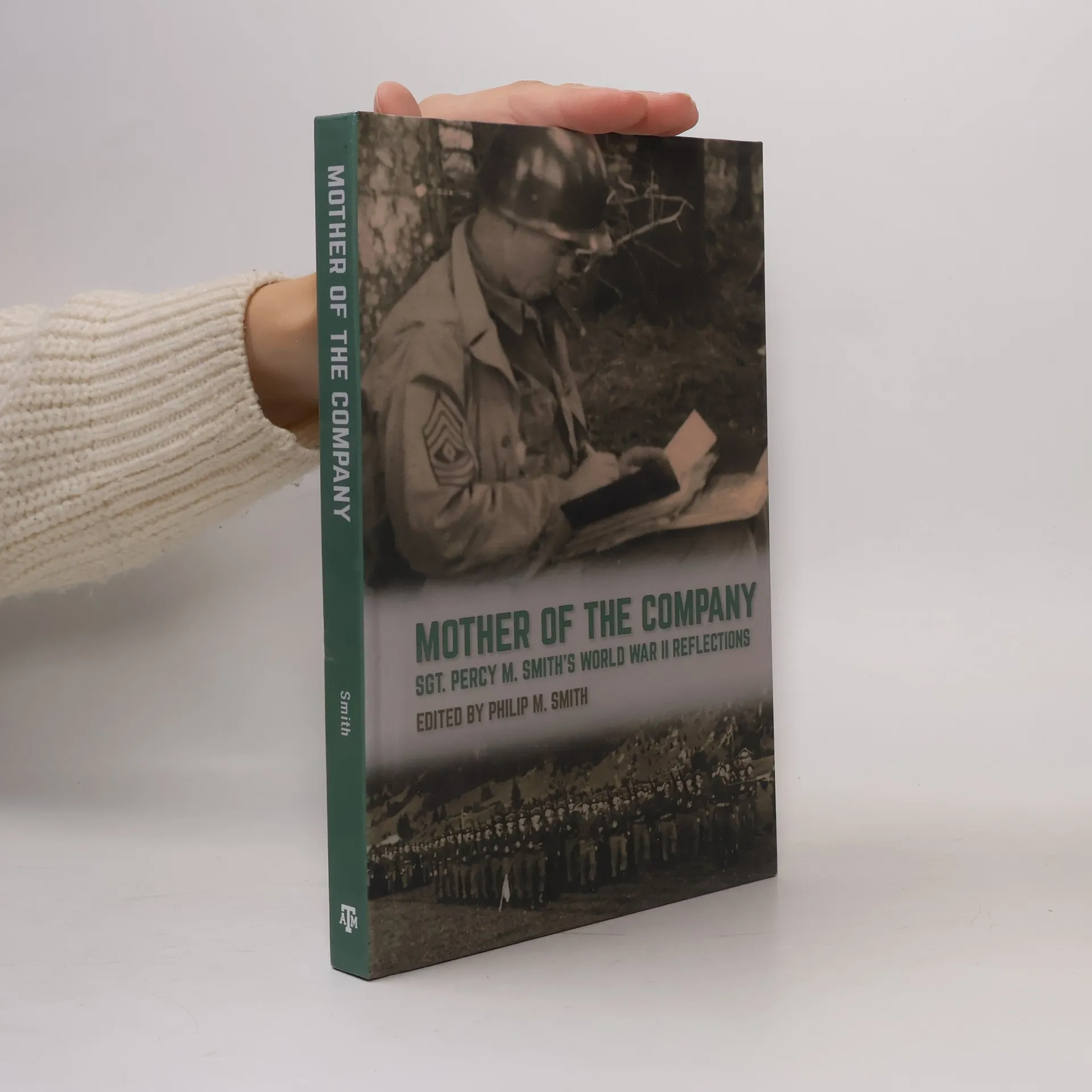
Mother of the Company, Percy M. Smith, Philip M. Smith
- Jazyk

- Rok vydania
- 2022
- Väzba
- (pevná),
- Stav knihy
- Dobrá
- Cena
- 3,69 €
Doručenie
Platobné metódy
Nikto zatiaľ neohodnotil.
- Titul
- Mother of the Company
- Podtitul
- Sgt. Percy M. Smith's World War II Reflections
- Jazyk
- anglicky
- Autori
- Percy M. Smith, Philip M. Smith
- Vydavateľ
- Texas A&M University Press
- Rok vydania
- 2022
- Väzba
- pevná
- Počet strán
- 272
- ISBN10
- 164843066X
- ISBN13
- 9781648430664
- Série
- Anotácia
- The letters of Sgt. Percy Smith, a World War II soldier, alongside his reflections as an aging veteran, reveal how military training and wartime experiences shaped his strengths, vulnerabilities, and evolving views on fellow soldiers, leadership, the enemy, and home. These letters chronicle the journey of a common enlisted man from embarkation to discharge, offering an intimate glimpse into his feelings for his wife, albeit tempered by censorship. They enrich the narrative of his experience and resonate with the sentiments of all veterans who sought comfort during and after the war. Surprisingly, they also provide insight into the heart and mind of a member of the World War II generation. In contrast to the military's masculine expectations and the prejudices of the time, Smith's later memories highlight moments of compassion and care that challenge traditional notions of male camaraderie in wartime. Ultimately, his letters suggest that the essence of being a good soldier, surviving, and leading a worthy life may lie in life-giving and nurturing instincts, serving as a means to heal the scars left by the destructive nature of war.